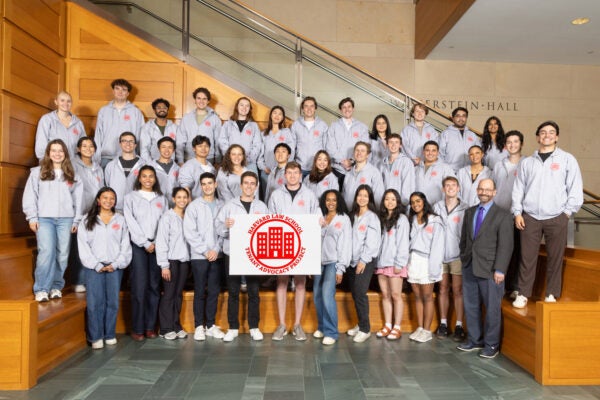
Providing vital legal assistance to low-income tenants facing housing insecurity, the Tenant Advocacy Project (TAP) relies on the passion and commitment of Harvard Law School students. Led by Gary Allen, a clinical instructor with deep experience as a housing justice attorney, TAP offers a unique opportunity for students to dive into client-facing work, even appearing at hearings starting in their 1L year, and develop essential and transferable legal skills. In this interview, Allen shares his journey to TAP, TAP’s longstanding and newly expanded practice areas, and the remarkable work students undertake while navigating the complexities of housing law and advocating for their clients’ rights.
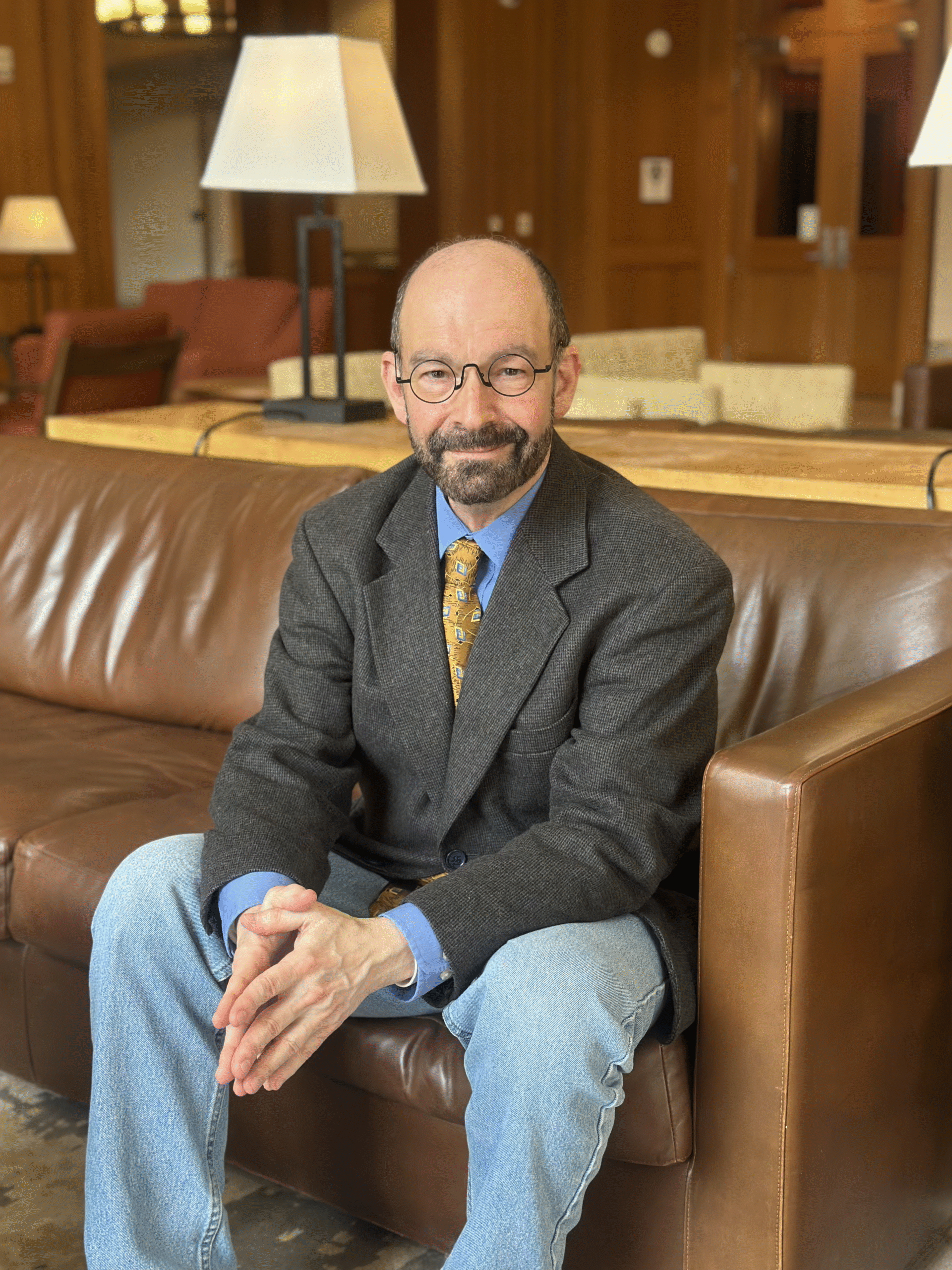
Office of Clinical and Pro Bono Programs (OCP): Could you please walk us through your legal career so far and how it led you to TAP?
Gary Allen: I have been in law practice for coming up on 16 years now. About six years after I started practicing law, another law school asked me if I could help supervise students during the summer. I loved it. After that experience, I became a clinical instructor at Harvard Law School in 2019, spending a summer supervising students in the Harvard Legal Aid Bureau. When I finished that summer, I started working at the Legal Services Center (LSC) in the Housing Law Clinic while a clinical instructor was on leave. During the pandemic, I worked with another law school, and I came back to Harvard as the TAP clinical instructor in 2021.
OCP: When you arrived at TAP, what were your priorities? What initiatives have you begun or expanded within the organization?
Allen: When I got to TAP, we were just coming out of the COVID lockdown. Luckily, there were a lot of really committed students, and because it is a student-governed organization, the students drove the TAP vision and agenda. What I saw was jaw-droppingly inspirational. To have so many students in TAP, managing student governance and case management on top of their coursework and extracurricular activities, was amazing.
My priority is making sure the TAP students are engaged, that they get great opportunities to do good work, and that they develop skills they can take to whatever area of practice they want after they finish law school. For four decades, our core work has consisted of representation at administrative hearings, which still makes up about half of our caseload. TAP Students represent tenants facing termination of housing subsidies or applicants denied benefits, appearing before hearing officers to argue for their clients’ benefits to be reinstated. We’ve had some really good results and very few disappointments.
After my first year, I started thinking about what kinds of things TAP wanted to accomplish and what other ways to engage students and the community. In a novel achievement for TAP, we had our first small claims pilot case go to court in 2024. That was a big deal, because typically law students don’t have a pathway into the courthouse practice until their second year. Two students worked on the case on a compressed schedule of about three weeks, and we prepared them for trial. Then we went to court, and we were able to get a settlement for the clients. It’s definitely something that students want to continue to do.
Since then, TAP has expanded into our second practice area: security deposit recovery. We help tenants whose landlords haven’t returned security deposits consistent with their obligations under the law. Already, TAP students have completed two successful cases this year and are working on a third.
The timeline for these cases is considerably longer than other TAP work: four to six months from filing to hearing. In response, TAP has started helping clients negotiate with landlords before filing lawsuits, hoping to shorten the process for both tenants and students.
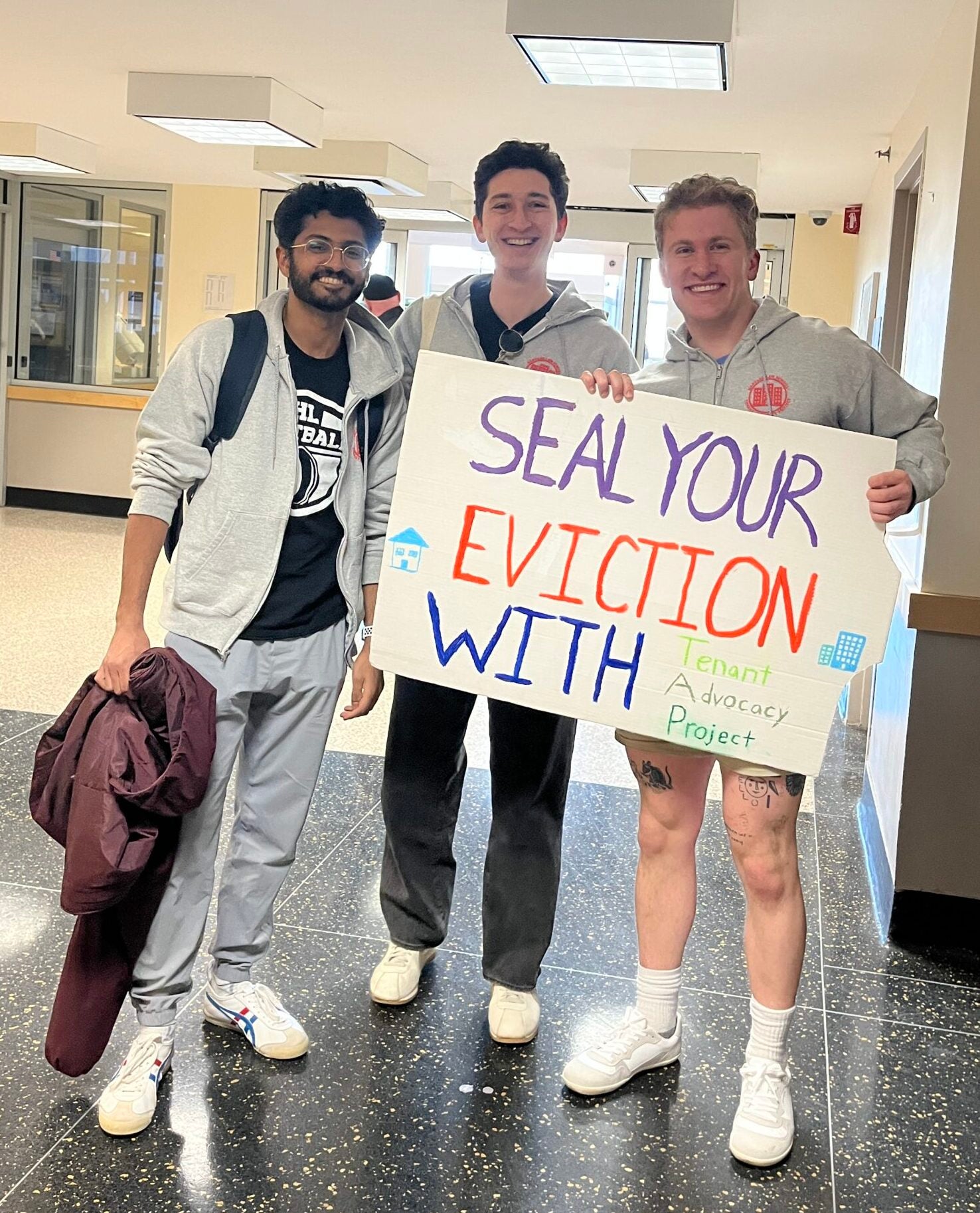
Finally, TAP has also expanded into eviction record sealing, after the passage of a landmark housing bill in Massachusetts that allowed for the eviction records to be sealed. Before the statute took effect, TAP helped create statewide outreach materials and launched an FAQ with the Massachusetts Law Reform Institute. Since its implementation, we’ve filed numerous petitions, primarily through outreach at homeless shelters.
So far, most petitions have been getting sealed. It’s a really good introduction to housing practice for the students, because the law is relatively clear and the students have to do analysis in each separate case to determine what basis the eligibility is for sealing the eviction records. It also gives our students a chance to engage in live-client practice. Our clients sometimes find us by contacting our office, but we also do off-site events and provide services at homeless shelters and other venues where we can reach people who may not otherwise have access to legal services.
OCP: Since TAP is a student practice organization, students can have varying levels of involvement. Can you give an overview of the different kinds of work that most TAP students are involved in?
Allen: Most TAP students are participating in day-to-day operations. This could mean taking inbound phone calls, evaluating tenants’ concerns, and figuring out if we are the right resource to help them or if we can help them access the resources they need. We also have a policy and outreach arm, so students can calibrate their own level of interest with available opportunities. Every student is also expected to take on a case with a deeper level of commitment. A committee of students, which 1Ls participate on alongside 2Ls and 3Ls, decides which cases we’re going to offer law firm-level representation on, and then we assign those out to the students. Almost all students in their first year are assigned both a case and do intakes.
Student interest in the new practice areas, such as eviction record sealing and security deposit cases has been substantial. The practice area expansion has created more scheduling flexibility for students with varying commitments outside of TAP. With administrative hearings, you have to show up at a hearing when you’re scheduled to show up at a hearing, but security deposit negotiations and eviction sealing work offer more flexibility over timing.
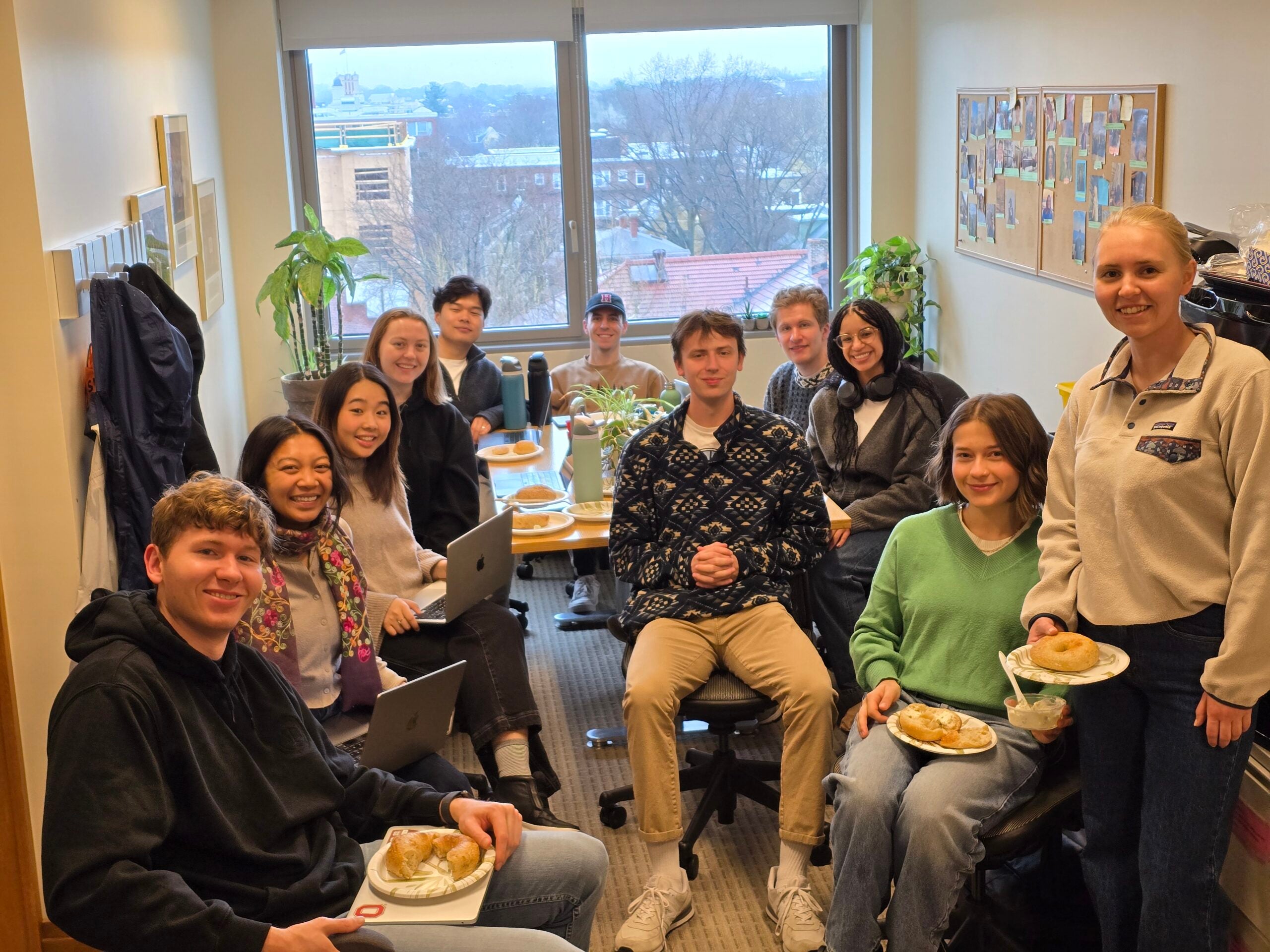
Students in the upper years often take leadership roles—they’re team leaders or sit on the intake review committee, which does a lot of deliberation about clients whose cases may get full representation from us. We also have a policy and outreach arm that works on policy issues and produces special events. After students get past the basics and learn how to assess cases, they can choose what level and type of work that they want to do within the organization.
OCP: What sorts of legal skills are students getting to practice at TAP?
Allen: During TAP’s onboarding every year, I give a “drinking from the firehose” speech. There is no way to practice law in a vacuum. If you’re going to work with clients with real problems, you have to tee up a number of skills really quickly. You have to learn how to talk to clients who may come from communities that are very different than yours. You have to start understanding what laws and other authorities apply—you sometimes have law, sometimes regulation, sometimes policy, sometimes contractual requirements. And that doesn’t even include things like business writing, legal writing, and professional conduct. All are integrated into the way we operate; you just cannot do one without the others. That’s a lot of learning for somebody who arrived at law school two or three weeks ago. But our students get through it, and 1Ls are regularly doing hearings, sometimes in their very first semester. It’s inspirational to see how the students are willing to dive in and swim as hard as they can to make sure that they take care of clients.
OCP: What do you want students to keep in mind as they build relationships with clients during their direct representation work?
Allen: Every case is different, even if the law is the same. We have to make sure that the students get a lot of good training up front to triage the cases, to identify what the biggest risk to somebody’s housing situation might be. There’s always a balance, because most of our clients have problems that go beyond just their housing issues. Some of our cases are connected to domestic violence, and there may be other monetary issues that come into play. Sometimes family members reside in their unit who are not on a lease, and that can lead to termination or other kinds of housing instability. But you’ve got to balance all of that with the fact that people value their family relationships, and we don’t want to tell people that family relationships aren’t important. So, it’s always a balancing act. We start with housing stability and work backwards from there.
OCP: How do you see TAP as a part of the greater Boston community? Can you talk about TAP’s collaborations with partner organizations, both at HLS and outside of it?
Allen: This is one of the best parts of the job, partnering with other HLS programs as well as community organizations to accomplish our mission. A few years ago, we wrote a policy brief in conjunction with an outside partner advocating for how housing authorities should evaluate applications from people returning from the justice system and who need housing. Often, they’re denied vouchers because of past criminal history. We wrote a policy brief that was distributed to public housing authorities. We were urging housing authorities to implement important policy changes to make housing accessible to people who were involved with the justice system in the past.
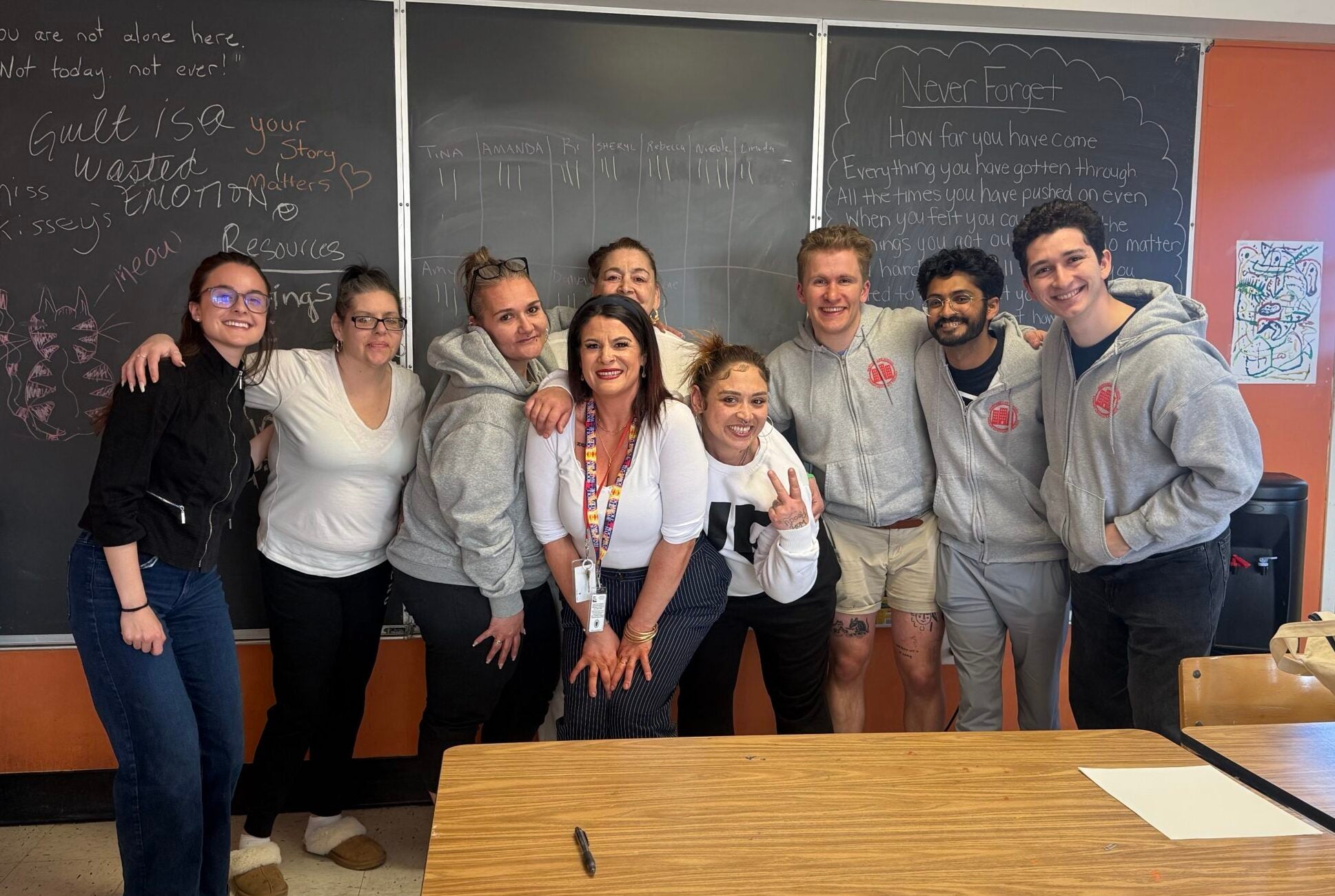
In addition to expanding our project areas, TAP has also fostered new, strong partnerships with other organizations among the Harvard Law experiential programs. We now work more closely with the Harvard Defenders than in previous years, after the eviction record sealing legislation created a new avenue for the Defenders to holistically support their clients with criminal justice involvement.
This is the first year to my knowledge where we’ve had students in TAP and Defenders at the same time. Two TAP students recently joined Defenders, helping to “cross-pollinate” understanding between the organizations. TAP has received at least five eviction sealing referrals from Defenders this semester alone, compared to perhaps one per year previously. We have also participated in several offsite-visits along with Defenders to offer sealing support for both eviction cases and criminal records.
We frequently work with both the HLS Legal Services Center (LSC) and with the Harvard Legal Aid Bureau (HLAB) on cases where one or the other partner has to hand off a case. Intakes will often come to LSC or HLAB that are appropriate for TAP, and they’ll suggest a referral to us; conversely, we do the same thing. We may do an administrative hearing, and if we are unsuccessful at overturning an adverse decision, we’ll pitch the case to LSC or HLAB, and sometimes they will take those cases to court when TAP’s remedies have run their course.
Sometimes there’s an overlap [with the clinics]. We had one case recently where our client was losing her voucher due to a debt to the landlord that accrued after our client lost her job. The court had made a mistake in final judgment, which impacted our client’s voucher eligibility. The judgment needed to get fixed but TAP doesn’t appear in court, so we partnered with LSC who went to court and asked the judge to amend the final order. The judge agreed, and TAP was able to persuade the voucher administrator to reinstate our client’s benefits. This result couldn’t have occurred without both programs being involved, and the end result was our client and her four children will continue to have stable housing.
OCP: What inspires you about working with law students, especially those interested in housing justice?
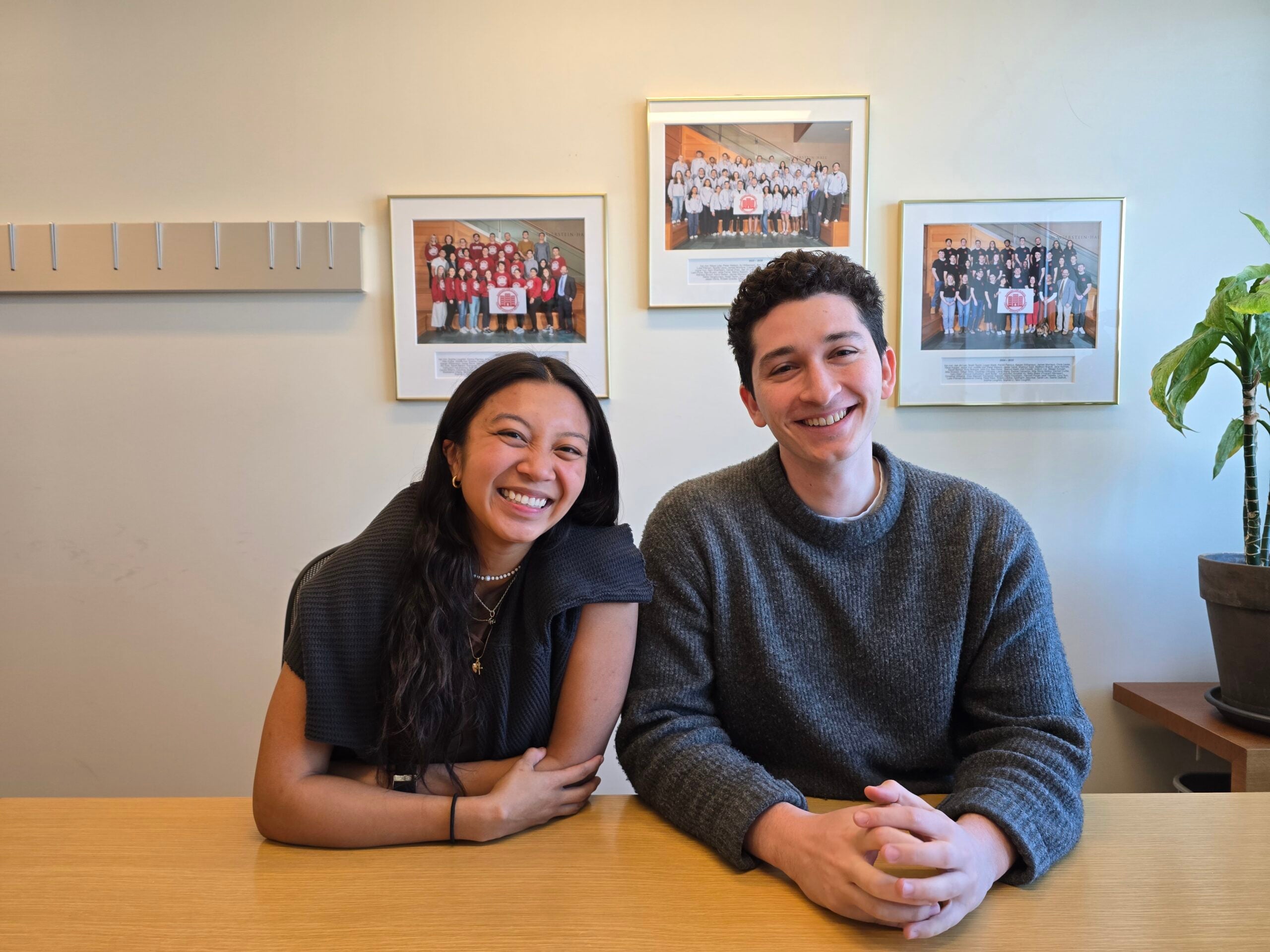
Allen: First, the level of commitment and passion that students bring to the organization recharges me every morning. When you do the same job for 10 or 20 years, I think everybody can flatten out at some point. But TAP inspires me in different ways every single semester, and it never gets old. Because it’s student-driven, the priorities change every couple of years. Every semester is different, which is a cool way to come to work. It’s never routine here. And that’s the best kind of job ever.
OCP: What would you say to students who might be interested in joining TAP? How can students get involved?
Allen: TAP is a unique program that affords students the opportunity to connect with clients, appear at hearings and make a life changing difference for people who might otherwise fall through the cracks in the system. And students get to do all of that before they write their first paper or take their first final exam.
The organization structures student work through small teams mixing first, second, and third-year students under team leader supervision. It’s really great when the 3Ls, 2Ls, and 1Ls are all showing up for events at homeless shelters or going out for what we call TAPpy hour. We bring in a new class every year, and the soul of our organization is the students’ commitment to housing justice.TAP is defined by its sense of community, and many of our students participate for all three years of law school.
Filed in: Clinical Spotlight
Tags: Tenant Advocacy Project