By Noah Harris ’27
“To understand the world, you must first understand a place like Mississippi.” – William Faulkner
This spring break, Ifeanyi Umunna ‘28, Sonam Rustagi ‘28, and I traded in our casebooks and outlines for a life-changing pro bono trip to Jackson, coordinated by the Mississippi Delta Project (MDP) and hosted by MDP’s partner, the ACLU of Mississippi. In addition to understanding, we went to serve the community and learn what makes Mississippi such a special place.
We began our trip on Monday at an expungement clinic in Noxubee County with the Mississippi Center for Justice, a Jackson-based public interest law firm. Mississippi Center for Justice travels around the state drafting expungement petitions for people who have been convicted of misdemeanors or non-violent felonies. The expungement clinic was an immersive and formative start to the week. As a native of Mississippi, I was honored to use my legal education to help people in the state that means so much to me. Through our conversations with the Mississippi Center for Justice attorneys, we learned even those found not guilty still had to petition to have their records expunged. When a court expunges someone’s record, they can legally state they no longer have a criminal record, which removes barriers to employment, housing, and loans. Playing even a small role in alleviating that burden was a privilege for us all.
On Tuesday, we spent the morning with our hosts at the ACLU of Mississippi and learned more about their work. That afternoon, we observed arraignment hearings at the Hinds County Courthouse in Jackson. With Judge Johnnie McDaniels presiding, we watched three incarcerated people have their initial hearings before the court. “It was heartbreaking to watch those accused of crimes cycled through the arraignment like numbers,” Ifeanyi Umunna reflected. “I learned so much from this experience and feel all the more motivated to enter public service to help ameliorate some of the issues we observed.”
On Tuesday evening, we toured Foot Print Farms, the largest urban farm in Mississippi, with Dr. Cindy Ayers Elliott. After a career on Wall Street, Dr. Elliott told us how she came home to Mississippi and built a 68-acre specialty crops and livestock farm just a few miles from downtown Jackson. We discussed the importance of urban farms to mitigate food insecurity and how agriculture plays a role in nearly every industry in our economy. “It was evident that local institutions and relationships are so significant in building support in rural communities,” Sonam Rustagi explained. “More than anything, I appreciated all of the kindness extended to us by our hosts… [and] learning about how they leverage their local relationships to further their work in the community.”
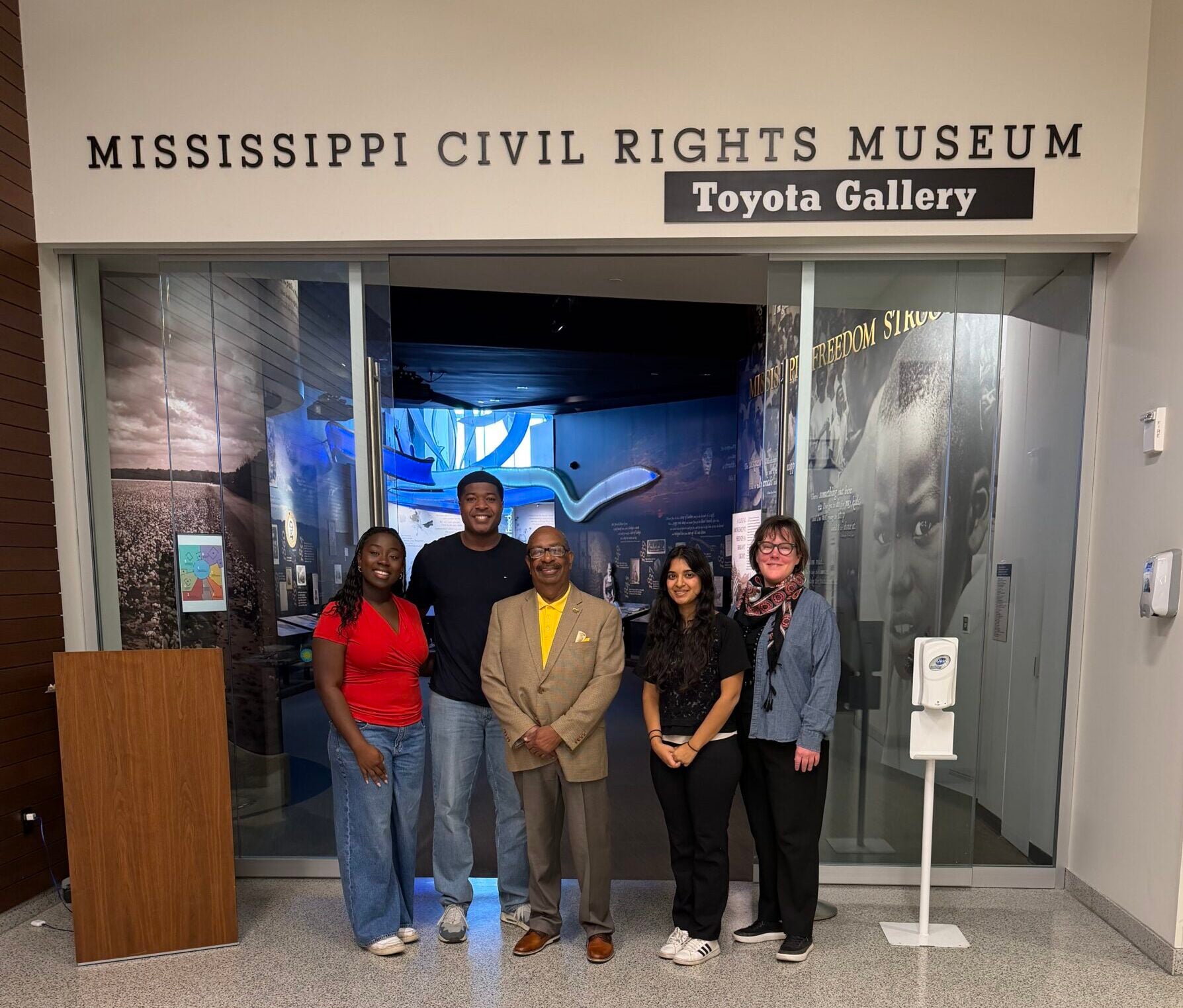
On Wednesday, we toured the Mississippi Civil Rights Museum where we met the youngest Freedom Rider, Hezekiah Watkins. We stood in awe of the civil rights hero as he told his inspiring story to a group of elementary school kids.
At the age of thirteen, Watkins went to the Greyhound Bus Station in downtown Jackson because he heard the famous Freedom Riders would be in town. Jackson Police officers arrested Watkins for entering the “whites only” bus station after his friend pushed him inside. The next thing he knew, Mississippi put him on death row for walking around a bus station. President John F. Kennedy urged the state to release Watkins once he heard a thirteen-year-old kid was on death row in the segregated South. Hezekiah Watkins, after his release, joined the Freedom Riders and went on to be arrested over 100 times in his fight for freedom. Meeting Hezekiah Watkins gave me chills, knowing he and so many others risked their lives, so our generation could have every opportunity to thrive. I walked away from the experience determined to never take his sacrifice for granted.
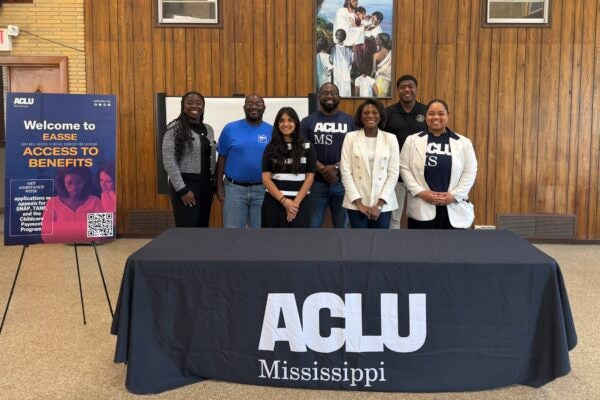
On Thursday, we joined the ACLU of Mississippi for an Equitable Access to Social Services for Everyone (EASSE) Clinic, where we presented legislative research and Jackson State University EASSE report data to a roundtable of community partners and helped people apply for SNAP, TANF, the Childcare Payment Program, and Medicaid. We enjoyed being a part of the ACLU’s inaugural EASSE clinic and learning how an issue as small as payment error rates could cost a state hundreds of millions of dollars and alter public benefits for generations. “Presenting on inter-government collaboration and data-informed insight was helpful to understand how the ACLU team crafts effective policy and programs,” Rustagi said.
On Friday, we visited the home of Medgar and Myrlie Evers before hitting the road to Yazoo City to see more of Mississippi. Medgar Evers was the first NAACP Field Secretary in Mississippi who was murdered in his carport because he was registering Black people to vote. Visiting his home was a somber experience as his blood stains are still visible on the concrete. Understanding Mississippi and America is not possible without confronting the history of racial violence that we’re still grappling with to this day.
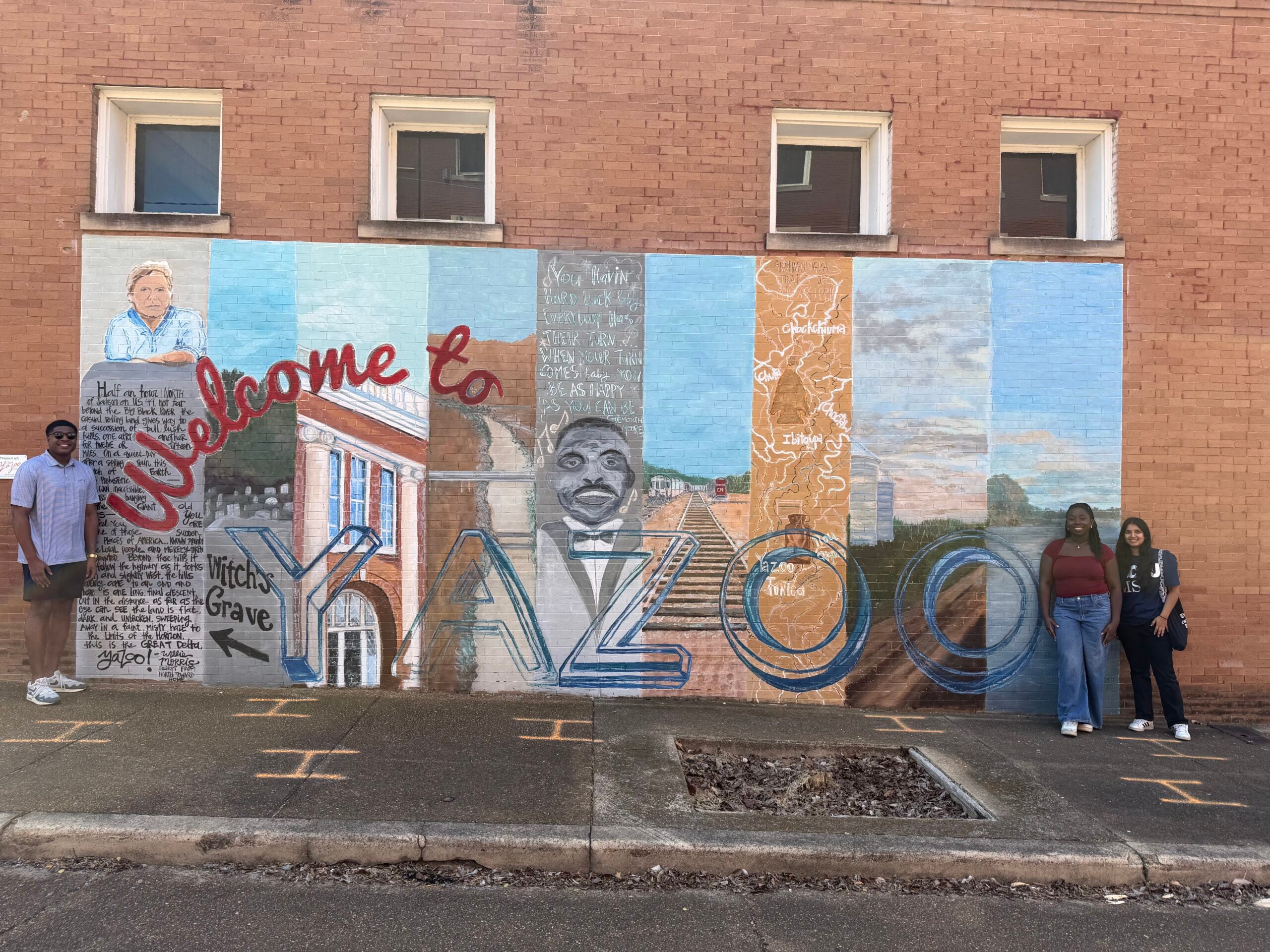
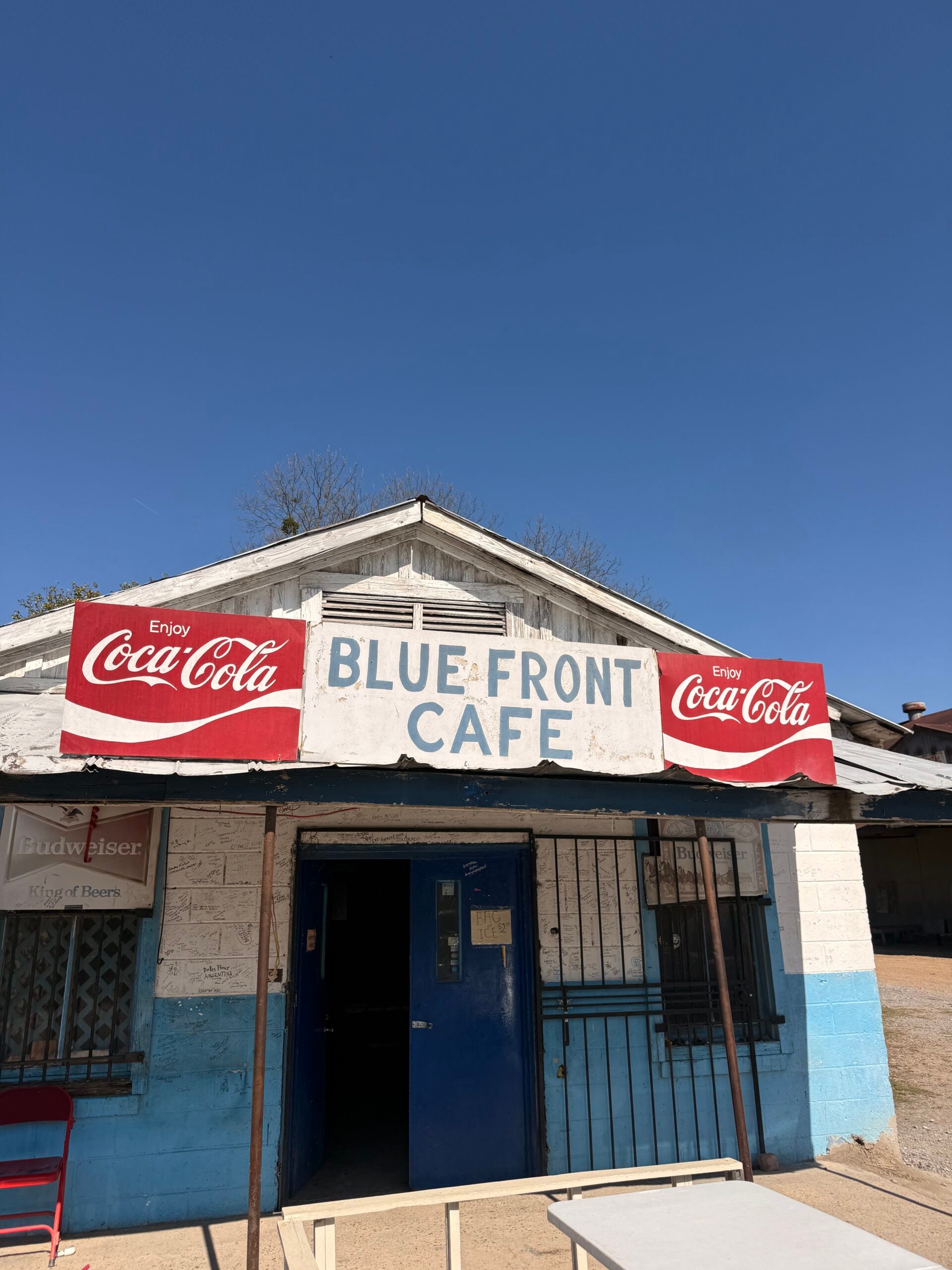
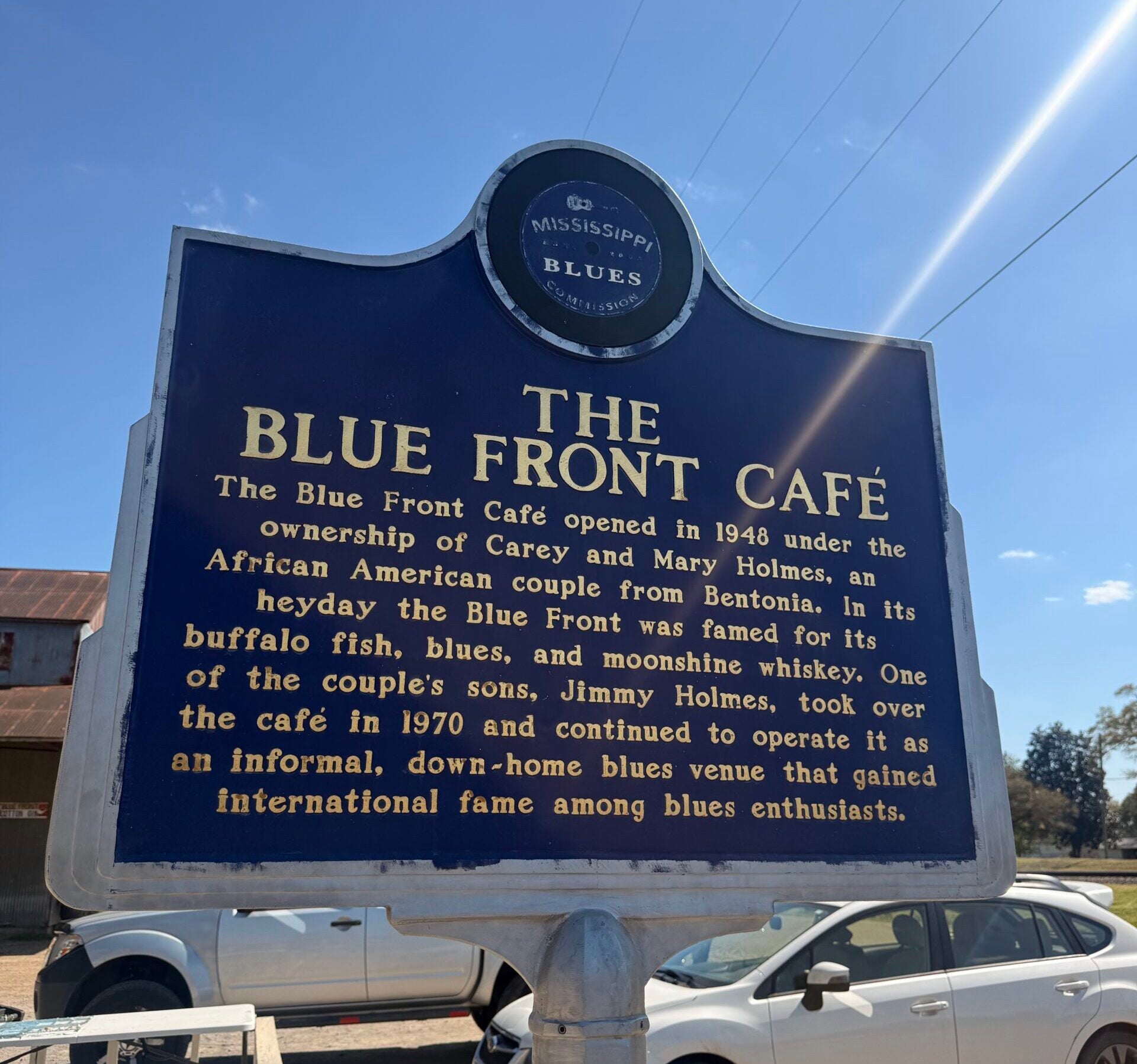
On Friday afternoon, we took Highway 49 north to Yazoo City, the gateway to the Delta. After exploring Yazoo’s historic downtown, we stopped on the Blues Trail to visit Blue Front Cafe in Bentonia. Since it opened in 1948, Blue Front Cafe has been an iconic music and entertainment hub for visitors from around the world. The cafe’s humble charm and Southern hospitality transported us back to the time where the Mississippi Delta juke joints built the foundation for American music.
We closed our trip back at Foot Print Farms, where we joined Dr. Cindy Ayers Elliott and her family for a home-cooked meal, made with ingredients from the farm. With lights strung throughout an agri tunnel, we enjoyed grilled catfish, mustard greens, and more, amidst the sound of cows, music, and laughter that filled the air. We watched with gratitude as the sun set on our time in Magnolia State.
The Mississippi Delta Project’s spring break trip to Jackson was much more than pro bono hours or legal policy experience. The journey was a master class in culture, community, history, pain, and resilience: every human emotion intertwined. “This trip caused me to rethink my post-graduate plans,” Umunna said. “I am now interested in working in Mississippi after finishing my degree.” As we ventured back to Harvard’s prestigious halls, we return changed, humbled, and inspired, knowing that we have begun to understand the world.
Filed in: Clinical Student Voices
Tags: Mississippi Delta Project, Pro Bono, Spring Break Pro Bono Trip