By Haniya Rehman LL.M. ’26
I want to go home,
but home is the mouth of a shark
home is the barrel of the gun
and no one would leave home
unless home chased you to the shore.
This excerpt is from a beautiful poem by one of my favorite poets, Warsan Shire. Much has been written about homes and homelands. For me, an international student living abroad, these words evoke affection. I think of the stunning sunsets and airplanes I’ve seen from my balcony while having evening chai with my family in Karachi, Pakistan. I think of spring blooming on the streets of Lahore. But to be able to think of your home fondly is a privilege. To be able to think and talk about your home at all, really. My pro bono work with Metro West Legal Services during the spring break was a reminder of the same.
One of my friends had great things to say about his experience at the Harvard Immigration and Refugee Clinic last semester. I was intrigued and wanted to learn more about immigration law, so I decided to volunteer during the week-long spring break organized by the Office of Clinical and Pro Bono Programs. I submitted my preferences for host organizations and was luckily placed with Metro West Legal Services. It is non-profit organization based in Framingham, Massachusetts, offering free civil legal aid to low-income individuals. I was involved with their immigration unit, but they also carry out important work across family law, housing, and education. My assigned supervisor and mentor kindly helped me settle in, once the week began. I spent my time working with Haitian clients who had fled Haiti due to widespread gang violence and were applying for asylum in the U.S.
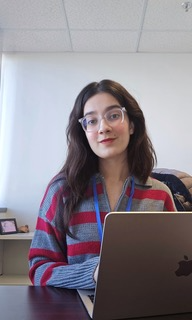
During the week, I participated in a team meetings and client meetings and prepared a memorandum. Particularly, I was researching the issue of firm resettlement as a bar to asylum applications under the Immigration and Nationality Act. The idea is that if someone was settled in another country after fleeing from persecution in their own and before entering the U.S., they’re ineligible for grant of asylum. It was very interesting to learn that to prove that an individual was settled, the Department of Homeland Security, which represents the government in asylum cases, may only need to show that a third country had made an offer of nationality or citizenship to the applicant. Whether the applicant accepted this offer is not important. However, my research also focused on exceptions that apply.
In doing this work, I learnt more about the country conditions, challenges, and everyday lives in Haiti and Chile. It also exposed me to the material impact of changes in administrative policies for refugees and asylees. For example, the Temporary Protected Status (TPS) for immigrants has been extended and terminated many times in the recent years. As an immigration benefit, TPS allowed beneficiaries to live and work in the U.S. temporarily without fearing deportation. However, it was revoked once again, with litigation pending at the moment. This has placed hundreds of thousands of TPS holders in limbo. Many have children and spouses that are U.S. citizens. Even generally, there are huge mental and social costs of building a life in a country, knowing it can be uprooted any day. Individuals such as my clients during this work, were scared of leaving their state at all; they have to live with the uncertainty of not knowing if they’d be allowed to return.
My biggest takeaway from the conversations I had during this week and the stories I read during my research was this: the pursuit of a better life is such a beautiful and cruel thing. It compels us to pack our lives in boxes and move countries. We relocate to where there are better job markets, medical facilities, or safer neighborhoods. For people like me, it’s a heavy choice. We can mull over the idea for a while, talk to our loved ones, pause and do cost-benefit analysis. But for many, calling it a “choice” is an overstatement. For them, if life is to mean something more than mere survival, relocation is non-negotiable. Like Warsan Shire says, anywhere can seem safer than where you are.
Even then, challenges continue. They go beyond cultural bereavement and identity struggles. To illustrate, Haitian and Venezuelan migrants in Chile report difficulty finding work and housing, and face discrimination on the basis of their skin color and language. This is not specific to Chile, though. The chants of “go back to where you came from,” and allegations against immigrants for “stealing” jobs or welfare benefits from citizens continue in many regions, including the U.S. This invites reflections about citizenship as an instance of geographic luck. My experience with Metro West Legal Services, and this year at Harvard generally, has offered many lessons in this regard.
Further, I’m glad that I was able to connect this work with my other courses at Harvard, despite the novel issue area. Meeting with the clients especially reminded me of Legal Profession class, where we discuss the ABA’s Model Rules of Professional Conduct. It is certainly easier to discuss how a lawyer can set realistic expectations with their clients and provide best assistance without offering false consolations, in a classroom than in a real-life setting. The same goes for explaining the possible risks of missing a court hearing, or the possible outcomes of litigation, especially in asylum cases. Yet, applying the professional conduct rules was a great learning experience. I also saw a connection with the Human Rights Lawyering seminar, which is teaching me about tensions inherent in direct service work, and the International Human Rights Clinic, which has helped me refine the craft of writing and briefing memorandums.
Above all, volunteering during spring break reinforced my commitment to public interest work. If you’re someone very interested in understanding the human impact of policies and laws, I’d recommend working on a pro bono project during spring break. If, like me, you also spend a lot of time musing over home and belonging, I’d especially recommend an immigration law project.
Filed in: Clinical Student Voices, Pro Bono