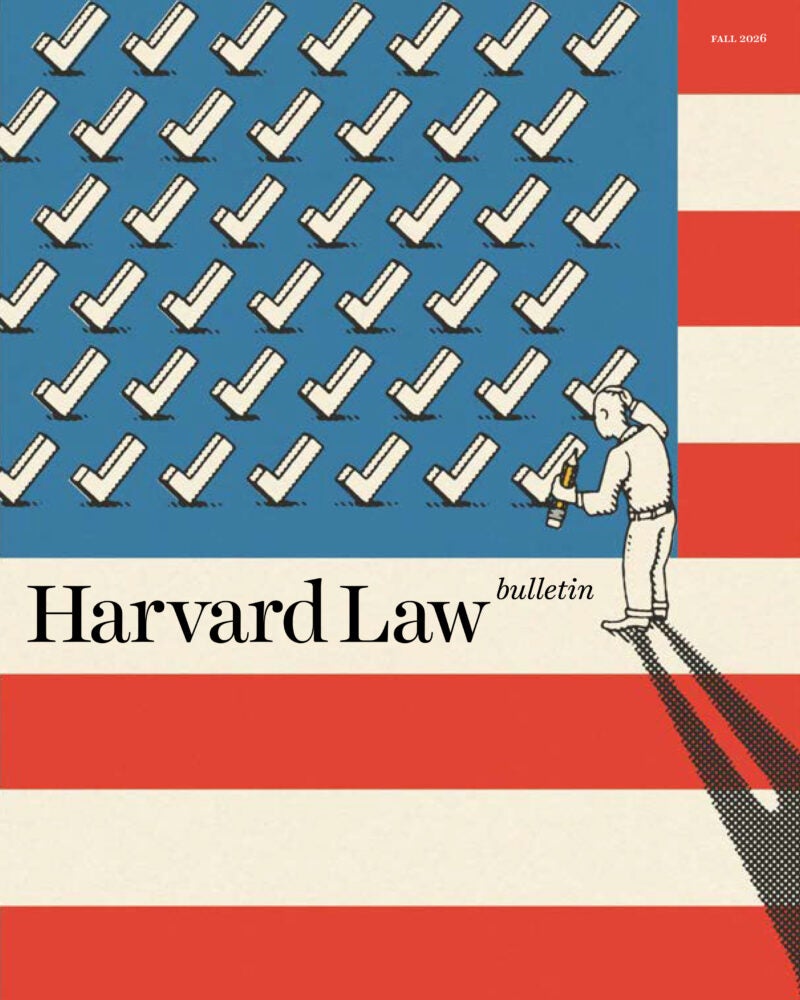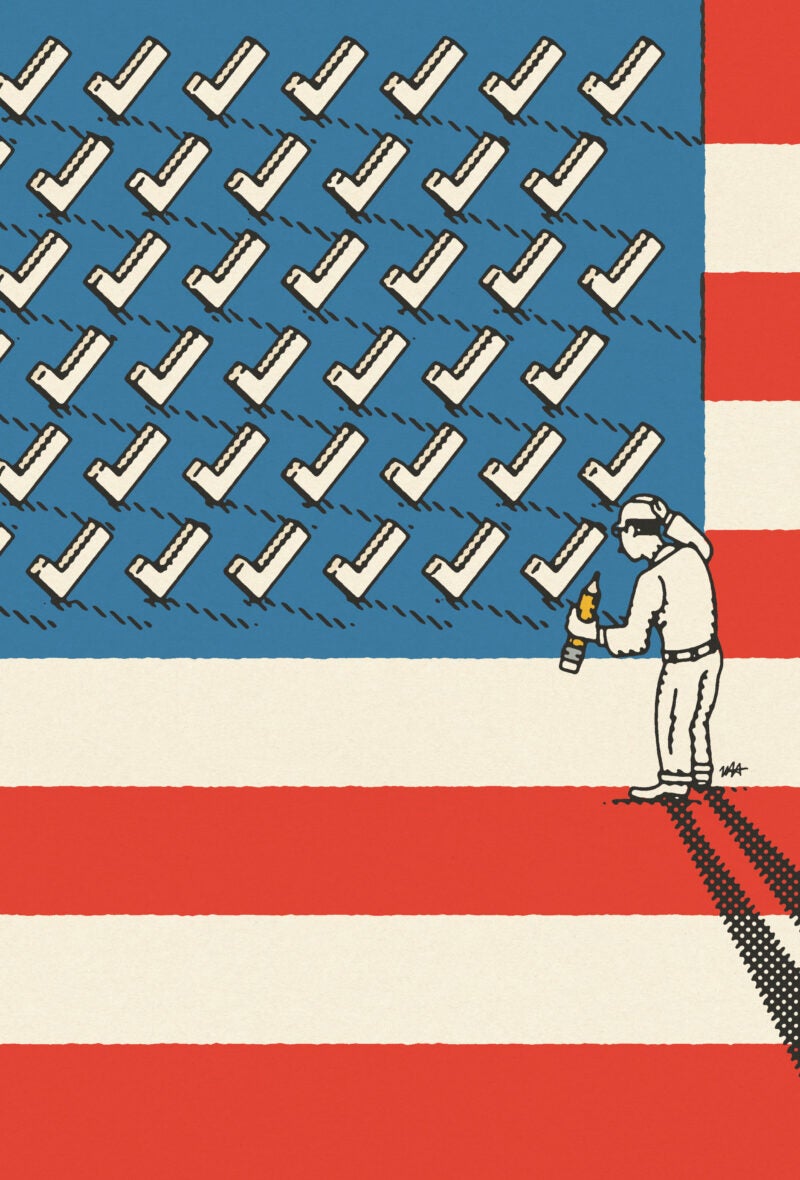
These days, Americans seem not to agree on much.
But across demographic and political lines, many people share a deep distrust of government and elected officials. In 1964, more than three out of four people in the United States said they trusted the government to do the right thing all or most of the time. Today, just one in six do. More than 80% of Americans told the Pew Research Center in 2023 that elected officials don’t care what “people like them” think.
That distrust has deepened amid rapid technological, economic, demographic, and cultural change. Elections have become a source of anxiety and turmoil, with accusations of foreign interference, battles over how ballots are cast and gerrymandering, and allegations of rigged elections. Meanwhile, over the past few decades, changes in the law have reshaped nearly every aspect of the democratic process—from how districts are drawn and campaigns are financed to who can vote and how elections are administered.
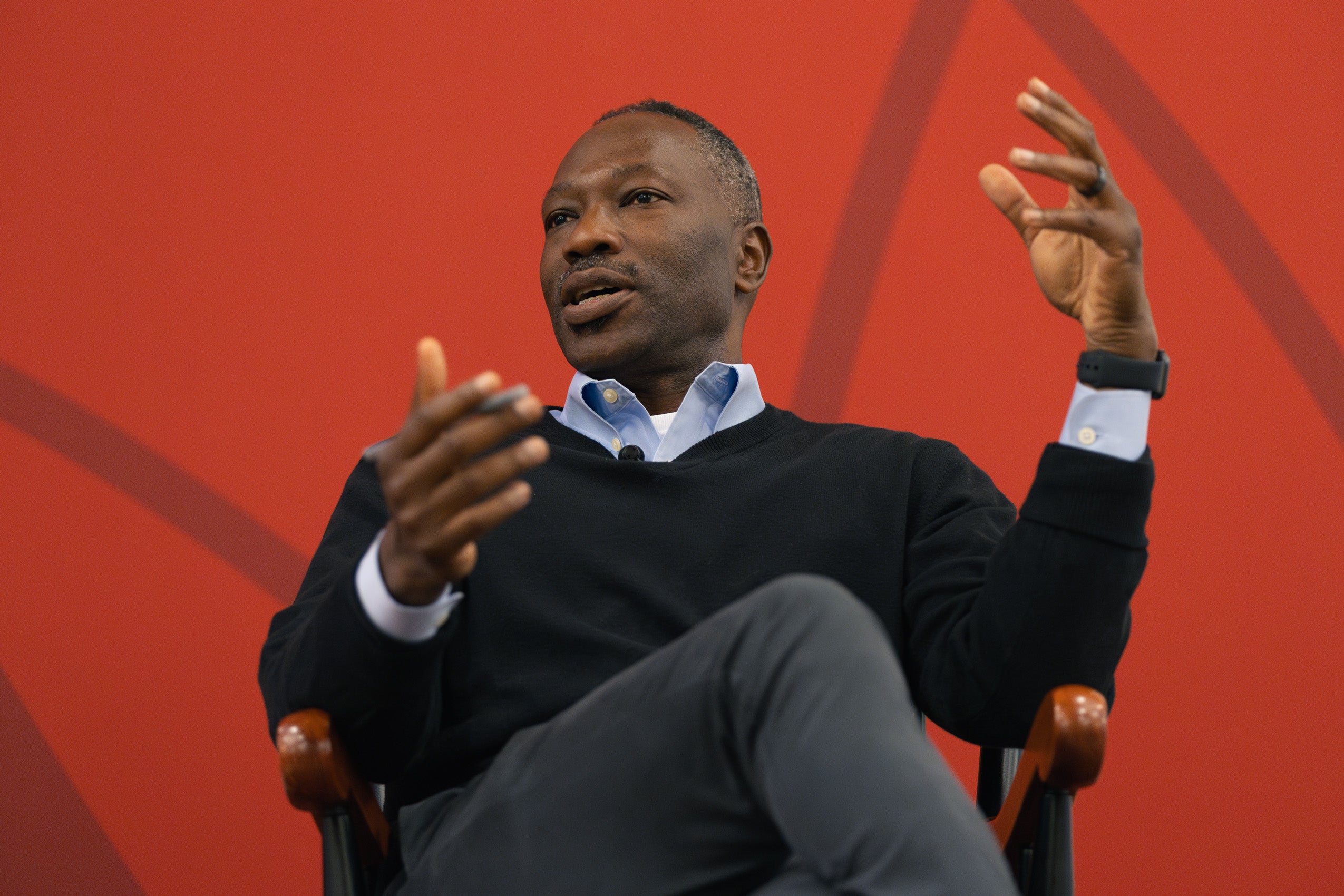
In short, voters are “feeling a sense of spiritual alienation,” argues Guy-Uriel Charles, the Charles Ogletree, Jr. Professor of Law at Harvard.
Could some of the disaffection Americans feel about their government stem from the ways in which elections are organized and conducted? Some legal experts argue that better election laws could help build more trustworthy institutions. Others worry that continually tinkering with electoral rules could deepen the nation’s partisan malaise.
As the U.S. reckons with this month’s midterm elections, Harvard Law School faculty and alumni examine how election laws shape political power, and whether revisions to these laws could help restore Americans’ faith in democracy.
Election law and democracy
Election law wasn’t always seen as a distinct area of study, says Nicholas Stephanopoulos, the Kirkland & Ellis Professor of Law at Harvard and co-author of a leading casebook in the field.
Instead, it was treated as a subset of constitutional law, grounded in disputes about the division of power between states and the federal government, and “heavily focused on individual rights, burdens on those rights, and whether there are sufficient state interests to justify those burdens,” he says.

But election law has evolved into a distinct area of scholarship and practice, Stephanopoulos adds, one concerned with all aspects of our democracy, including how campaigns are financed; how electoral districts are drawn; who can access the ballot and when; how votes are counted; and ultimately, how power is translated into policy.
Charles, an expert in constitutional law, election law, campaign finance, redistricting, and politics and race, argues that the law provides the structure within which democratic politics operate and determines how well people’s preferences are translated into public policy.
Spencer Overton ’93, an election law scholar who worked on voting rights and democracy policy at the Department of Justice during the Obama administration, agrees.
“We usually experience democracy as Election Day: Candidates appear on a ballot, we make a choice, votes are counted, somebody wins,” he says. “But underneath that visible system is an architecture of rules determining who participates, and whose votes translate into political power.”
Overton, currently a professor at George Washington University Law School, believes that the broader discontent many Americans feel about the economy, technology, corporate power, and the government can be traced in part to these institutional arrangements. “People feel that decisions affecting their lives are being made somewhere beyond their control,” he says.
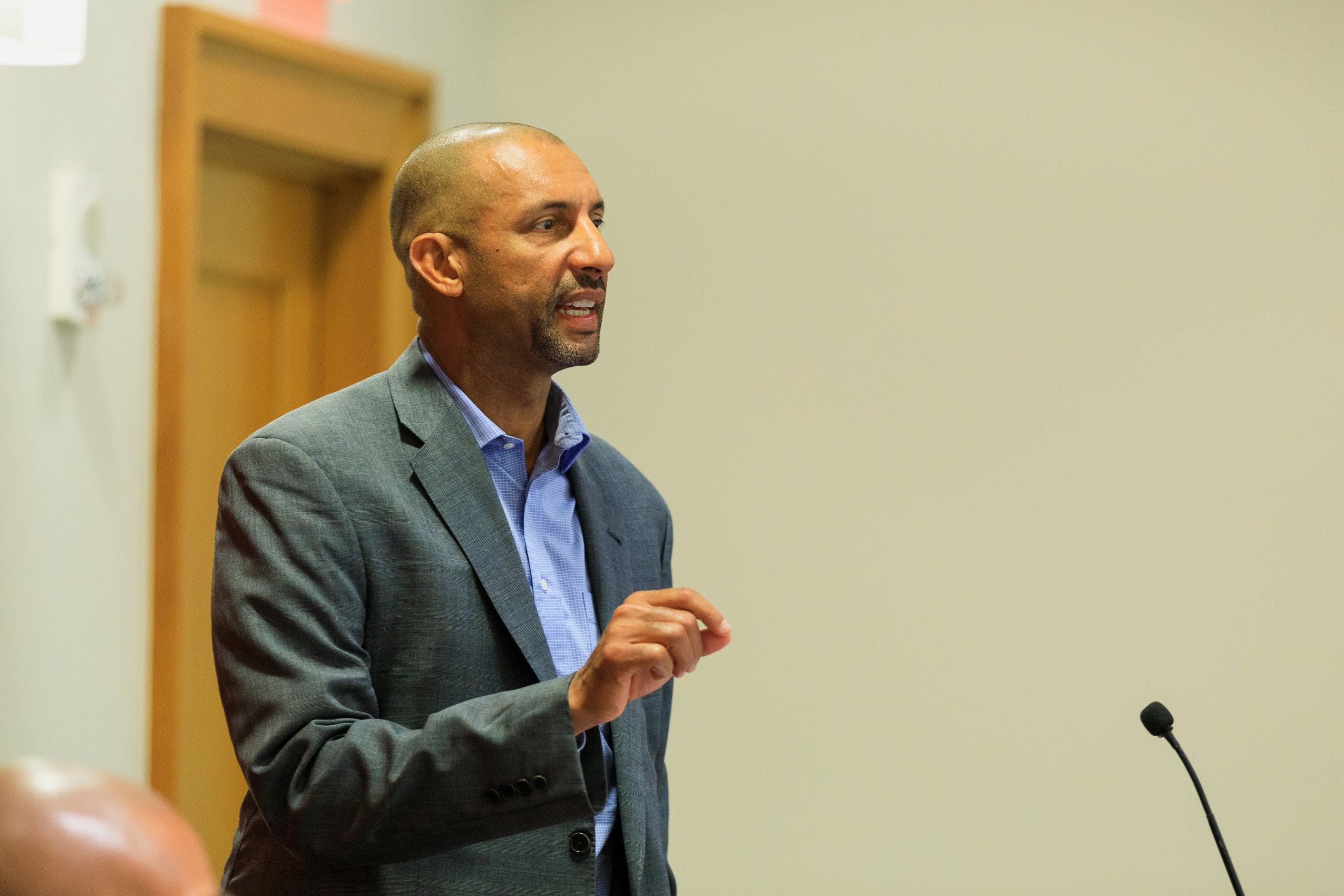
Yet not everyone believes the law should be responsible for addressing our political morass. Bradley A. Smith ’90 instead blames our polarized culture.
Smith, chairman and founder of the Institute for Free Speech (formerly the Center for Competitive Politics), helped litigate SpeechNow.org v. FEC—the landmark 2010 D.C. Circuit Court of Appeals case that led to the creation of super PACs, or political action committees.
“One of the great problems facing U.S. elections right now is simply the lack of confidence in election results and the willingness to live by election results,” says Smith, who served as a commissioner on the Federal Election Commission from 2000 to 2005, including as chairman in 2004. “That not only includes not going off into fraud theories but also accepting the legitimacy of the government in power.”
The role of gerrymandering
Many legal experts, however, believe that legal changes are necessary to protect the democratic process and restore confidence in the American electoral system.
“The idea of the framers was to give us a republic, but what they meant by a republic was a representative democracy. So, do our institutions do that? It seems pretty clear that they don’t,” says Lawrence Lessig, the Roy L. Furman Professor of Law and Leadership at Harvard, an expert in election integrity and campaign finance reform.
Partisan gerrymandering, or the drawing of legislative districts to give one party an advantage, is particularly troubling to Lessig—and to the roughly 71% of Americans who oppose it, according to a 2026 YouGov poll.
“If a democracy is not actually representative, there’s no reason to trust that it’s actually doing what is in the interest of the majority of the people,” says Lessig, who co-wrote How to Steal a Presidential Election (2024).
Several Supreme Court decisions over the past decade have altered the landscape of redistricting. In 2019, a majority of the justices held in Rucho v. Common Cause that so-called partisan gerrymandering claims present political questions beyond the reach of federal courts, effectively closing the federal courthouse door to constitutional challenges alleging that districts have been drawn unfairly in favor of the political party in power. (However, claims of this sort may still be viable under some states’ laws.) And while the 2023 case Allen v. Milligan held that Alabama’s congressional map unlawfully diluted Black voting strength, the Court struck down Louisiana’s second majority-Black district as an unconstitutional racial gerrymander in 2026’s Louisiana v. Callais.
Considering those cases together, Overton argues that the Court has given state lawmakers wide latitude to draw districts for partisan gain while limiting efforts to protect minority voting power.
“In most districts, the decisive political choices occur during redistricting rather than on Election Day,” argues Overton. “If district lines reliably determine which party will win, voters understandably begin to conclude that their votes don’t matter.”
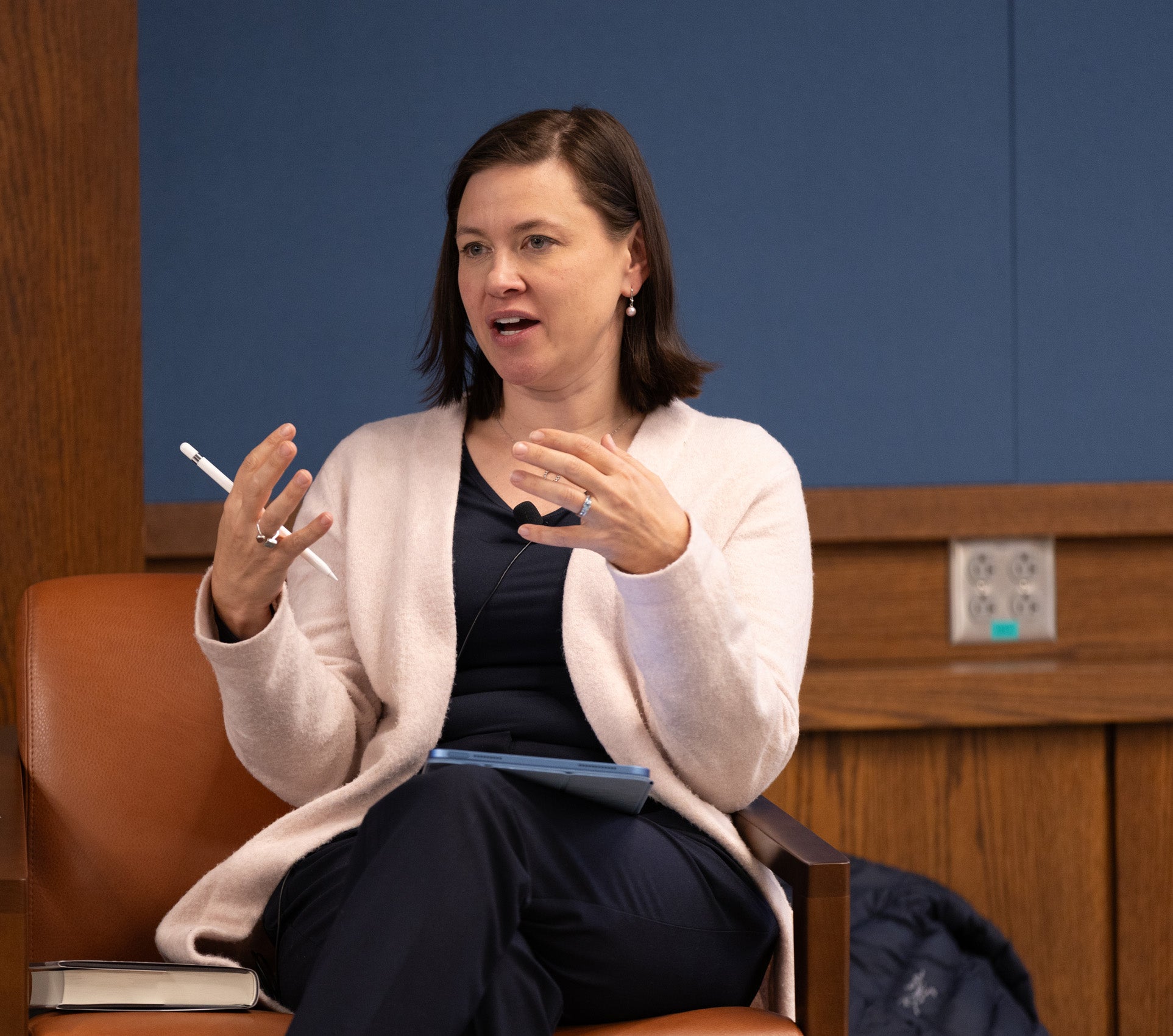
Both parties have used redistricting to their advantage, says Ruth Greenwood, citing recent efforts by Maryland Democrats and Missouri Republicans, as well as the 2025 battles in Texas and California that produced maps favoring Republicans and Democrats, respectively.
“The Democrats and Republicans are quite happy to maintain power between themselves and do everything they can to cut out the ability of voters to have any say,” says Greenwood, director of Harvard’s Election Law Clinic, who represented the plaintiffs in the Rucho case from the trial level to the Supreme Court.
Among Greenwood’s proposed solutions are laws that would create independent redistricting commissions—nonpartisan or bipartisan groups tasked with drawing districts in a politically neutral manner. Her clinic has advised dozens of state advocates interested in creating independent commissions.
“The Democrats and the Republicans are quite happy to maintain power between themselves and do everything they can to cut out the ability of the voters to have any say.”
Ruth Greenwood
Greenwood, Stephanopoulos, and other public policy, political science, and mapping experts also created PlanScore, a tool that helps commissions and legislative staff draw more politically neutral districts. It enables citizens to evaluate partisan bias in proposed and enacted maps, Greenwood says, giving them data and visualizations they can use in public advocacy — or in court.
Campaign spending: Undue influence or free speech?
Some experts also believe big money plays a big role in distorting elections—and impacts how people feel about election results. During the 2024 federal election cycle, politicians, interest groups, and others spent an estimated $15.9 billion to bolster their favorite candidates and causes. Elon Musk alone reportedly doled out $290 million. But if money talks, is it simply free speech—and do we have to listen?
Over the past several decades, Supreme Court decisions have curtailed the government’s ability to limit political spending and campaign contributions. In 2010’s Citizens United v. FEC, the Court struck down a federal prohibition on independent political spending from corporations’ and unions’ general treasuries. Citizens United, coupled with the subsequent decision by the D.C. Circuit Court of Appeals in SpeechNow.org v. FEC, enabled the creation of super PACs, which can legally raise and spend unlimited sums of money so long as they do not coordinate directly with candidates or campaigns. This year, in National Republican Senatorial Committee v. FEC, the Court also overturned limits on what political parties may spend in coordination with federal candidates.
To Stephanopoulos, the connection between eye-popping election spending and nonrepresentative influence is clear: “Unregulated campaign finance can induce politicians to adopt the views of donors and funders, which are quite different from the views of regular people,” he says.
He argues that donor spending also drives politicians to extremes—on both sides of the aisle.
“The more politically active you are, the more ideologically extreme your ideas tend to be,” he says. “Voters are more extreme than nonvoters. Similarly, because donating is an intense, costly form of participation, donors tend to be more ideologically extreme than almost any other group in American politics.”
That’s a view shared by Lessig, who delved into this issue in his 2011 book, Republic, Lost: How Money Corrupts Congress—and a Plan to Stop It.
“Our politicians basically bend over backwards to make the very wealthy happy, so that they can get the funds they need to be able to run,” Lessig argues. “I think what we’ve produced is a system where people believe—and they are right to believe—that they are just not really what matters.”
In 2014, Lessig launched Mayday PAC, a crowdfunded effort to demonstrate the impact of money on politics, which he called “the super PAC to end all super PACs.” That year, the initiative raised more than $11 million, with more than $7 million coming mostly from small donors, and boosted a national, bipartisan slate of candidates dedicated to campaign finance reform.
Lessig’s strategy is multipronged. In 2024, he and a nonprofit he founded, Equal Citizens, were instrumental in supporting a ballot measure in Maine to limit contributions to PACs that make independent expenditures. The initiative, which passed overwhelmingly with close to 75% of the vote, effectively ended unlimited contributions to super PACs in the state.
“Maine’s a very purple state, but people on all sides think that this is corruption,” he says. “Whether you’re strong MAGA or a strong Berniecrat.”
The law is currently on pause while it is challenged in the courts; in July, Lessig’s colleague Neal Katyal argued the case in the First Circuit Court of Appeals. But Lessig isn’t overly worried; he sees a strong originalist argument that states can limit contributions to super PACs while also preserving the right to make independent expenditures under Citizens United.
Getting money out of politics is, for Lessig, a necessary condition for other electoral changes. “I think that there’s an order to reform,” he says. “I think money is the first step, and once we solve the money problem, then there will be a lot of people eager to solve all the other problems too.”
Smith, whom legal historian Ann Southworth has credited as an intellectual influence behind the Roberts Court’s approach to campaign finance regulation, sees the role of money in politics differently. He argues that disparities in political influence are inevitable: People participate in part because they wish to have more sway. He believes that campaign finance limits actually benefit those already in power.
Incumbents can rely on established networks and constituents to raise money, while new and emerging candidates often require deep-pocketed supporters to help them compete with established politicians, Smith says.
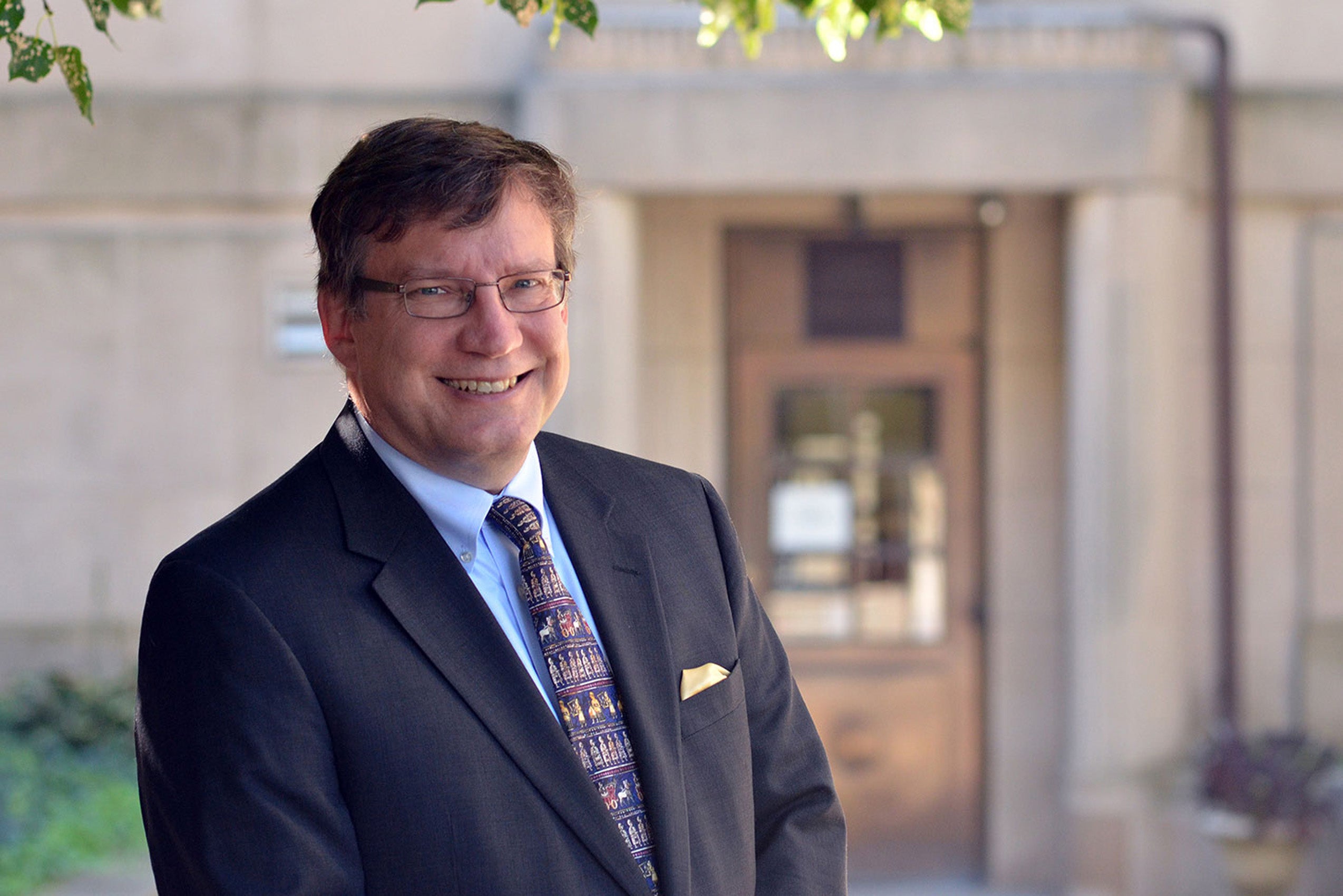
“One thing that these efforts to limit money tend to do is lock in the people who already have political power and influence—and make it harder to push new ideas to the fore,” he says. “Very often, the people we need to hear from are people in the minority, but those minority groups need that champion to go out there and spend the big dollars.”
For Smith, the law’s role is largely to get out of the way and allow people to speak for themselves. Although he acknowledges legitimate concerns about money in politics, he believes many campaign finance regulations infringe on the right to free speech.
“Efforts to regulate money in politics breed distrust [and risk] entrenching incumbents and the party in power.”
Bradley A. Smith
He’s also not convinced that such rules are — or can be — implemented in politically neutral ways. “Enforcement has to be done by somebody, and those somebodies will have ideas of what speech is good, what speech is bad, who’s spoken too much,” Smith says. “I think our First Amendment was designed in part to keep the government out of making those decisions.”
In Smith’s view, regulation could ultimately reinforce the partisan cynicism it is intended to alleviate. “I think efforts to regulate money in politics breed distrust” and risk “entrenching incumbents, and entrenching the party in power,” he says.

Voting rules and access to the ballot
Of course, representation matters only if people can participate. Questions about who has access to the ballot box—and when, and how—have long been central to American democracy. From property requirements before the Civil War to the historic disenfranchisement of Black Americans, women, Native Americans, and others, access to the ballot has expanded only through sustained political and legal struggle.
Today, some experts worry that part of that hard-won progress is unraveling, particularly with respect to the Voting Rights Act of 1965. In 2013, in Shelby County v. Holder, the Supreme Court effectively disabled the landmark law’s preclearance provision, which had restrained jurisdictions with a history of racial discrimination from altering their election laws without federal approval. In 2021, in Brnovich v. Democratic National Committee, the Court made it more difficult to challenge voting restrictions that have a racially disparate impact. And in this year’s Louisiana v. Callais decision, the Court raised the bar for racial vote dilution claims during redistricting.
The Court has also generally given states wide latitude to determine how ballots are cast and counted, upholding Indiana’s photo ID requirement and Arizona’s restrictions on third-party ballot collection, for example. Recently, President Donald Trump and Republicans have pushed for Congress to pass legislation its proponents have dubbed the SAVE America Act, a set of national voting rules that would establish uniform proof-of-citizenship and identification requirements for federal elections. And at the end of September, the Supreme Court allowed President Trump to roll out an online system that uses Social Security numbers and other citizenship data, which his administration argues will help states screen for ineligible voters.
Supporters argue that such laws ensure that elections are safe, secure, and trustworthy. Overton, author of Stealing Democracy: The New Politics of Voter Suppression (2007), worries that, despite their facially neutral construction, some of these time, place, and manner voting regulations put unequal burdens on certain groups.
“Democracy can be distorted through rules that look ordinary when examined in isolation but systematically redistribute political power when viewed together,” he says.
According to Charles, the debate over the conditions surrounding access to the ballot box endures because the U.S. Constitution does not contain a single, affirmative guarantee of the right to vote. Although it prohibits denying or abridging voting rights on several grounds, including race and sex, the Supreme Court has interpreted the Constitution to give states wide latitude to determine voter qualifications and to regulate elections.
Charles advocates for a more inclusive theory of political participation, arguing that the race-based model that underlies the Voting Rights Act has run its course and that the best way to protect against racial discrimination in voting is through a universal, positive-rights model of political participation. Such a model, he says, “treats voting like a protected right, such as the right to free speech.” This approach—which might include, for example, automatic voter registration or no-excuse absentee voting—“places the burden of participation on the government and not on the voter,” he says.
Like Charles, Overton favors expanding political participation, but he emphasizes that universal reforms should supplement other protections—ones responsive to historical and contemporary forms of discrimination.
“The Voting Rights Act itself was an institutional response to problems of its era,” he says. “Protecting democracy today requires the same willingness to identify how exclusion operates today and to design remedies accordingly.”
On the other hand, Smith cautions that efforts aimed solely at increasing the total number of people who cast a ballot—particularly absent efforts to bolster confidence in the overall system—could make people more skeptical of the results, not less.
“Every change to the system will have some partisan effect,” he argues. “It’s not surprising that partisans of both parties seem to favor reforms that most people think will benefit their particular party, and all of this creates a lack of confidence and a lack of a willingness to accept the election results.”
Greenwood, for her part, has also concluded that much of the Voting Rights Act is “a dead letter,” noting that while parts of the law remain in effect, it has been significantly weakened in recent years. In Harvard’s Election Law Clinic, Greenwood is pursuing alternative legal pathways to ensure fair access to the vote, particularly at the state and local levels. It is in our local communities, she says, that there is great potential for experimentation—and a huge appetite for change.
“At the local level, everyone is like the founder of their own little constitution,” she says. “I really value going to community meetings and organizing and seeing the different ideas that people have for how they might arrange decision-making.”
For the past several years, Greenwood’s Election Law Clinic students have worked with community leaders and advocates to support state voting rights acts, which can offer protections beyond those of federal law—including in New York, where a 2022 law lowered the bar for vote-dilution lawsuits. The clinic filed one of the first suits under the law, alleging that the town of Newburgh’s at-large voting system—in which representatives are elected jurisdiction-wide rather than by district—diluted the power of Black and Hispanic voters. The town settled in 2025 and agreed to adopt a proportional, ranked-choice voting system.
The victory is an example of Greenwood’s strategic and comprehensive approach to building change at the local level and then scaling up—and experimenting to find replicable models for other places.
“Letting different communities decide different things that suit them, and then seeing how they work, and then sharing what worked with other communities, and working our way up—that’s what we do,” she says.
Could proportional representation improve elections?
For Greenwood, however, democracy requires more than just access to the ballot box.
“Elections should be a way that more than just 50% plus one of the people can express their views,” she says. “I think about the role of elections in our democracy as trying to bring a pluralist society into a functional governing space.”
In the American system, voters are divvied up into districts represented by a single individual—resulting in a winner-takes-all system in which whoever receives the most votes can wield all the power, Charles argues.
“There’s much greater support for proportional representation today than there has been at any time in U.S. History.”
Guy-Uriel Charles
The late Lani Guinier—an influential thinker on equality and justice under the law, and a Harvard Law professor and mentor to Overton—was an early proponent of proportional representation, in which parties or groups receive legislative seats roughly in proportion to their share of the vote. Such systems are used in many democracies around the world.
Guinier’s ideas on sharing power have become increasingly relevant, Charles says, adding, “There’s much greater support for proportional representation today than there has been at any time in U.S. history.”
Adopting such a system nationally would not be easy. The Constitution guarantees every state two senators, but Charles says Congress could create multimember House districts without a constitutional amendment.
In a proportional system, differing factions would need to work together—even compromise—to accomplish their goals, Charles explains. “Usually what you end up with is some type of coalition, because you probably don’t often get a single dominant party that controls the government,” he says.
Like Charles, Overton believes that political minorities of all kinds would have more of a voice in a proportional system.
“Studies show also that single-member districts systematically disadvantage numerical minorities,” Overton says. “Whether that’s environmentalists in Alaska, or Republicans in Massachusetts, or racial minorities, single-member districts tend to underrepresent numerical minorities and overrepresent numerical majorities.”
Not everyone believes proportional representation will solve these problems. Some critics argue that proportional representation can lead to fragmented governments, legislative gridlock, or disproportionate influence for extremist parties.
In a 2025 paper for the Wisconsin Law Review, Stephanopoulos cautioned that some forms of proportional representation can be cognitively challenging for voters; others can underrepresent minority voters or produce what he calls “vote leakage,” in which a voter ultimately helps elect a candidate from a different party from their first choice.
To address these issues, Stephanopoulos proposes a new form of proportional representation in which voters would first choose their preferred party and then rank only that party’s candidates.
Aligning government policy with voters
For Stephanopoulos, any idea for reform ultimately raises a broader, thornier question: How much should government action reflect what voters want? Stephanopoulos’ 2024 book, Aligning Election Law, presents a new theoretical perspective on election law and makes the case for a closer relationship between what the government does and what citizens actually want the government to do.
“By alignment, I mean that the work of the government is basically consistent with the will of the people,” he says.
Alignment could be reflected at different levels of specificity, Stephanopoulos explains. It might simply mean alignment between voters and parties. It could mean that elected leaders take positions and vote in ways that reflect the policy preferences of their constituents. Or it could mean that policies as adopted and implemented are congruent with what voters want, which is what Stephanopoulos prefers.
In any case, ensuring alignment requires empirical evidence of how people vote, what people think about a variety of issues, and what they hope to ultimately achieve. “These things can’t be analyzed in the abstract, based on theorizing,” he says.
That’s why Stephanopoulos and Greenwood, along with colleagues at Harvard and Georgetown University, created TrueViews, a tool that uses large-scale public surveys to estimate public opinion at the district and local levels. They hope politicians and leaders will use it to better understand and serve their constituents.
“These are the things that shape people’s everyday lives,” Stephanopoulos says.
He acknowledges that alignment on every single issue probably isn’t doable, or perhaps even desirable. Politicians should still exercise their judgment to ensure that policies are lawful and constitutional, he says. What’s most important, in his view, is that overall governmental outcomes are roughly consistent with what people want, and that inconsistencies are not always to the same party’s benefit.
Some of the work of alignment undoubtedly rests in the hands of political leaders and in a culture willing to hold politicians to account. But Stephanopoulos also envisions alignment as a legal tool, one that might function in court as both a “sword”—a way to invalidate electoral arrangements that produce misalignment, like partisan gerrymandering—and a “shield” that can defend measures that have an aligning effect, such as campaign contribution limits.
He isn’t optimistic that the current Court would accept either line of reasoning. But he believes that other legal and institutional reforms—such as nonpartisan redistricting, proportional representation, and campaign finance regulations—would also have important aligning effects.
“Widespread misalignment has various downstream consequences,” he says. “I think it’s bad in and of itself, but it’s also bad because it undermines voters’ faith in government.”
Rebuilding trust beyond election-law reform
Of course, the law isn’t the only influence on our political culture. Greenwood worries about the deterioration of civic norms, including accusations of election-rigging. In a similar vein, Smith is troubled by a tit-for-tat politics in which warring parties refuse to work together for the good of the nation.
Lessig, for his part, frets about an insular, siloed population uninterested in good-faith debate. “Engagement-based media turns us into ignorant people who hate each other,” he says. Without addressing this, “We’re still going to have an incoherent democracy.”
One of Lessig’s solutions is “Frankly” (see sidebar above), an online platform developed with Harvard’s Berkman Klein Center that enables large groups to have structured virtual conversations. He sees it as a way to revive the public forum and rebuild the “muscle of deliberation.”
“For 40,000 years humanity has had to learn how to sit down and work stuff out with each other,” Lessig says. “The real problem is the muscle of deliberation has atrophied, and we have to revive it.”
Smith, too, believes compromise will be necessary to address what ails our system. “Politics is not a winner-take-all game, especially in our system, and it’s not designed to be,” he says. “Elections are about good government. They’re about civic responsibility. They are not just about trying to compile one more vote than the other side gets, so you can enact your entire agenda without any restraints, without constitutional limits, or without considerations for minorities.”
“We have to restore something that I think is indispensable: the sense that citizens have genuine agency over the institutions governing them.”
Spencer Overton
Perhaps to combat mistrust, then, we will have to rediscover our common purpose—and our shared responsibility.
“Americans have repeatedly recognized structural failures and organized to change them,” Overton says. “That history does not guarantee success. It demonstrates that democratic institutions are human creations and therefore can be built and rebuilt. We have to restore something that I think is indispensable: the sense that citizens have genuine agency over the institutions governing them.”