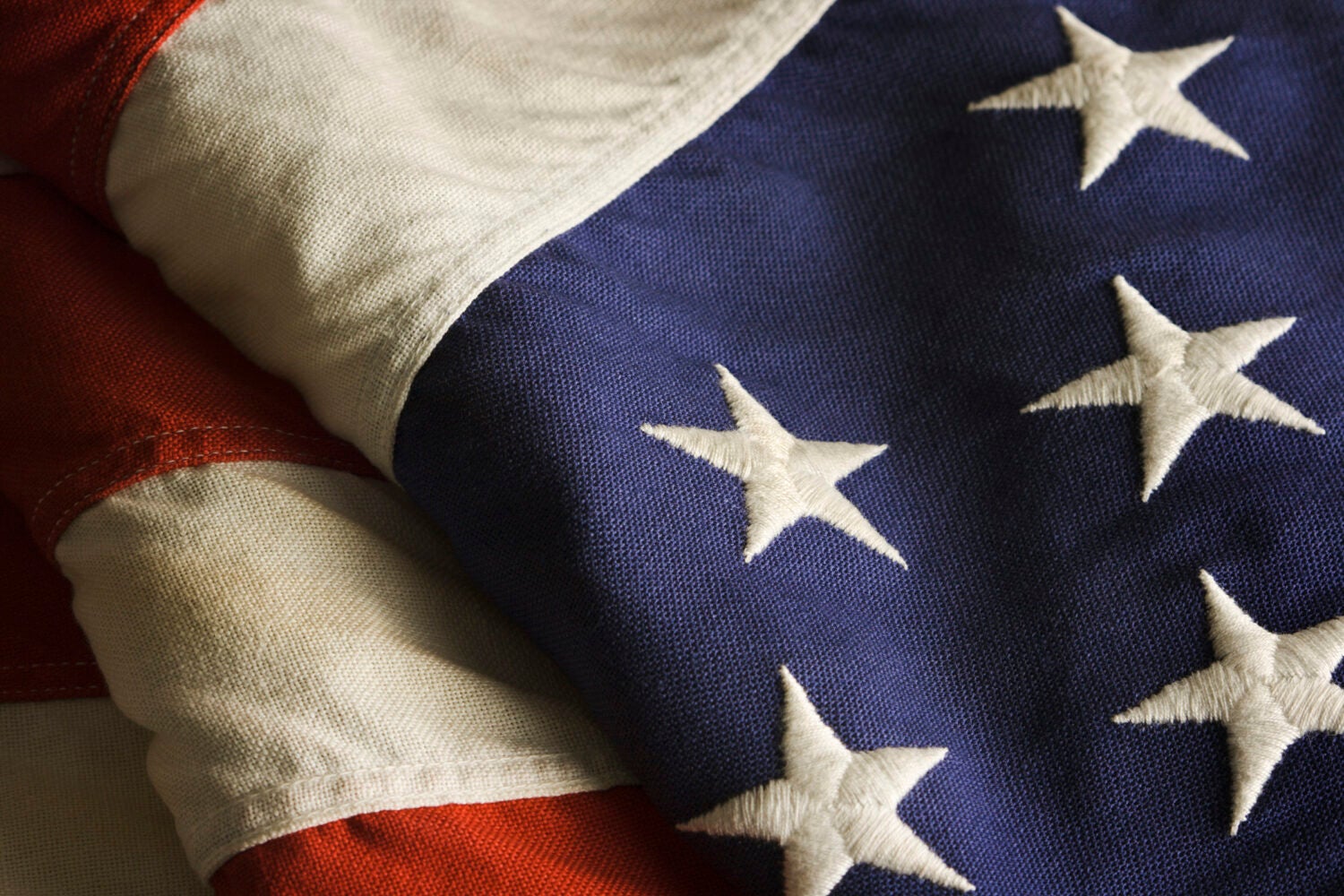
As we honor military veterans nationwide, Harvard Law Today shines a light on three students who served in the United States Armed Forces before coming to Harvard Law.
Sofia Bliek
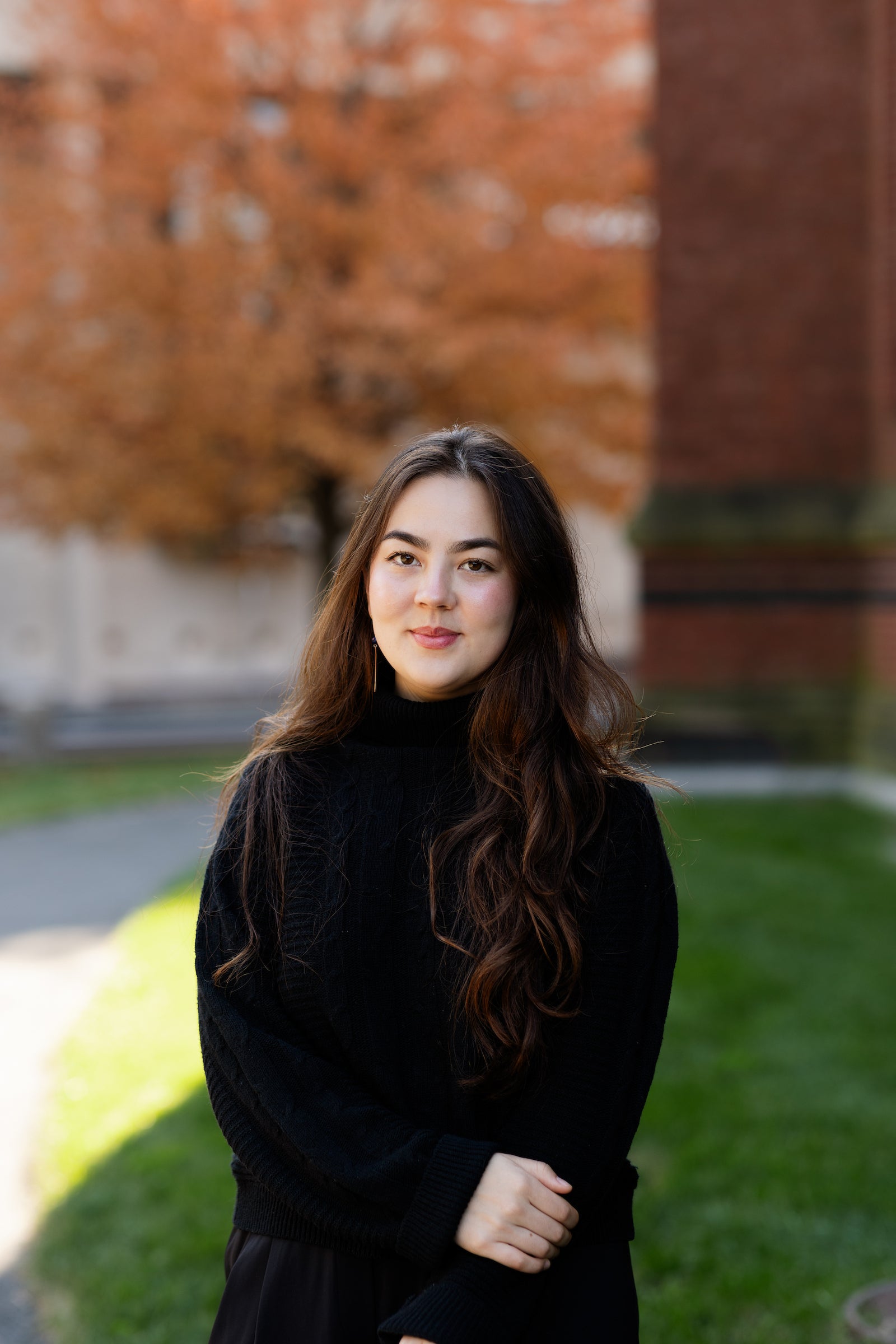
It was 2:30 a.m. one October night in 2024 when an alarm jolted Sofia Bliek ’29 awake. Something was wrong aboard the USS Chosin, a guided-missile cruiser docked in San Diego.
Warning bells had gone off in shaft alley, the lowest part of the 567-foot, Ticonderoga-class ship, near the stern housing large rotating shafts that connect the engine turbines to its propellers. Next came a warning over the intercom: The massive craft was taking on water.
And her job was to fix that.
“It was one of the scariest moments on duty,” said Bliek, then a naval lieutenant, surface warfare officer, and the Chosin’s damage control assistant in charge of a team of 30 first responders. Her blood was pumping as her training kicked in.
“I had to run down and take control of the situation and start directing people, figure out what was going on, deal with incoming reports, allocating resources, and then eventually communicating to my captain who was not on the ship at that point,” said Bliek, whose team isolated the leak within minutes.
Austin Griffin
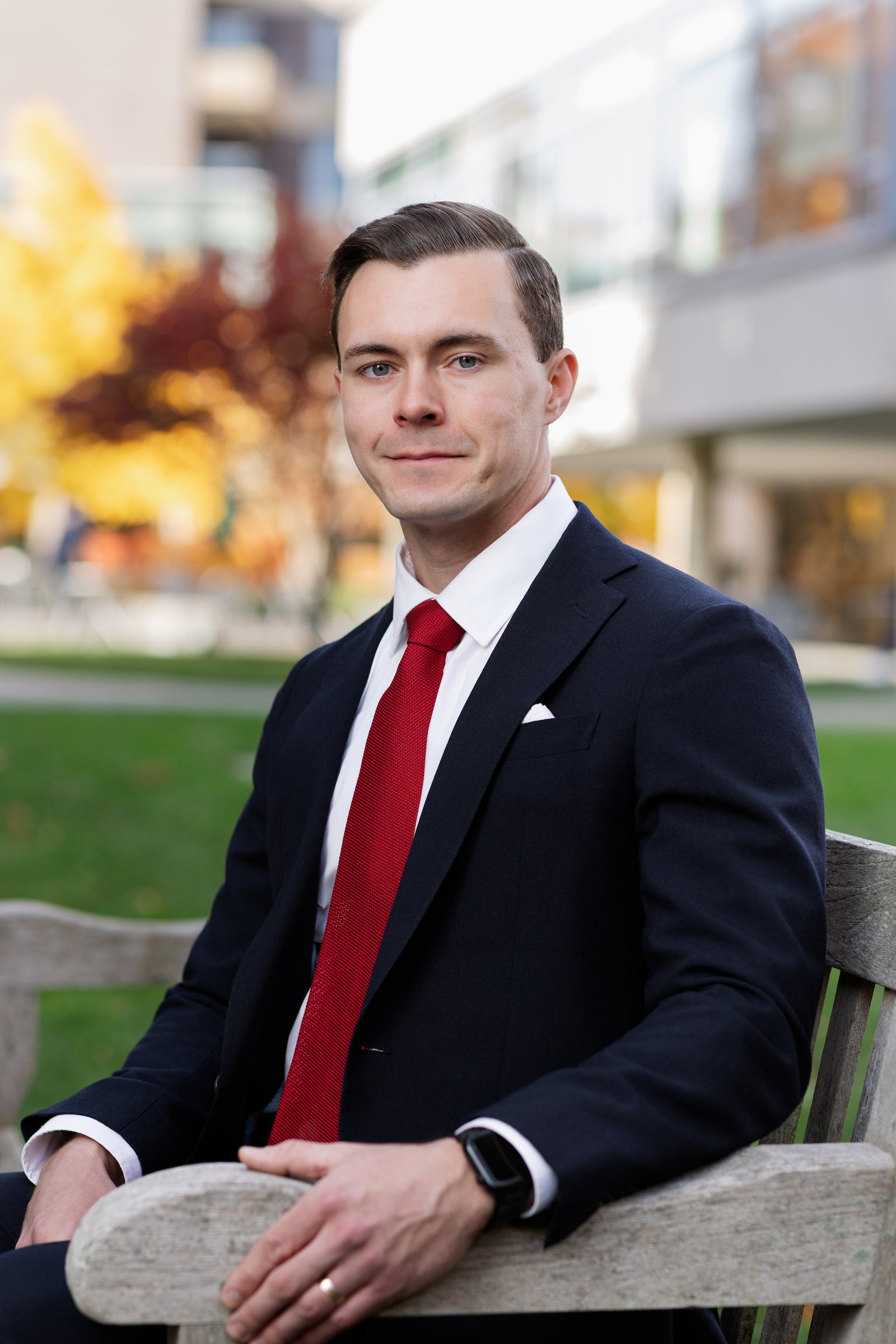
Austin Griffin ’29 was a company commander in the United States Army the first time he saw the stakes of legal decision-making directly.
Griffin, who led 45 service members, had received a report from one of his soldiers accusing another of spousal abuse. These were serious allegations, Griffin recalls — ones that would require careful handling to support everyone’s safety and dignity while respecting the legal rights of all involved.
“We suddenly had to balance all these different interests — showing empathy for everyone, including the accused soldier, while taking the allegation seriously and not just writing it off, and ensuring that we gave the legal investigators everything they needed to do their jobs,” Griffin recalls.
It was a lengthy process, and Griffin says he is proud of how he and his first sergeant ultimately handled the situation. But that challenging moment convinced Griffin that lawyers are just as important within the military as outside of it.
“There are a lot of legal questions that can impede the operations of a day-to-day unit, and I’m not even talking about bigger political questions like, Is this a legal order? I’m talking about the more common, smaller legal questions that can make an army unit run much less effectively,” he says.
The experience also confirmed Griffin’s long-held interest in attending law school, one fostered while growing up in Sylvester, Georgia — “an extremely small town in between two slightly bigger towns.”
Michael Bogdanos
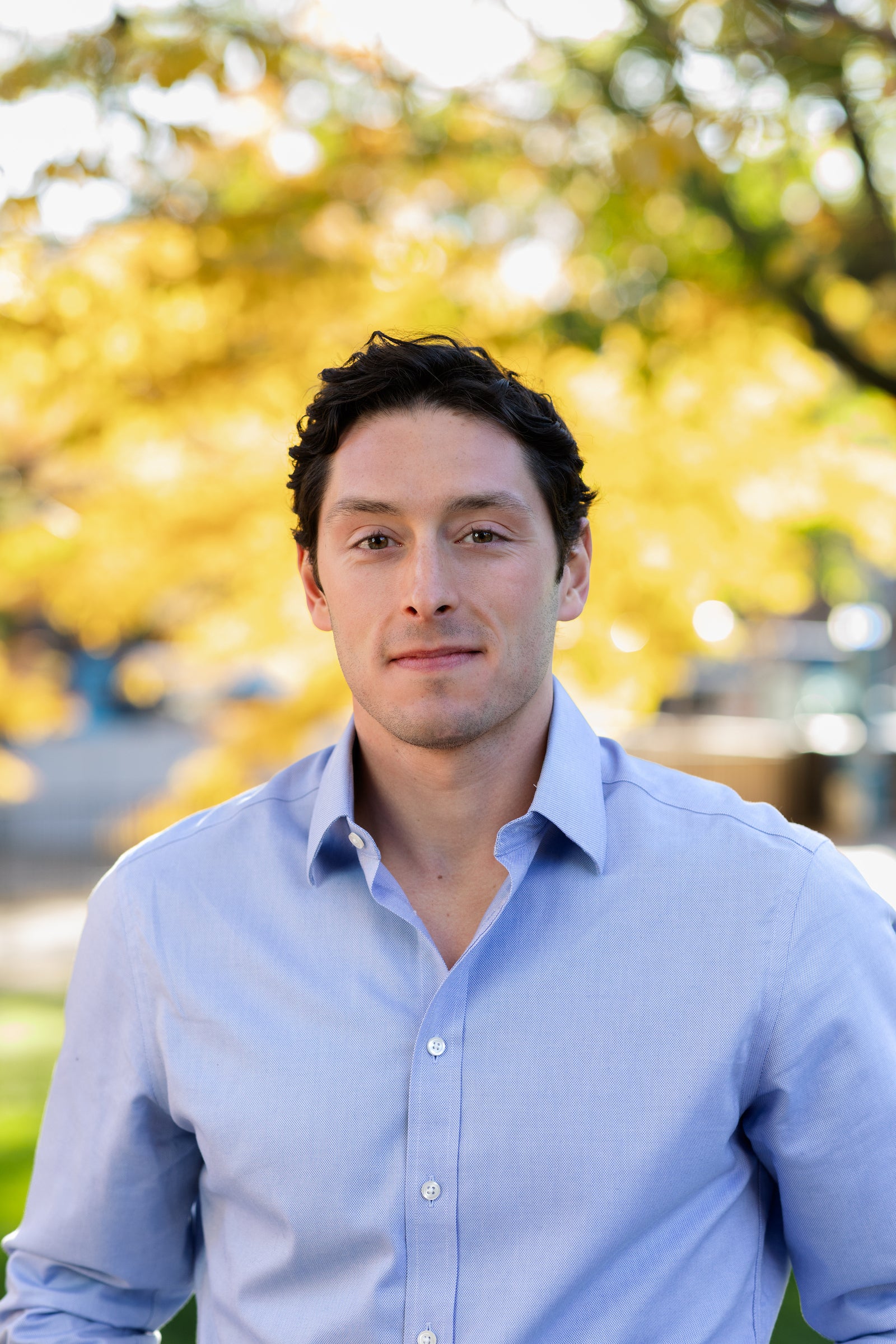
Born and raised in lower Manhattan, Michael S. Bogdanos ’29 is a true New Yorker. An early memory as a 3-year-old is of seeing a billowing cloud of smoke two blocks away through his window after terrorists attacked the Twin Towers on 9/11. He recalls escaping down the stairwell with his mom, little sister, and the family dogs.
As a city kid, Bogdanos played baseball and boxed. But he had never camped in the woods, let alone fired a rifle, before he joined the U.S. Marines in 2020. Yet he thrived there, ranking first in his class of 297 in officer training based on military skills — which includes physical fitness, tactics, weapons, and marksmanship — as well as on academics and leadership.
“The mindset I would try to have is, yes, you can come up with excuses of, ‘I’m at a material disadvantage because I don’t have hands-on experience,’” Bogdanos said. “But I tried to put that mindset completely out of play. I guess my focus is: Whatever disadvantages you think are operating are irrelevant. Everything you need to do well is given to you, and it’s really just up to you to take the tools, take the information, and execute.
“After that point where everyone has met the basic threshold [of physical fitness], there really is no accounting for the mental grit that really, really does play a huge role,” he said.
Want to stay up to date with Harvard Law Today? Sign up for our weekly newsletter.