
Spencer H. Boyer LL.M. ’66, who co-founded the Civil Rights–Civil Liberties Law Review at Harvard Law School as a student in 1966 and who went on to a long and storied career teaching at Howard University School of Law, died on November 14, 2025.
In his forward to the Civil Rights–Civil Liberties Law Review’s issue marking its 55th anniversary, Boyer reflected on the motivations behind the journal’s founding, recalling what he believed to be the urgent need for dedicated scholarship on civil rights and civil liberties during a period of “social upheaval, domestic discord and civil strife.”
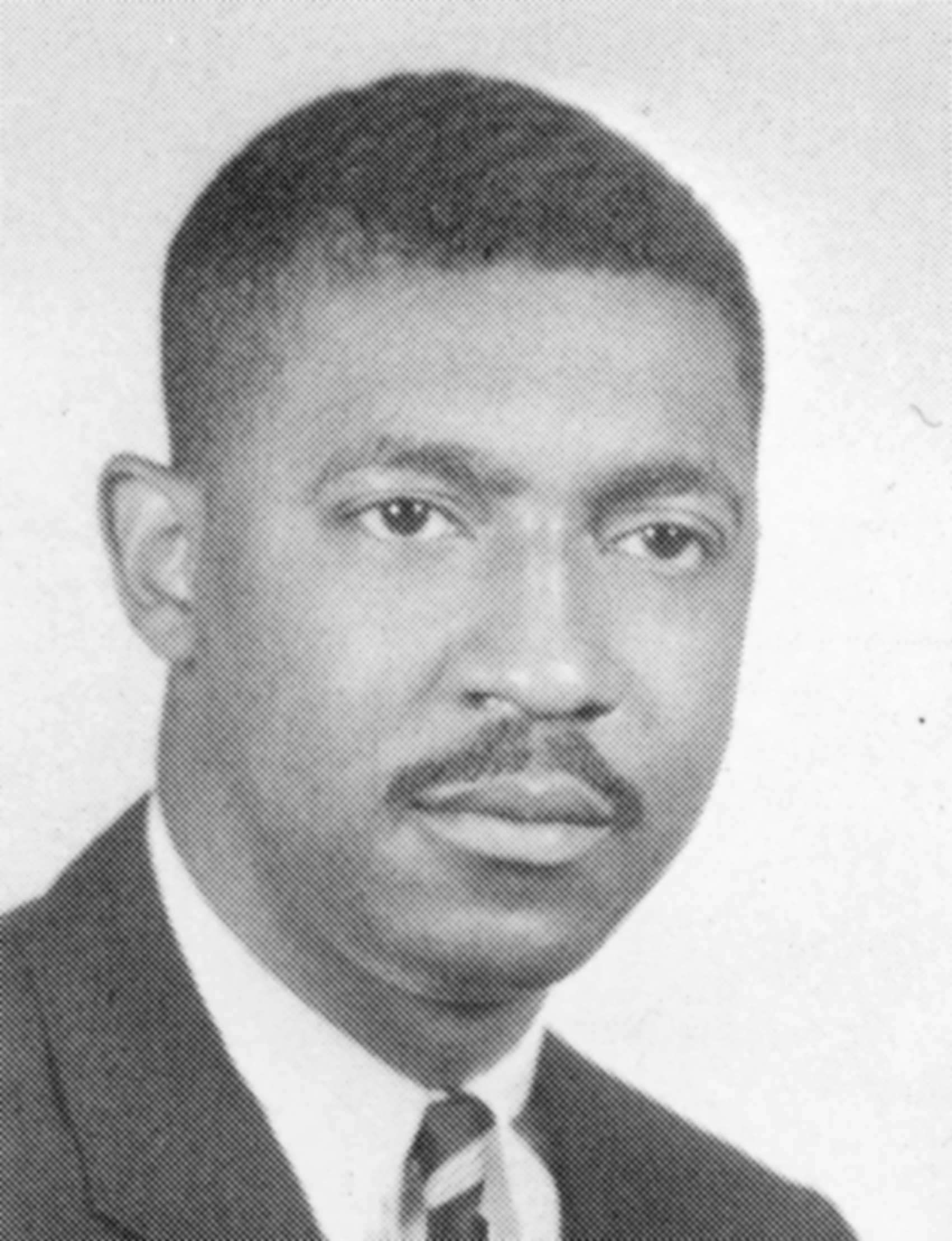
Having graduated from Howard University before earning his J.D. at George Washington University School of Law, Boyer imagined a journal modelled on the Howard Law Journal, which focused on civil rights and “the race problem,” he said in a 2021 article in Harvard Law Today.
“The ‘race problem,’” he explained, was not a problem of the Black race but rather “the use of white law as a cudgel against Black enfranchisement, equality and prosperity.”
The journal he co-founded at Harvard with classmates Joseph Meissner ’66 and Frank Partner ‘66, he said, “was meant to be a revolutionary law review that would provide southern lawyers with scholarly ammunition to fight de jure and de facto violations of civil rights.”
He added that the publication’s progressive ethos has persevered. The student-run organization continues to provide “those who represent individual clients and societal issues the ammunition to fight discrimination, whether it’s based in race, ethnicity, sex, gender, status, or any other identity,” he wrote in his forward. Over the years, it has been home to such notable alumni as Harvard University Professor Cass Sunstein ’78 and former President Barack Obama ’91.
After completing his LL.M. at Harvard, Boyer joined the faculty of Howard, where he taught for 50 years until his retirement in 2016. A leading attorney in the sports/entertainment field, he also represented many community and public interest organizations. And early in his career, Boyer was involved as counsel in the historic Watergate case, ultimately on the brief of United States v. Nixon before the U.S. Supreme Court.
At Howard, he received numerous awards for excellence in teaching. He offered a wide range of courses, including Entertainment Law, Civil Rights Law, Constitutional Law, Federal Taxation, and Patents, Trademarks, and Copyrights. Boyer wrote that he was proud to have taught “and in some small way helped to shape the lives and careers of over 4,000 Black law students.” They include legal practitioners, judges on both local and federal courts, CEOs of major corporations, mayors, members of Congress, presidents of universities, civil rights attorneys, and others.