Nonfiction

“Smog and Sunshine: The Surprising Story of How Los Angeles Cleaned Up Its Air,” by Ann Carlson ’89 (University of California Press)
Growing up in Orange County in the 1960s and ’70s, Ann Carlson experienced the smog the Los Angeles area was then known for. But now she says the city should be known for something else: its success in cleaning its air. A professor of environmental law at the UCLA School of Law who served as the acting administrator and chief counsel of the National Highway Traffic Safety Administration, Carlson details government efforts like the Clean Air Act, which facilitated the cleanup. She also highlights “corporate malfeasance and the massive harm it can do to public health and the environment,” in particular pointing to automakers that fought efforts to regulate emissions. While challenges remain to keep the air clean, Los Angeles provides an important model for how to address threats to the environment from climate change, she writes.
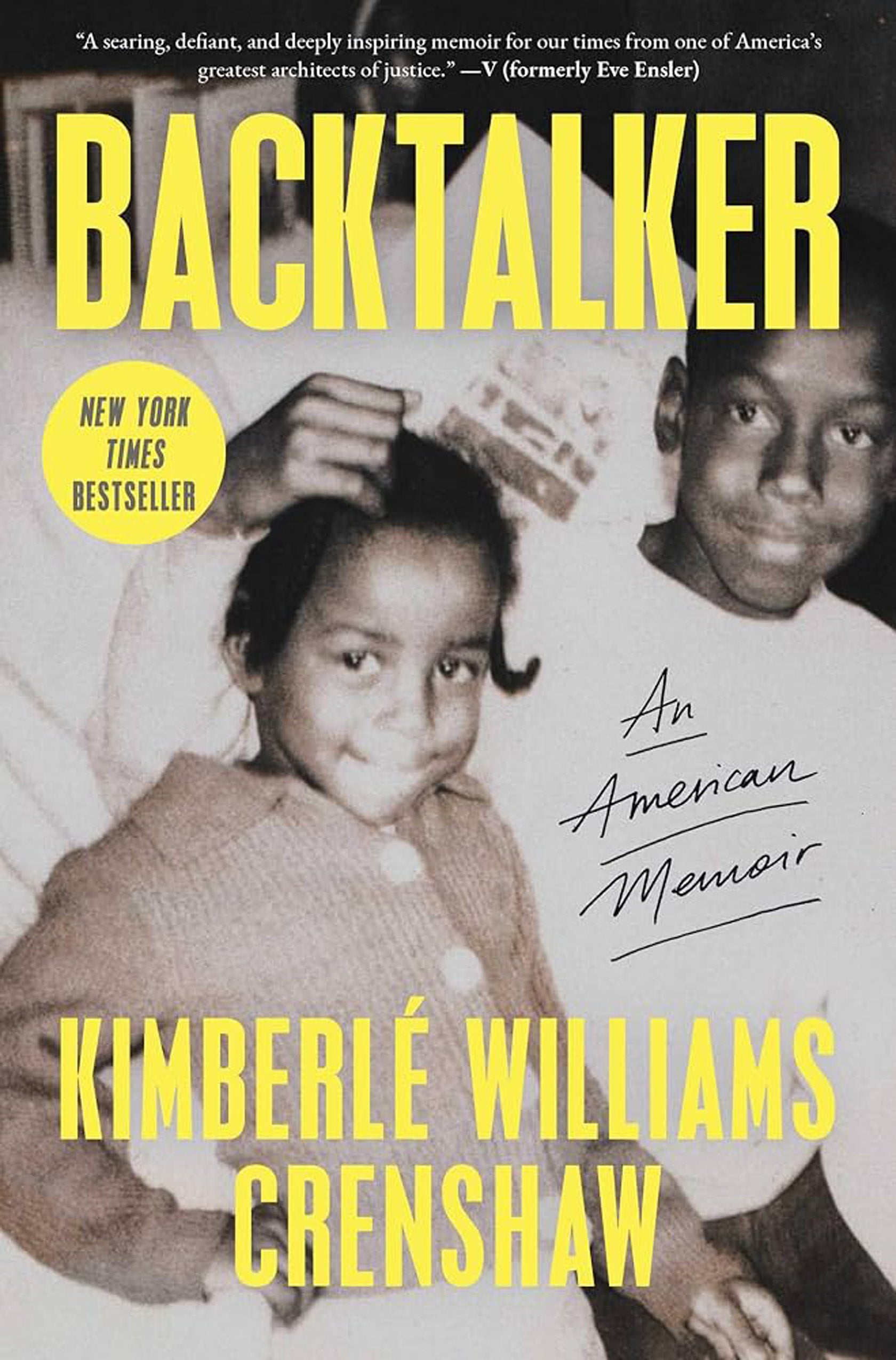
“Backtalker: An American Memoir,” by Kimberlé Williams Crenshaw ’84 (Simon & Schuster)
Kimberlé Williams Crenshaw, who introduced the concepts of critical race theory and intersectionality to examine and ameliorate the dual forces of racism and sexism, shares the life experiences and people that inspired her to speak out against social wrongs. The first half of the book chronicles her upbringing in Ohio as she fought against frequent instances of injustice, the powerful influence of her mother, and the tragedies that befell her family. A professor of law at the University of California, Los Angeles, she also details her Harvard Law experience, which exposed her to the critical legal studies movement. The book also considers the gender and racial dynamics of Clarence Thomas’ Supreme Court confirmation hearings, which she attended to support Anita Hill, and the O.J. Simpson trial. With her theories facing sustained pushback by conservatives and an “assault on history” underway, Crenshaw vows not to back down and to continue to talk back.
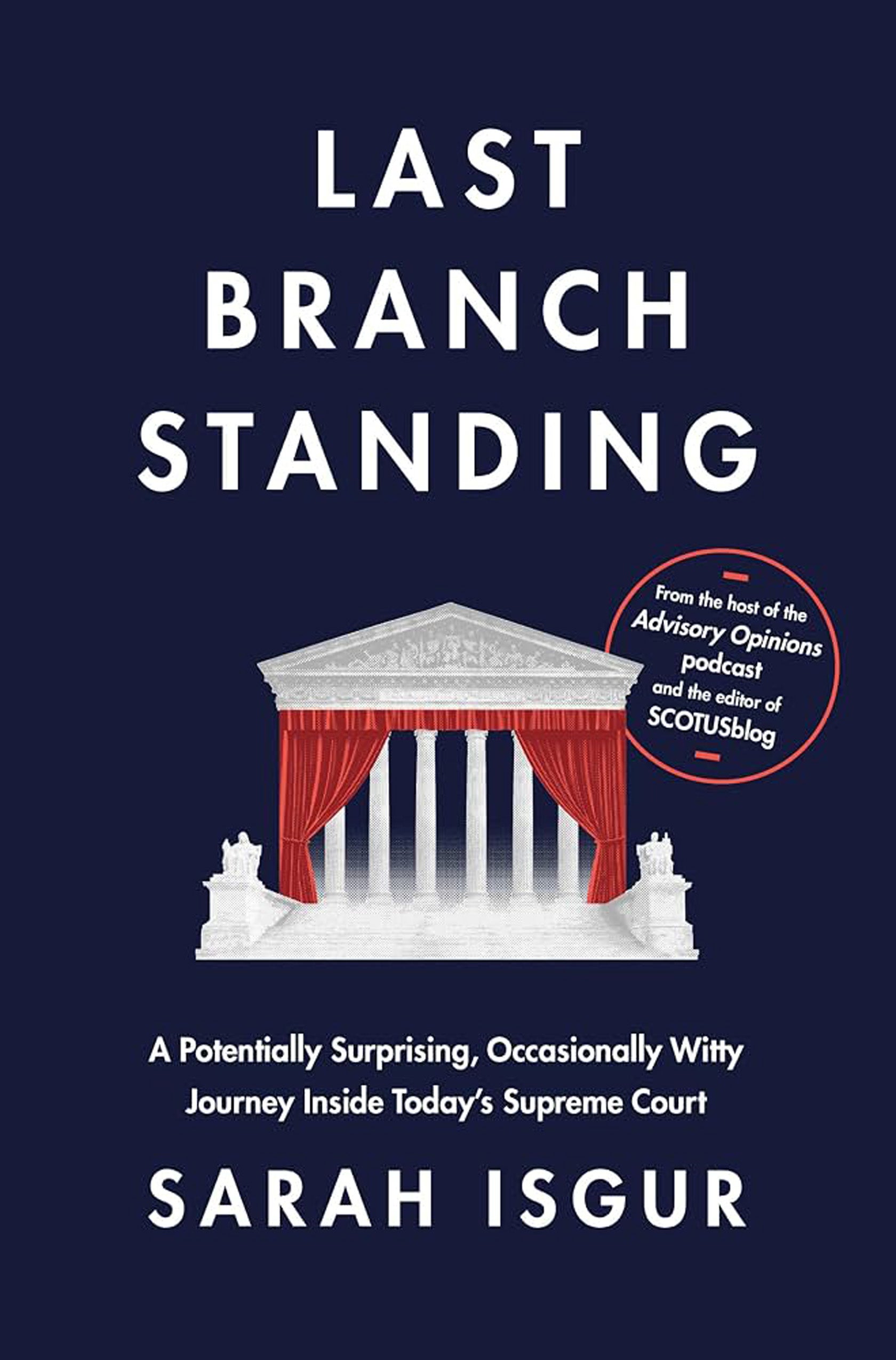
“Last Branch Standing: A Potentially Surprising, Occasionally Witty Journey Inside Today’s Supreme Court,” by Sarah Isgur ’08 (Crown)
With the majority of the American public now holding an unfavorable view of the Supreme Court, Sarah Isgur seeks to dispel the widespread belief that the justices are akin to politicians in robes. Isgur — who co-hosts the popular legal podcast “Advisory Opinions” with fellow alum David French ’94 — contends that the justices’ decisions are motivated not merely based on conservative or liberal viewpoints but by differing approaches on favoring precedent. She recounts the political history of the Court, including the proper role of judges and how they are supposed to interpret the Constitution. She also offers her personal views of the nine current justices, all of whom she admires. Since the U.S. now has a Congress that barely functions and a too-powerful executive branch, the Supreme Court has become the last branch standing by maintaining its integrity, Isgur argues.
“Understanding Harm: How the Law Should Assess Injury,” by Mark G. Kelman ’76 (New York University Press)
On the surface, it may seem easy to understand harm: Something happens that makes you worse off than you were before. Yet it is not so simple, particularly when it comes to the law, as outlined by Mark Kelman in his new book. The Stanford Law School professor evaluates harm in situations involving disability, poverty, discrimination, and sexual harassment. He determines, for example, that people overestimate how bad it would be to become disabled and that injuries associated with poverty like vulnerability to violence are devalued. “Our ethical and legal obligations can never be responsive simply to subjective reactions,” he writes. He also notes that “we must be extremely wary of believing that people are hurt because they lack something we think matters to them, whether it genuinely matters or not.”
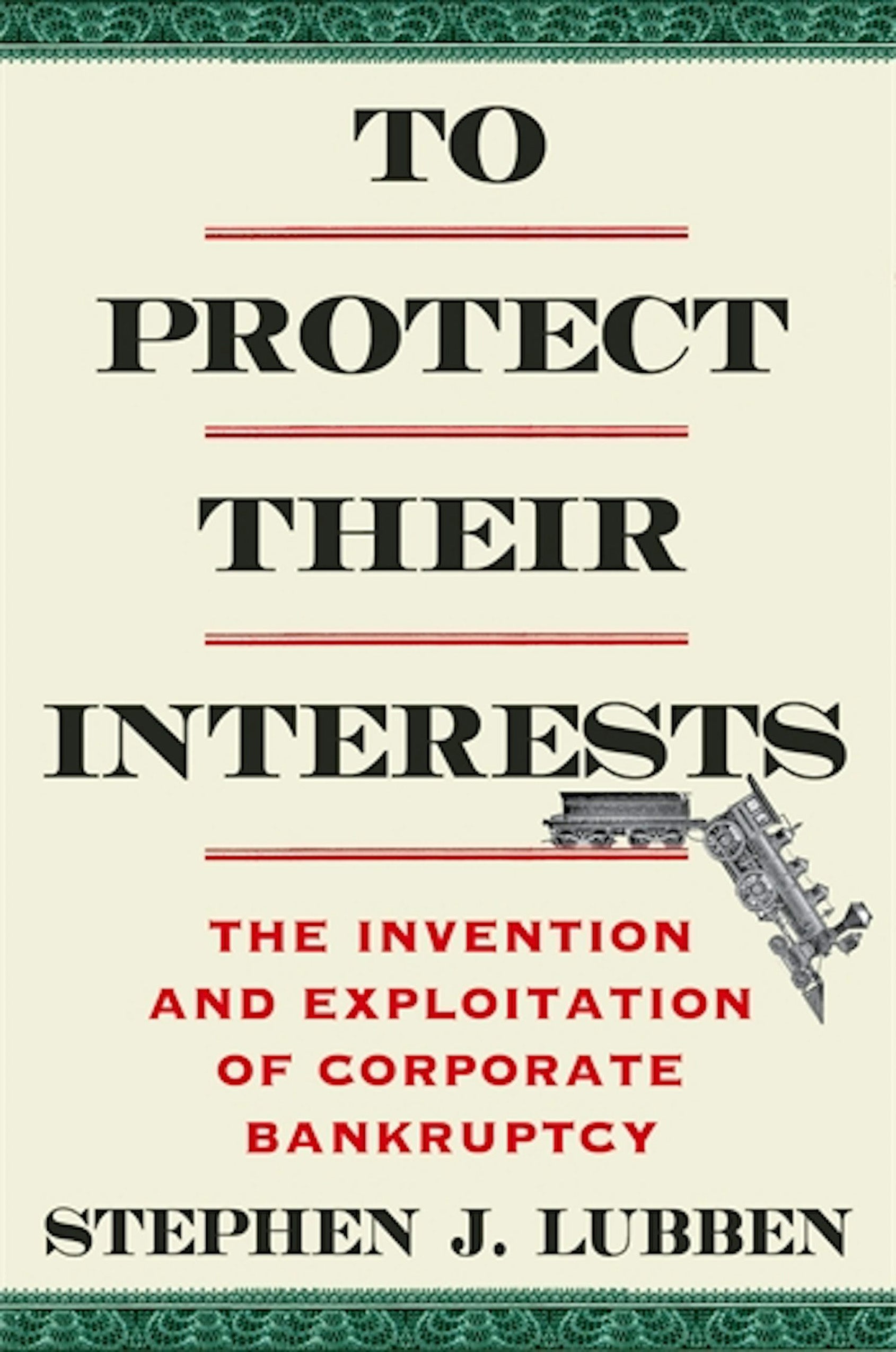
“To Protect Their Interests: The Invention and Exploitation of Corporate Bankruptcy,” by Stephen J. Lubben LL.M. ’00 (Columbia University Press)
Stephen Lubben, a professor at Seton Hall University School of Law, traces the history of corporate restructuring and recommends reforms to improve a system that “has always been about buying consent from those who could stop you, and imposing your will on those who could not.” He begins with early efforts at corporate restructuring, examining the 1885 receivership of the Texas and Pacific Railway Co. as an early example of a successful reorganization. The current Bankruptcy Code, enacted in 1978 to replace the New Deal corporate bankruptcy system, was designed to rely more heavily on markets than government and went too far in the deregulatory direction, the author argues. Featuring a review of landmark cases, the book highlights the importance of corporate bankruptcy in the American economy.
Fiction
“Magdalena Is Brighter Than You Think,” by Grace Spulak ’08 (Autumn House Press)
After growing up in a poor, single-parent household in New Mexico and then attending law school, Grace Spulak returned to her home state to work in family law and direct a nonprofit advocating for children in foster care and the juvenile justice system. With her first book of short stories, Spulak draws on these legal and personal experiences to illuminate the hard lives and fraught relationships of people on the margins of society. Characters are shaped by violence and trauma, like a child whose father killed her mother and brother, a widowed mother whose daughter has an eating disorder, and a new social worker investigating child endangerment. About her work, she writes, “I want to create empathy that is complicated, that does not belittle or excuse my characters.”
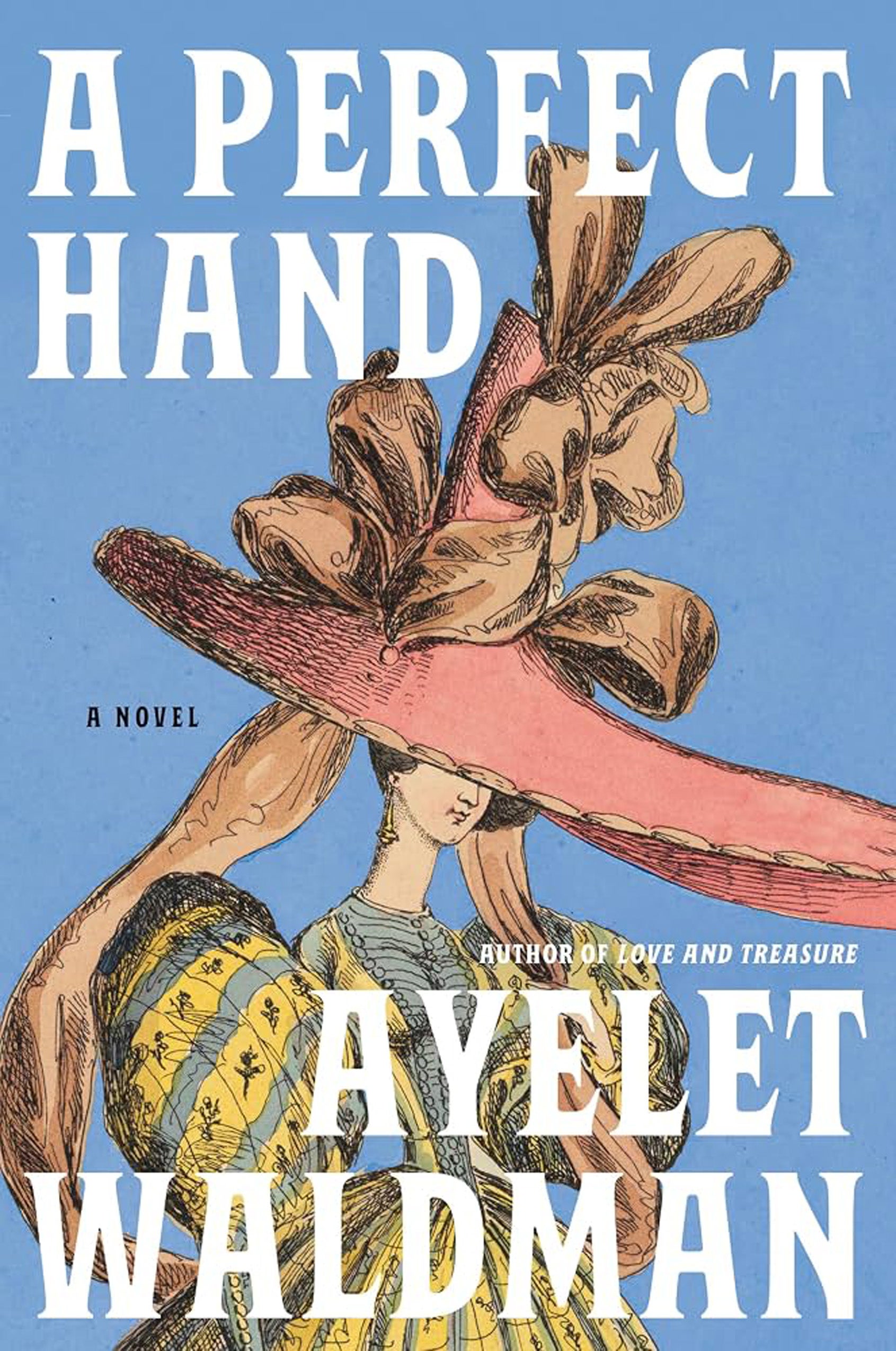
“A Perfect Hand,” by Ayelet Waldman ’91 (Alfred A. Knopf)
Bestselling author Ayelet Waldman channels Jane Austen with a love story set against a backdrop of societal and personal change. As the novel begins in the year 1879, its heroine, Alice Lockey, a maid to the imperious and malodorous Lady Jemima Alderwick, appears to have achieved the most a woman of her station in Victorian England could expect. Yet, Alice schemes to improve her lot by manipulating Lady Jemima into marrying the baronet who employs her love, his valet Charlie, so she can live in the same house with him. The story turns from affairs of the heart to affairs of state when Alice reads a pamphlet promoting women’s rights. It sparks a desire to better not only herself but all women as she embraces the suffragette cause, leading to “a most unusual and unexpected life.”
Children / Young Adult
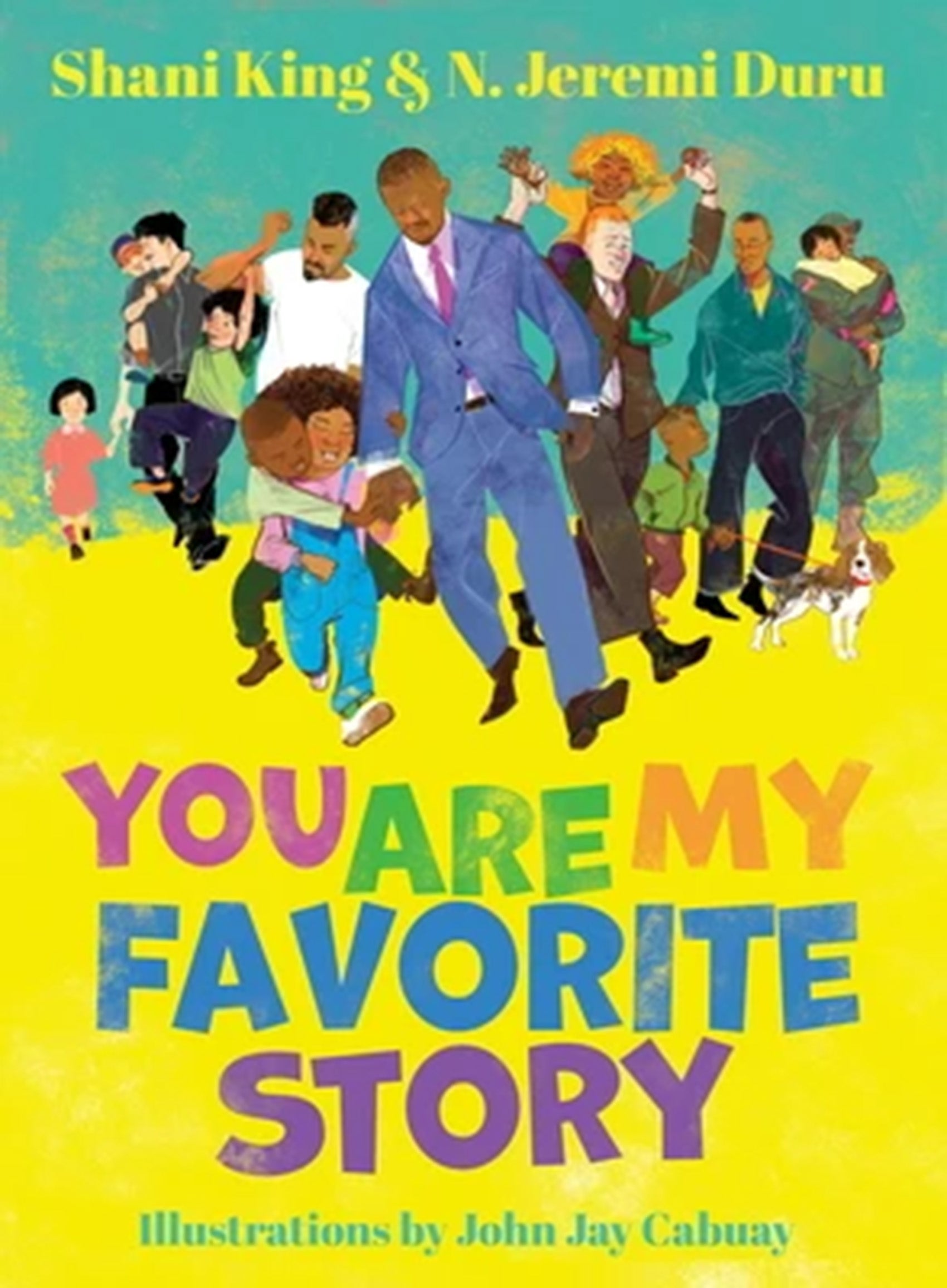
“You Are My Favorite Story,” by Shani King ’99 and N. Jeremi Duru ’99 (Fair Share Publishing)
When Shani King and N. Jeremi Duru were classmates and friends at Harvard Law School, they often talked about collaborating on a project someday. They probably wouldn’t have guessed it would be a children’s book. Today, the longtime friends and legal scholars are the authors of “You Are My Favorite Story,” written from the perspective of a father to his children. The book, illustrated by John Jay Cabuay, spotlights the pride, love, and hope of fatherhood — and the deep bonds between dads and their kids. The pair say their goal when writing the book was, first and foremost, to express their love and admiration for their families. But equally important to King and Duru was the chance to help people — and fathers, in particular — learn how to share their own feelings with their children.

“Fight Song,” by Kirk Van Brunt ’85 (Swift Water Books)
An author of several young adult novels, Kirk Van Brunt grew up on the Colville Reservation in Washington. His latest book centers on an Indigenous teenage girl, Nokes Lasley, who seeks to overcome her life circumstances to become an Olympic ice hockey player. She has a lot to overcome: her mother’s death when she was 5, her father’s imprisonment after a bar fight turns deadly, and the prejudice she faces because of her heritage. She flees abusive foster homes in her native Ontario, Canada, for Minnesota, hoping her father’s old friend, a hockey coach, will help her achieve her dream. She finds, however, that she cannot leave her old life completely behind.