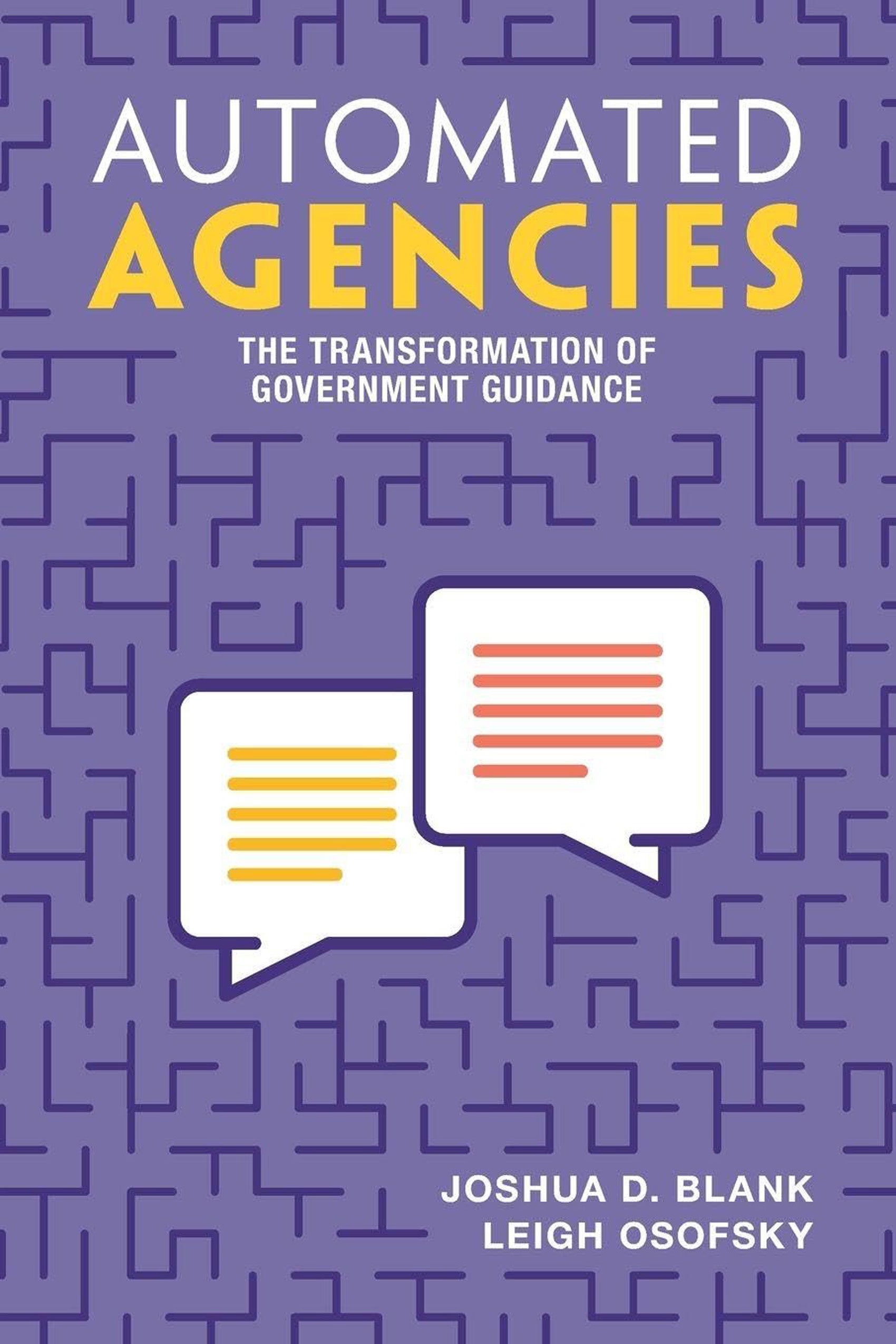
“Automated Agencies: The Transformation of Government Guidance,” by Joshua D. Blank ’02 and Leigh Osofsky (Cambridge University Press)
Law professor Joshua Blank (University of California, Irvine School of Law) and his co-author outline problems that can occur when government agencies use automation like chatbots to advise the public. Backed by case studies and interviews with federal agency officials, the book shows that automated advice on issues such as taxes or student aid can be inaccurate, with no recourse for those who follow the faulty information. This can be particularly costly to vulnerable people who cannot afford legal counsel, the authors say. They offer recommendations “to make this landscape as transparent, legitimate, and equitable as possible,” including allowing public input into designing the tools and building in the ability to challenge agencies when their automated advice deviates from the law.
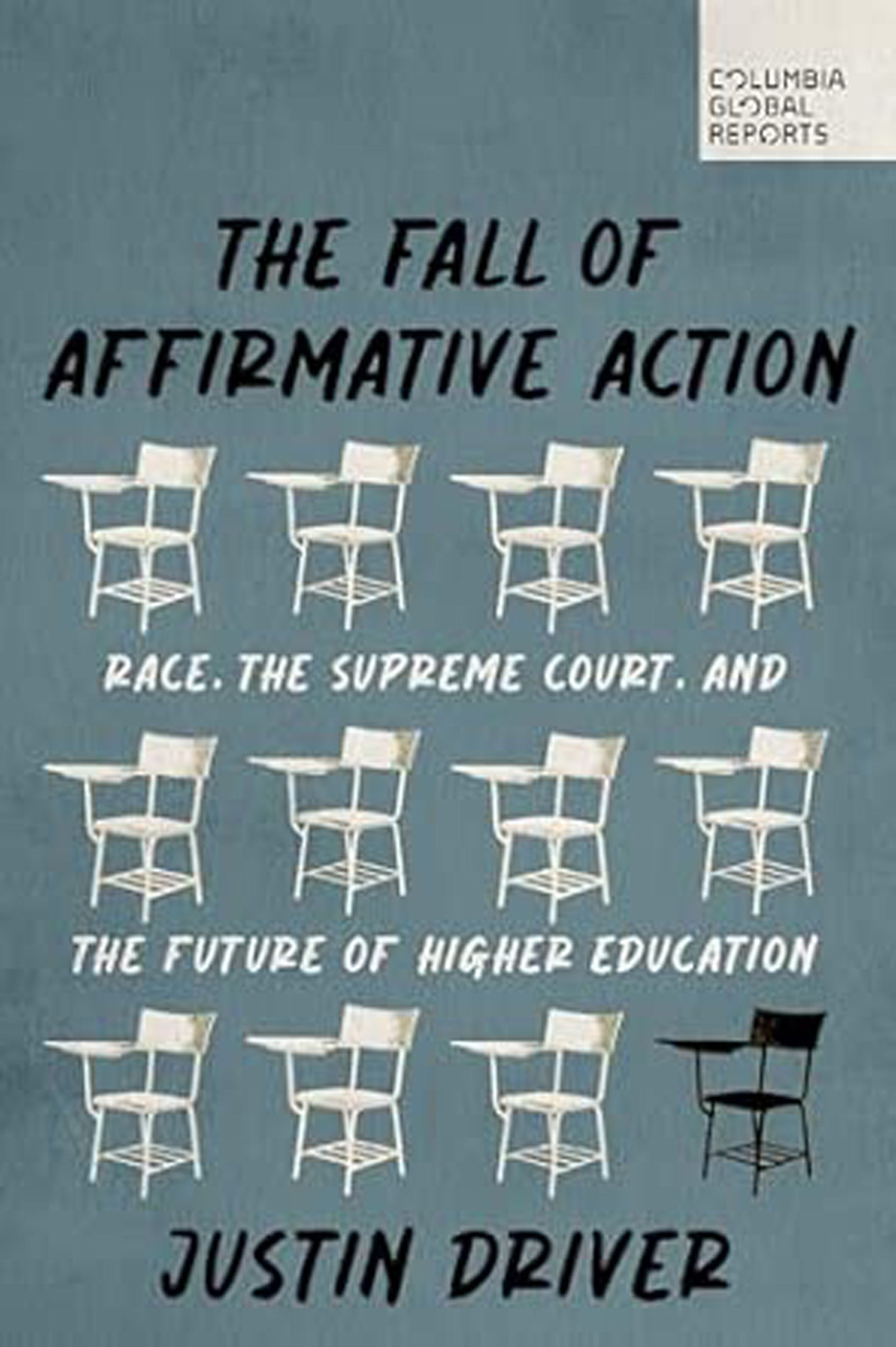
“The Fall of Affirmative Action: Race, the Supreme Court, and the Future of Higher Education,” by Justin Driver ’04 (Columbia Global Reports)
The 2023 Supreme Court decision in Students for Fair Admissions v. Harvard, which effectively banned affirmative action in education by eliminating the consideration of race among other factors in admissions, has been profoundly misunderstood, according to Yale Law School Professor Justin Driver. He contends that the decision will create a less desirable admissions model for conservatives by inspiring minority students to submit college essays focused on racial victimhood. He also challenges liberals who have failed to confront objections to affirmative action, such as the critique that it stigmatizes Black beneficiaries. In addition, the author outlines ways universities can still pursue racial diversity on campus, including preferences for immigrants and for candidates from disadvantaged economic backgrounds and from local schools. Affirmative action should be celebrated for being “an engine of mobility that shaped and improved modern America,” Driver writes, and, with that progress threatened by the SFFA decision, universities should commit to countering its effects.
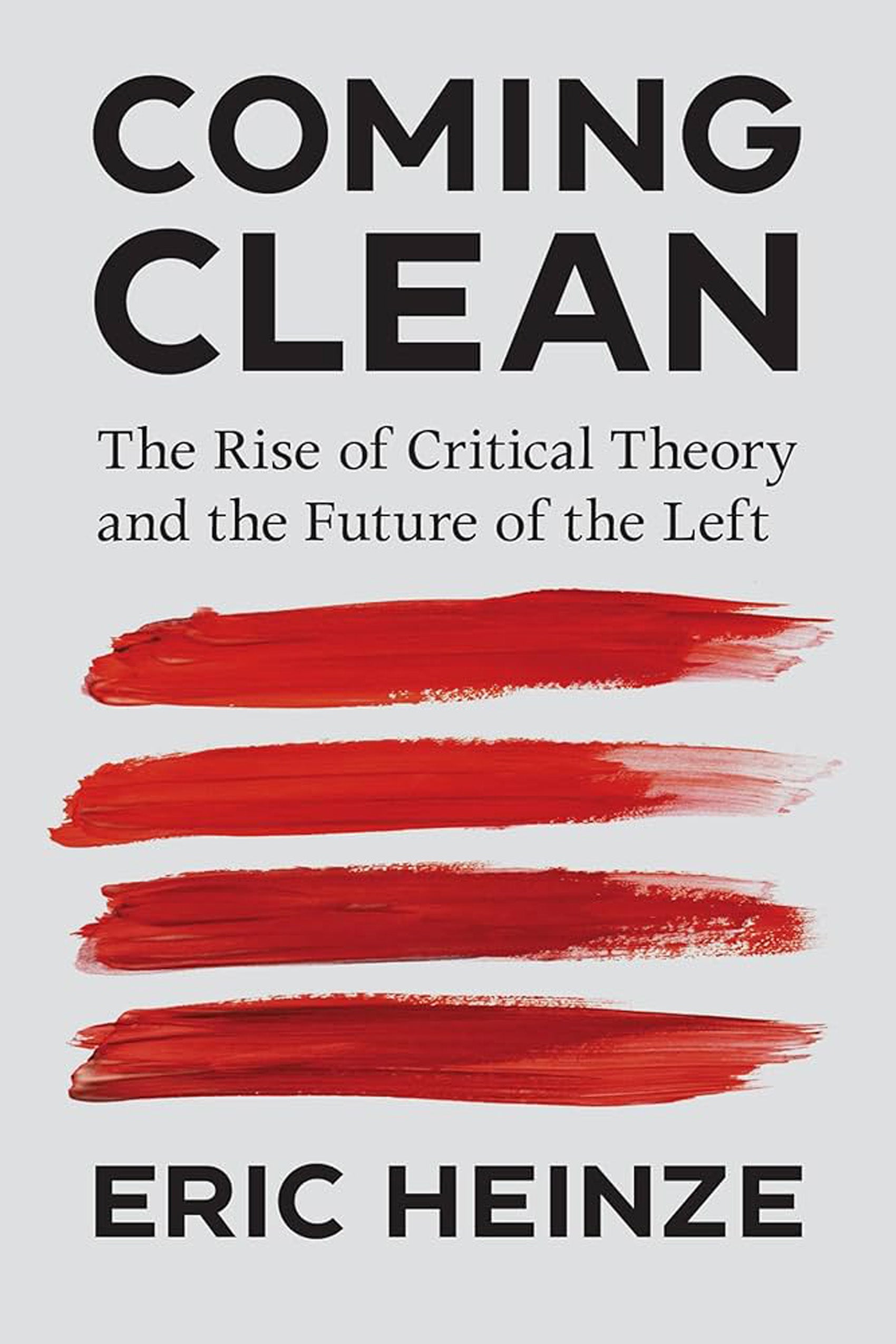
“Coming Clean: The Rise of Critical Theory and the Future of the Left,” by Eric Heinze ’91 (MIT Press)
Critical theorists rightfully seek to educate the public on the history of oppression perpetrated by Western societies, Eric Heinze asserts. However, “to rail tirelessly against wrongdoing by the West with little to say about wrongdoing in the history of the left is to push a one-sided history that does more to entrench simplistic binaries than to overcome them,” writes the professor of law and humanities at Queen Mary University of London. He cites examples of prominent leftists’ commentary on issues ranging from Russia’s invasion of Ukraine to the treatment of LGBTQ+ people in Cuba to show a pattern of support for autocratic regimes on the left. That erodes the lefts credibility, he writes, and provides an opening for the right to tell the story of the left’s errors far more brazenly.
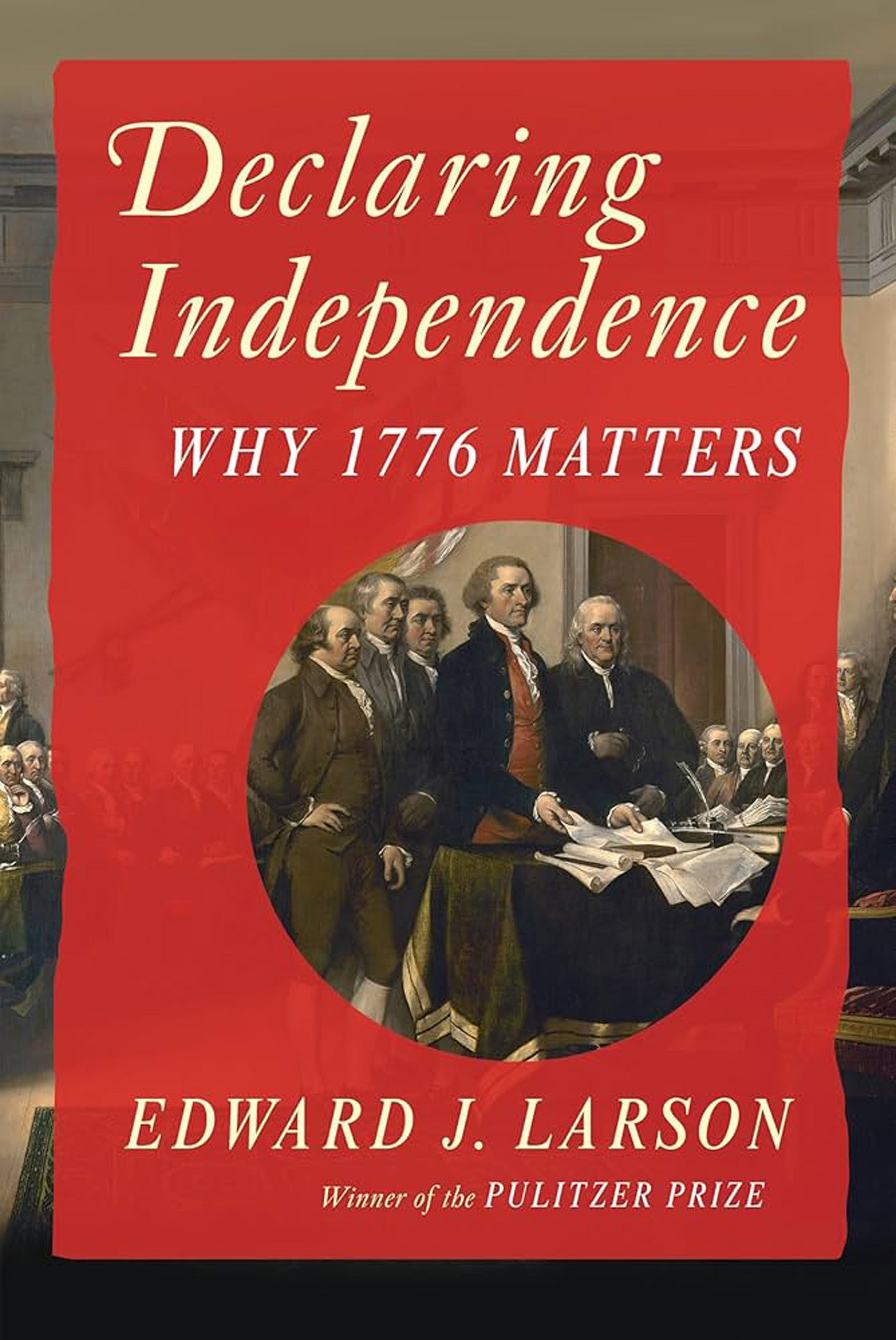
“Declaring Independence: Why 1776 Matters,” by Edward J. Larson ’79 (W. W. Norton)
Pulitzer Prize-winning historian Edward Larson chronicles a year that inspired colonists to believe that America should become an independent nation. The professor of history and law at Pepperdine University writes that prior to 1776, most living in the colonies were content to live under British rule. But events of the year changed that, beginning with a New Year’s Day fire ignited by a British Royal Navy cannonade in Norfolk, Virginia, and the January publication of Thomas Paine’s “world-shattering” treatise, “Common Sense,” calling for liberty from British rule. The author details other key developments, including the creation and adoption of the Declaration of Independence, in a year that “marked a turning point in the human quest for liberty and equality under popular rule within the context of national independence.”
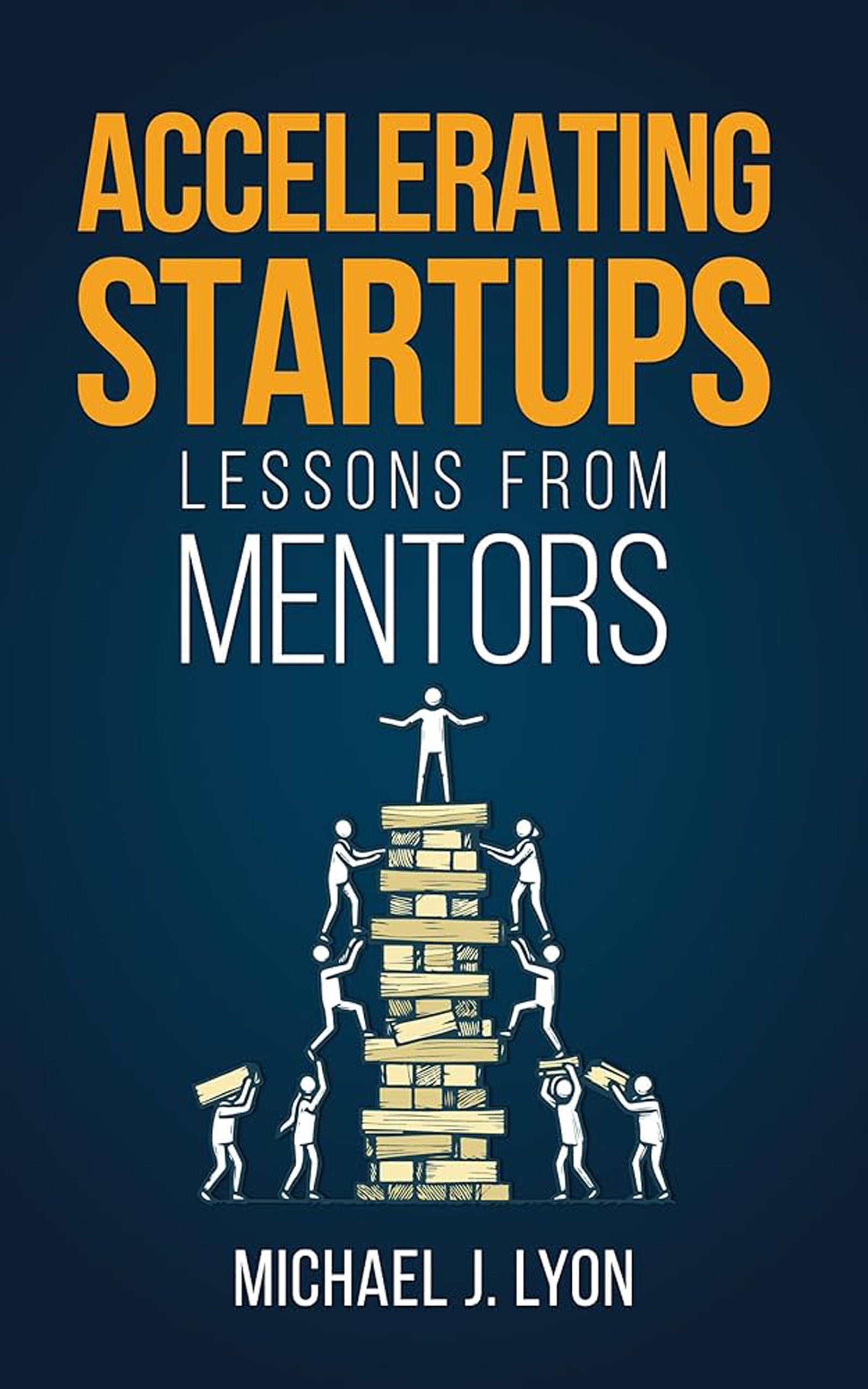
“Accelerating Startups: Lessons From Mentors,” by Michael J. Lyon ’84 (Jump Start Books)
Based on his experience as a mentor with the Creative Destruction Lab accelerator program at the University of Toronto and as general counsel of multiple startup companies, Michael Lyon’s book offers practical guidance to startup founders or those considering becoming one. He examines the qualities someone needs to launch a startup, such as the ability to persevere through hardship, manage risk, and welcome feedback. Successful founders identify the right problem — and the product to address it — and can tell an effective story about the business, he writes. He also provides tips on raising money, handling legal issues, building a team, marketing, and generating revenue. For those who have experienced the challenges of being involved with a startup, he recommends that they mentor aspiring entrepreneurs, as he has done.
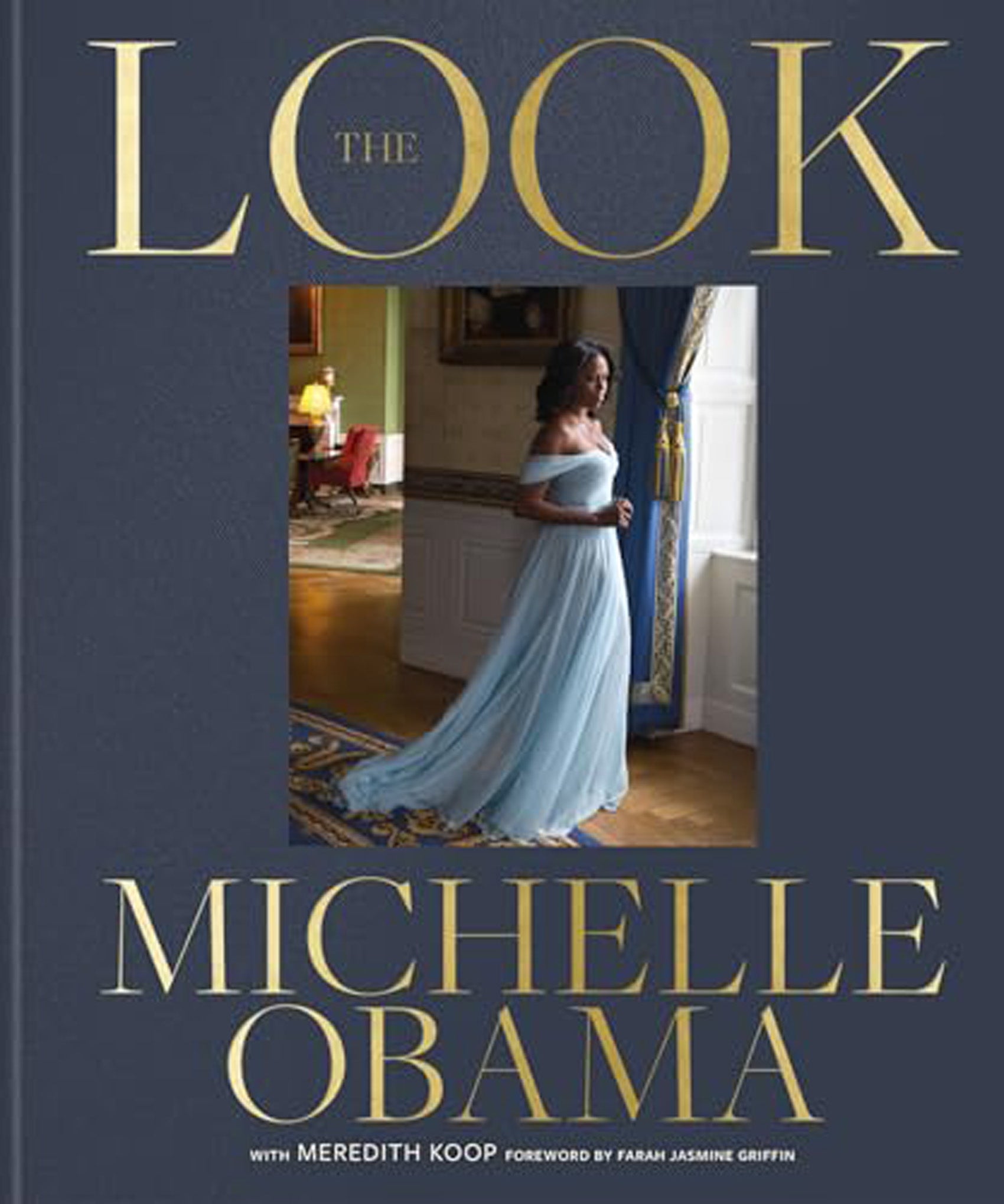
“The Look,” by Michelle Obama ’88 (Crown)
From the first time she picked out a dress as a little girl at Sears in Chicago, Michelle Obama learned “an enduring lesson in the power of clothes to shape not just how others view us, but how we feel about ourselves.” Her new book presents her life’s journey through fashion as she faced intense scrutiny of her appearance on the national stage, particularly as the first Black first lady. The more than 200 photographs showcase her style evolution (including her much-discussed bangs) through state occasions, international trips, and everyday moments. She observes that once she got people’s attention for what she was wearing, they listened to what she had to say. “How you dress,” writes Obama, “is a crucial part of how you discover and assert your identity and connect with your community and history.”
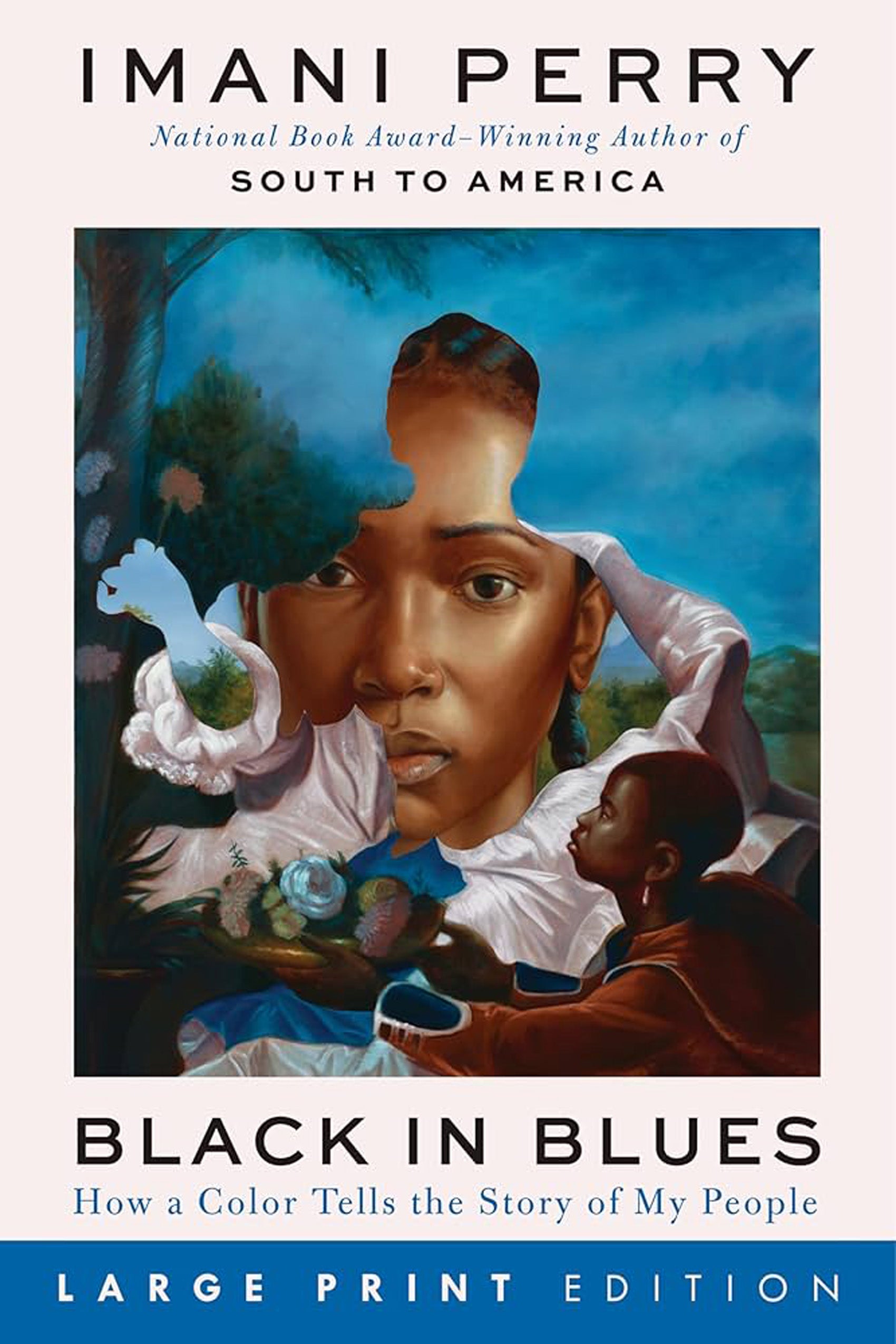
“Black in Blues: How a Color Tells the Story of My People,” by Imani Perry ’00 (Ecco)
National Book Award-winning author Imani Perry explores “the mystery of blue and its alchemy in the lives of Black folk” through U.S. and world history, folklore, literature, and music. Her reflections begin in Africa, where craftspeople used indigo dye; the dye was also used in the slave trade in exchange for human beings. Other vignettes focus on how the color is integrated into the work of notable African American authors like Amiri Baraka and Toni Morrison, narratives surrounding blue-eyed Black people, Egyptian blue in Alabama, and the meaning of blues music. Perry, a Harvard University professor, learned to love the color in her grandmother’s blue bedroom, a refuge from the dangers of the outside world for a Black person. “She taught me that we who have the blues also have beauty,” she writes. “Both beauty and the blues, inside and out.”

“Fashion and Intellectual Property,” edited by David Tan LL.M. ’99, Jeanne Fromer ’02, and Dev Gangjee (Cambridge University Press)
The editors present a collection of essays exploring how intellectual property laws affect the multibillion-dollar global fashion industry. Sections of the book explore theoretical perspectives on the meaning of fashion and its role in contemporary society; how established intellectual property doctrines apply to fashion; business models that skirt intellectual property infringement; and issues related to the protection of traditional craftsmanship. The industry suffered massive losses because of the COVID-19 pandemic, the editors write, and fashion brands are now more likely to assert their intellectual property rights to protect their businesses.
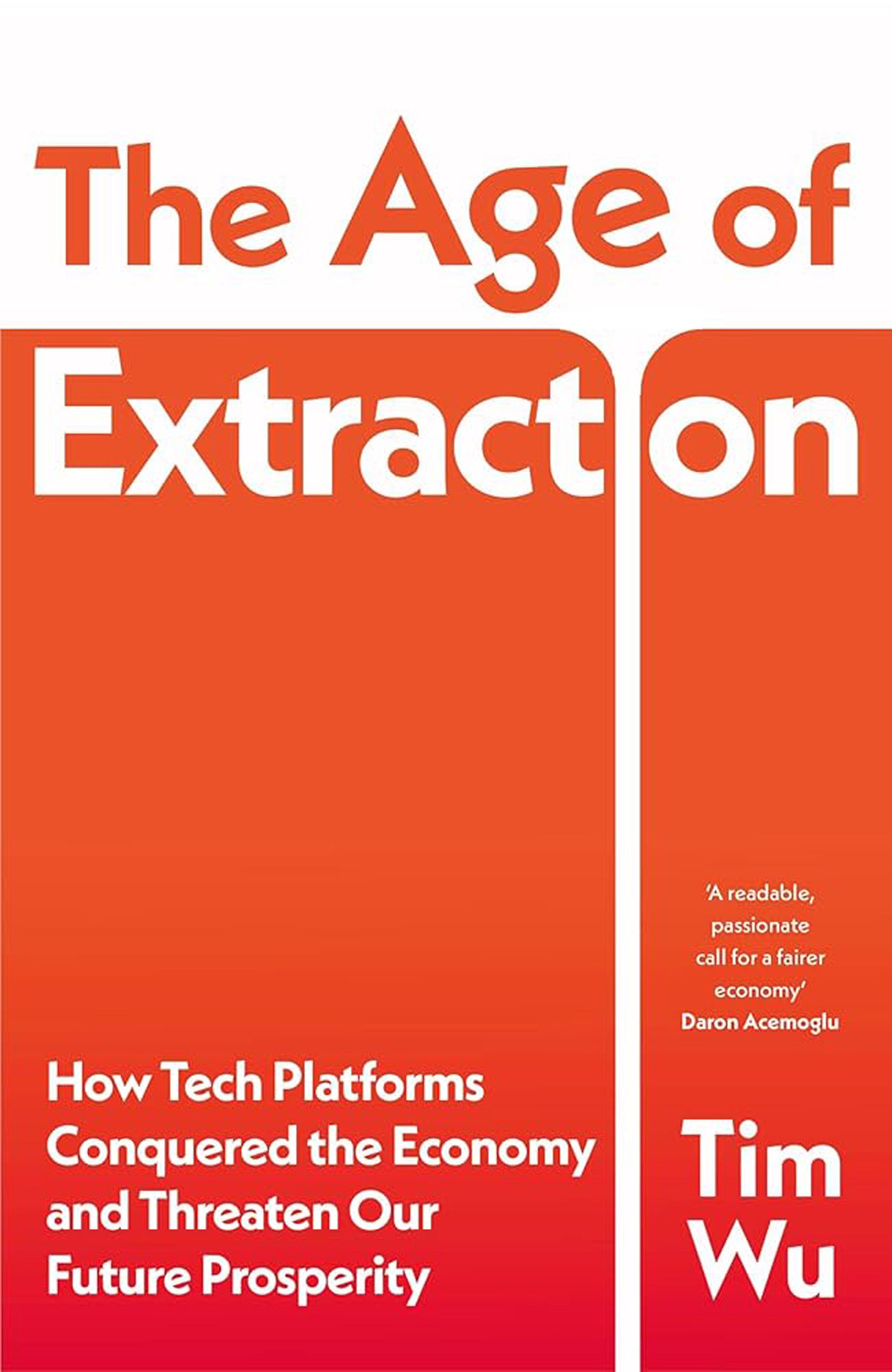
“The Age of Extraction: How Tech Platforms Conquered the Economy and Threaten Our Future Prosperity,” by Tim Wu ’98 (Alfred A. Knopf)
In an age when the world has been transformed by technology such as smartphones and artificial intelligence, we are experiencing “a sense that as we augment humanity, we may, at the same time, have come to marginalize actual humans,” writes Tim Wu, professor of law, science, and technology at Columbia Law School. Alongside this technological shift has come a sense of economic marginalization, as tech platforms are now designed to extract wealth from the broader economy, he writes. He explores why the internet revolution did not produce the widespread prosperity and democracy many predicted. To strengthen the broader economy, he calls for a “structural rebalancing” based on anti-monopoly policies designed to check tech platforms’ aggregation of power.