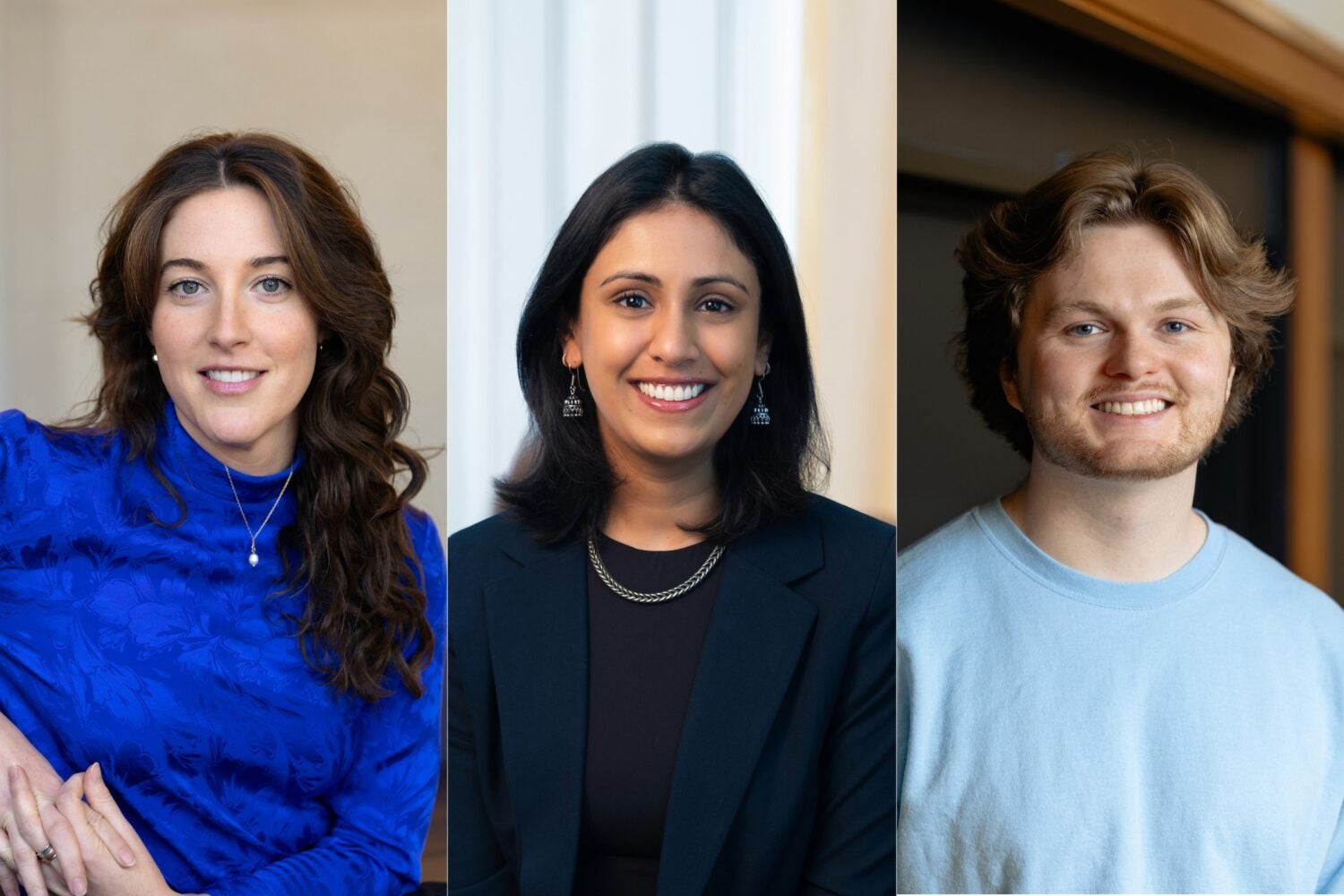
Indonesia. Switzerland. Ghana. These are just a few of the countries that Harvard Law School students traveled to for independent research projects or clinical placements during the three-week winter term. Many of the students received funding from the law school’s Winter Term International Travel Grants program, which supports their work with an international, transnational, or comparative law focus.
This year, 12 students undertook projects as Cravath International Fellows in 12 countries. Their work and advocacy focused on topics ranging from cyberlaw to restorative justice. Here is a look at the experiences of three students.
Finlay Adamson ’27
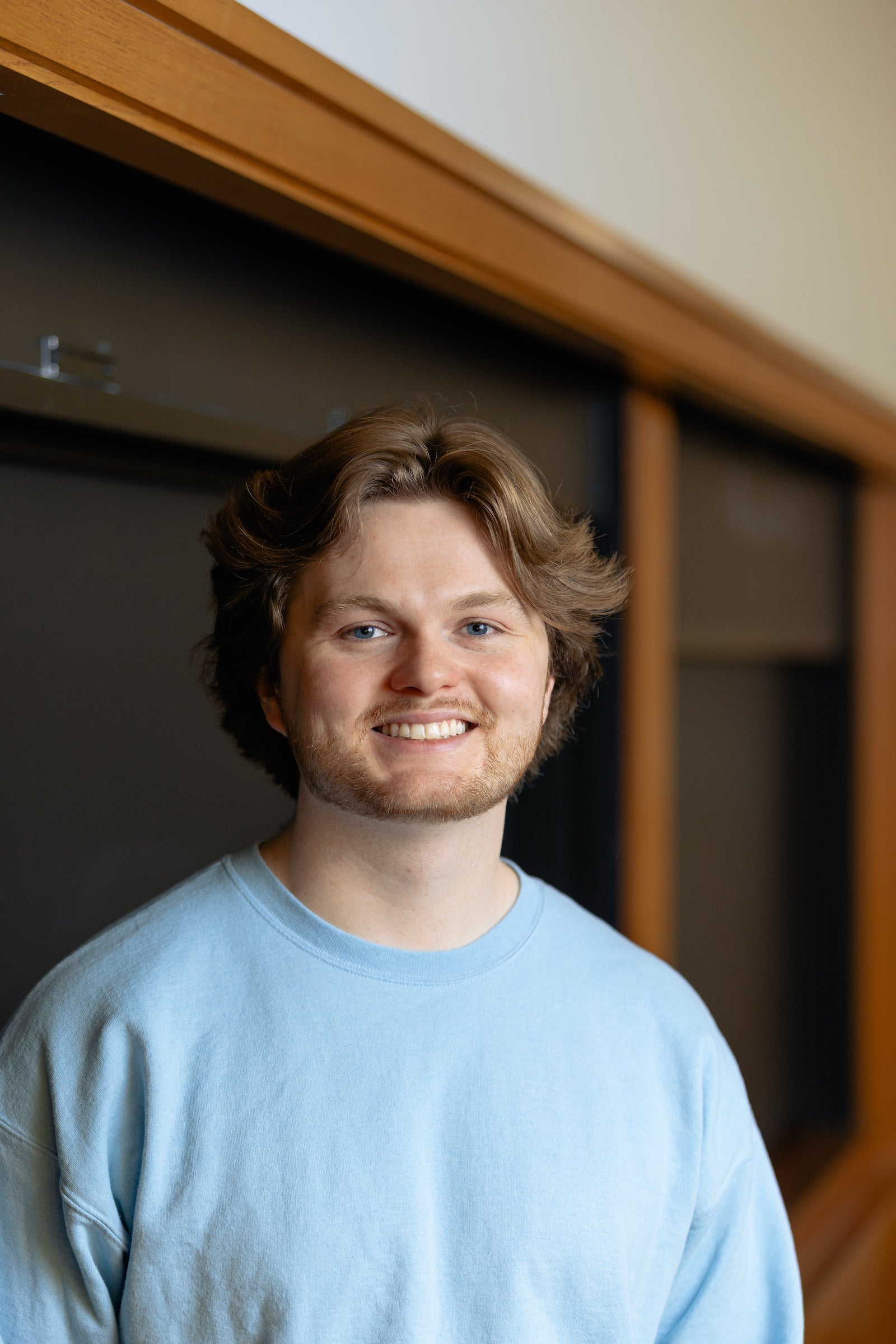
For his fellowship, Finlay Adamson ’27 traveled to Bulgaria to study the segregation of Roma youth in the country’s public schools and, in particular, how the state, the European Union, and nongovernmental organizations work together — or not — to address the issue.
Adamson had some familiarity with the problem. Before law school, he worked for two years as an English teaching assistant in a Bulgarian high school through Fulbright grants. He also worked as a grant coordinator for a community center, helping to secure 20,000 euros from the European Commission for employment programs for young Roma mothers.
That experience and his interests in labor and education issues helped lead him to Harvard Law School, where he works as a research assistant for the Center for Labor and a Just Economy and participates in the Youth Advocacy and Policy Lab directed by Professor Michael Gregory.
“I became intimately aware of the relationship between NGOs and the EU and how they, in some ways, bypassed the Bulgarian state,” Adamson said. “It left me with many unanswered questions that I hoped to learn about as a law student. One of the most important is understanding the way vulnerable people interact with the social welfare systems in countries in the EU,” the European Union.
Adamson observed that research showed that in 1990, 50% of Roma children attended segregated schools whereas in 2024, 70% did.
Over the winter term, Adamson traveled to three Bulgarian cities — Varna, Veliko Tarnovo, and Sofia — and interviewed representatives from NGOs in each. Using methods he learned in Gregory’s Art of Social Change class, he asked questions about specific initiatives to address segregation and about how each organization works with the state, the EU, and other private actors to secure funding.
Since the country’s transition to democracy more than three decades ago, “there has been a sea change in how social welfare occurs,” Adamson said. “It used to be that the state dominated administration of these programs. Now the state has a receding role and there are a lot more actors in the private sector. Each actor has their own goals, motivations, and visions for what the space should look like.”
Local leaders are sometimes eager to address school segregation in their communities because the Roma people are such a large part of their population, he added. “If they don’t find some way to meaningfully integrate Roma into society, they’re looking at a demographic collapse.”
Eventually, Adamson hopes to present his findings at academic conferences in Bulgaria. He’s also considering how to apply what he’s learned abroad in the United States. He’s done some of that through his work with the Center for Labor and a Just Economy. Last year, he worked on model legislation that could be used in this country to introduce sectoral bargaining at the state or local level. His research included information on bargaining systems in Uruguay, South Africa, Germany, and the Netherlands.
“Sometimes to answer questions at home, you have to look abroad,” he said.
Katie Kraska ’26
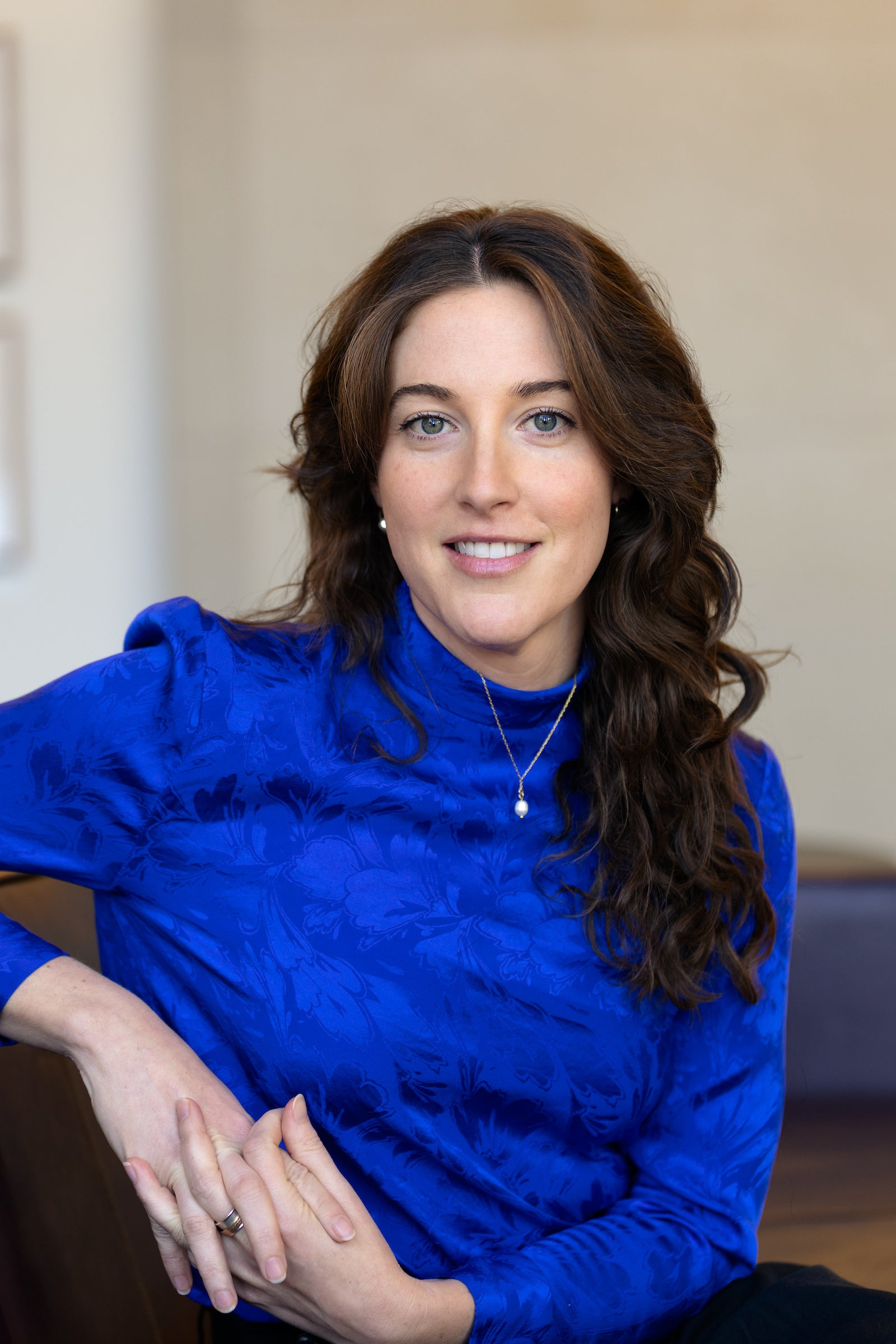
After she completed her undergraduate degree in biology and art history, Katie Kraska ’26 spent a year on a Fulbright grant studying the impact of international conservation efforts on local communities and wildlife conservation in Indonesia.
For her winter term fellowship, she returned to that country to research environmental and human rights issues — including in the domestic food supply, nickel mining, and the maritime industry — for the Indonesia Ocean Justice Initiative. Some of Kraska’s maritime work involved the law of the sea. She previously dealt with that international treaty as a legal intern at the National Oceanic and Atmospheric Administration and as a research assistant for Visiting Professor of Law and John Harvey Gregory Lecturer on World Organization James Kraska (no relation).
Kraska spent several years working on legislative and policy issues for the American Society for the Prevention of Cruelty to Animals before deciding to go to law school.
“I learned a lot from doing government relations work,” she said. But she also found herself needing to consult attorneys at nearly every turn. “I wanted to know the other dimensions of the process so I could — in my brain — be a one-stop shop.”
Kraska said she wanted her work in Indonesia to be guided by the needs of the organization she was supporting.
“First and foremost, I wanted to plug in where it would be the most helpful,” she said. At Harvard Law, she has focused on food law, including authoring a memo for the Food Law and Policy Clinic on the legal frameworks governing aquaculture. In Indonesia, she studied the government’s efforts to support so-called blue foods, which come from the marine environment. She also researched the nickel mining industry. Nickel is an essential component in the batteries that power electric vehicles and store solar energy, but its extraction and refinement has led in Indonesia to deforestation and water contamination, among other harms, according to a United Nations report last year.
“Organizations like IOJI are concerned about human rights and environmental damage and how to balance the interests of development and providing economic opportunity for people but also ensuring local livelihoods like fishing are not being negatively impacted,” she said.
Nickel looms large in the country. Indonesia produces 65% of the world’s supply. Kraska presented her work on nickel mining — including relevant oversight mechanisms and supply chain information — to IOJI’s staff members.
“It was a big-picture survey of the issue so they can take that information and make strategy decisions,” she said. “It is super important to them to center the communities that are impacted.”
Kraska, who will join Covington & Burling’s regulatory practice after graduation, hopes to bridge the gap between law and policy in her future work. In Indonesia, she said, she learned a lot about “how global and domestic decisions can have trickle-down effects through supply chains,” especially in the transition to green energy around the world. “We have to make sure as an international community that we are not shooting ourselves in the foot by not thinking through the downstream impacts,” she said. “That’s something I didn’t fully appreciate until I was there on the ground.”
Monica Dey ’26
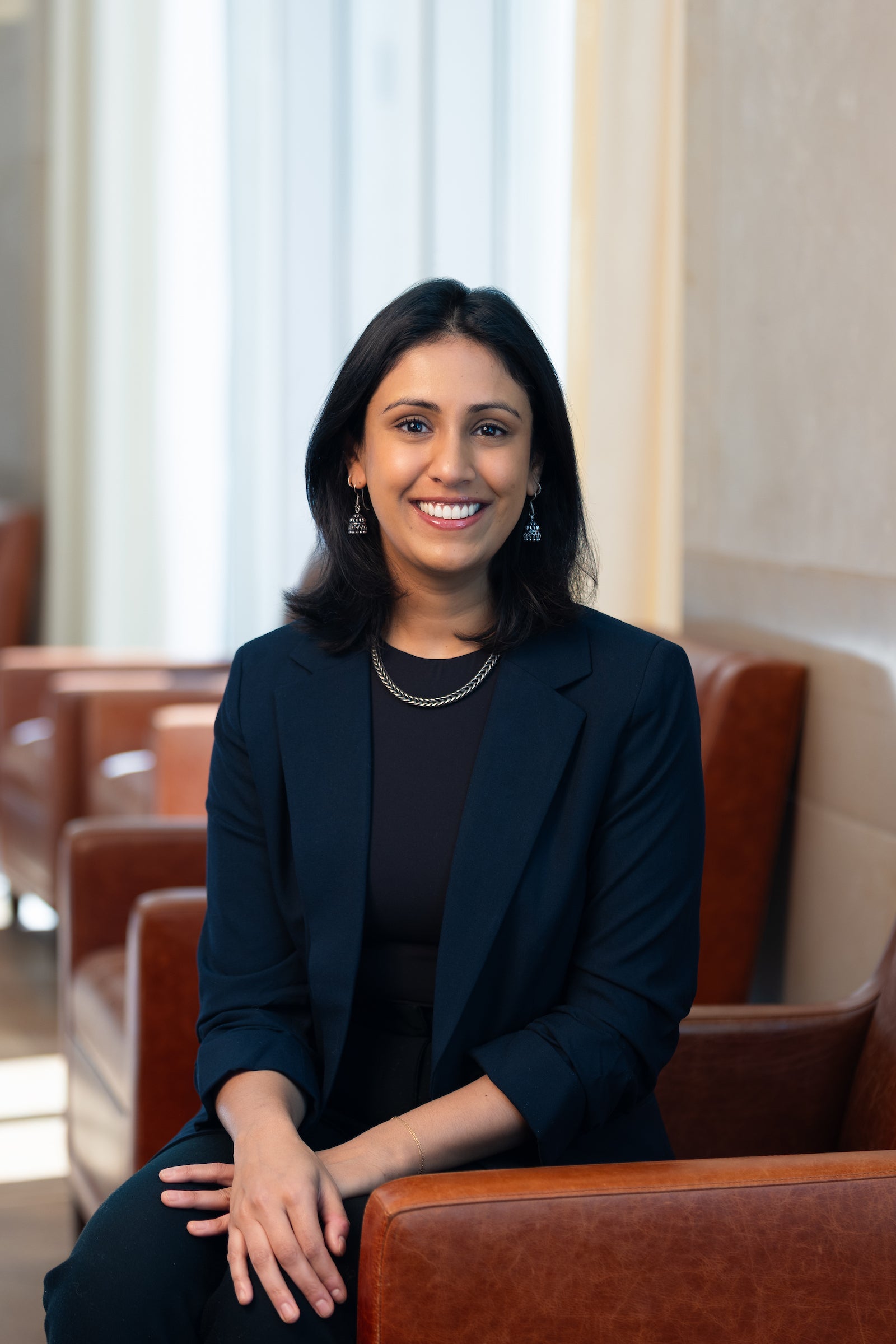
As an intern with the United Kingdom’s Public Defender Service (PDS) during the winter term, Monica Dey ’26 spent a week in a criminal Crown Court taking notes on witness testimony and brainstorming trial strategy with the solicitor-advocate defending a person accused of rape.
For the future public defender — Dey will start a position at the Massachusetts Committee for Public Counsel Services in the fall — the experience was an opportunity to learn more about the criminal legal system in another country.
Dey had approached the agency about an internship without an introduction or a reference.
“I sent a cold email,” she said, and then “the stars really aligned.”
Charlotte Robinson ’18, the head of solicitors for PDS, wrote back to Dey and eventually supervised her work over three weeks in London and Cheltenham.
Dey hoped to build on her experience with litigation in general and public defense in particular. At Harvard Law, she has worked at the Harvard Legal Aid Bureau representing low-earning workers in wage theft, minimum wage, and overtime cases. She also is a student attorney in the Harvard Prison Legal Assistance Project and last summer was a law clerk at the Public Defender Service for the District of Columbia.
“The J-term is such a unique time to be able to explore something I wouldn’t necessarily have the time or opportunity to do once I start working,” Dey said. “I wanted to better understand a legal system that is relatively similar to ours.”
Dey, who worked in international development in Africa for eight years before starting law school, was drawn to criminal defense work because of its focus on individual people and their stories.
“All these different strands of things I’ve enjoyed doing — advocating for marginalized people, public speaking, storytelling — come to a head in public defense,” she said. “There’s something so powerful about learning someone’s story and then doing your best to honor that story in a way that makes sense within the structure of the law.”
One of the most interesting parts of her fellowship, Dey said, was seeing how the U.K.’s criminal legal system is different from and similar to that of the United States. One major difference is that U.K. jurors can draw adverse inferences from defendants’ silence in some cases, which is a significant difference from the U.S, where defendants are protected by the Fifth Amendment.”
In addition to working on the rape trial, Dey was able to hear directly from PDS clients about their experiences in the criminal legal system in the United Kingdom. She also put together detailed guides for the four PDS offices that include resources for clients facing issues with housing, food insecurity, or addiction.
“Being a student in the United States, I’m exposed primarily to U.S. legal culture,” Dey said. “Realizing that there are legal systems that don’t approach problems in the same way did make me think more deeply about our system and what works well and what doesn’t.”
Want to stay up to date with Harvard Law Today? Sign up for our weekly newsletter.