Nicoly (“Nikki”) Santos is a Clinical Advocacy Fellow in the International Human Rights Clinic, where she assists on projects related to corporate accountability and armed conflict. Prior to joining the clinic, Nikki was an Associate at Richman Law & Policy, where she focused on domestic consumer protection, human rights, and human trafficking litigation. Before this, she was a Legal Fellow at Corporate Accountability Lab, where she focused on combatting forced labor in global supply chains. She is a graduate of Harvard Law School and of Duke University, where she studied Psychology and Ethics and worked with refugee youths. Her interests include advocating for corporate accountability and socio-economic rights and combatting forced and child labor.
What is the International Human Rights Clinic?
At the cutting edge of education and advocacy, the International Human Rights Clinic is a force driving tangible change in human rights.
Students are at the heart of our Clinic and involved in all aspects of their projects—conceptualizing goals and formulating strategies, researching and drafting reports and legal briefs, interviewing witnesses and stakeholders, and presenting findings before courts and international bodies. Students work in small teams under the close supervision of expert clinicians, who provide guidance, mentorship, and continual feedback. Our work is carried out in partnership with leading international, grassroots, and movement-based organizations across the globe, as well as communities and individuals directly affected by abuse. Project work is informed by clinical seminars that combine case studies, role plays, interactions with practitioners and community members, critical reflection, and workshops of clinical projects.
Clinical Human Rights Practice
Our work encompasses international human rights law, international humanitarian law, international criminal law, international labor law, and public international law more generally. Our recent projects span Africa, the Americas, Asia, Europe, and the Middle East. We employ a variety of tactics and methods tailored to the needs of each project, such as strategic litigation, fact-finding documentation and reporting, advocacy campaigns, research and analysis, and norm building and treaty drafting.
IHRC’s docket draws on our clinicians’ established expertise and networks in six broad thematic areas, while remaining responsive to emerging needs and the evolving field: (1) accountability & remedies, (2) armed conflict & civilian protection, (3) climate justice & the environment, (4) gender, race & non-discrimination, (5) protecting fundamental freedoms, and (6) social & economic justice.
What Makes IHRC Special?
The variety of projects, issues, and skills represented in the Clinic. We are a team of six human rights practitioners with decades of experience in different human rights contexts and methodologies. We have worked at large international organizations like Amnesty International, Human Rights Watch, and the International Crisis Group; at smaller organizations like the Center for Civilians in Conflict, the Institute for Justice & Democracy in Haiti, and the International Center for Transitional Justice; and at the United Nations. As a result, our students are exposed to a broad range of human rights tactics and learn many ways of being an effective advocate.
We prioritize tangible real-world impact as well as student learning. We’re thoughtful and intentional in how we build projects to maximize our dual mission: tangible real-world impact, plus serious hands-on education. We’re constantly devising new approaches to tackle urgent human rights issues and break new ground, while ensuring that our choices are responsible and well-conceived. Given our capacity to employ a broad range of strategies across diverse issue areas, we provide students with space to think creatively and push boundaries—while ensuring they do so in a context organized around their learning goals and the needs of our partner organizations. Students appreciate our support and guidance, as well as the ability to see the impact of their work.
Our deep, ongoing relationships with and commitment to partners and issues. We work with partners and on projects for years at a time because that dedication is necessary to make a lasting impact. We know the importance of building trusting and honest relationships, and creating space to think and plan with our collaborators, to make our work effective. Students tap into these relationships, working hand-in-hand with leading human rights organizations and practitioners across the globe on pressing, challenging, and cutting-edge issues. This model enables students to experience different stages of human rights work, not just the conception or launching of new campaigns or cases, and to understand how their contributions make a difference.
Community means support and mentorship for a lifetime. Students often tell us that they find their “home” at the law school in our Clinic. The warmth and vibrance of our community creates a dynamic atmosphere where students come to socialize, meet peers with shared interests, and debate current human rights topics. We pursue a lot of difficult work, but IHRC is a place of joy, grounded in respect and support for each other (including respecting each other’s boundaries, busy schedules, and the importance of rest to maintain resilience). We mentor students well beyond their time in the Clinic, including after graduation, assisting with summer placements, postgraduate fellowships, career transitions, and other professional opportunities. Our students join a powerful global network of IHRC alumni spanning 20+ years.
How Do I Register?
The International Human Rights Clinic is offered in the Fall and Spring semesters. You can learn about the required clinical course component, clinical credits and the clinical registration process by reading the course catalog description and exploring the links in this section.
Work Schedule
Students and clinicians work collaboratively and are in regular contact. Students meet with their entire project team and supervisor for at least two hours each week, and also have some combination of smaller meetings, one-on-one conversations, and other interactions with their teammates, supervisor, and partner organization. In team meetings we share and discuss the substance of our work, give and receive feedback, strategize about next steps, revise workplans and assignments, and reflect on the direction of the project as a whole. Students usually prepare some type of written work product each week. Team meetings also cover broader strategic and ethical questions about a project, and often involve discussions with the partner organization. Between weekly meetings, students are engaged in research, analysis, writing, interviewing, planning, and coordination with teammates.
Meet the Instructors

Susan Farbstein
Director; Clinical Professor of Law

Bonnie Docherty
Associate Director; Lecturer on Law

Anna Crowe
Associate Director; Lecturer on Law
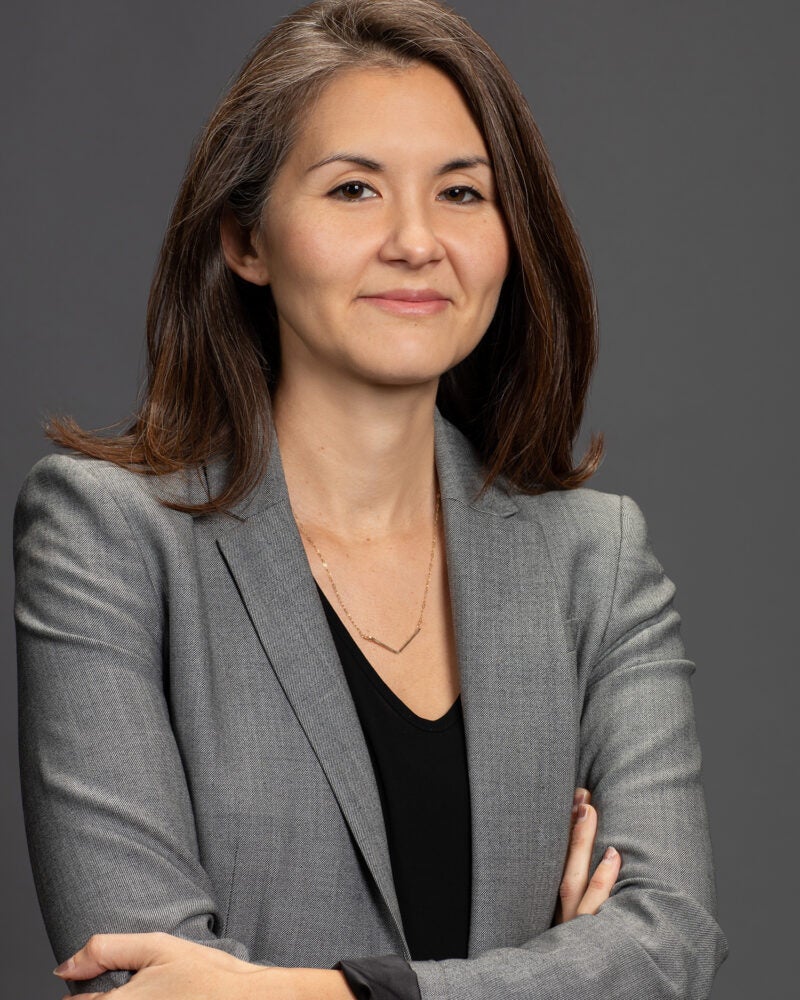
Beatrice Lindstrom
Senior Clinical Instructor; Lecturer on Law
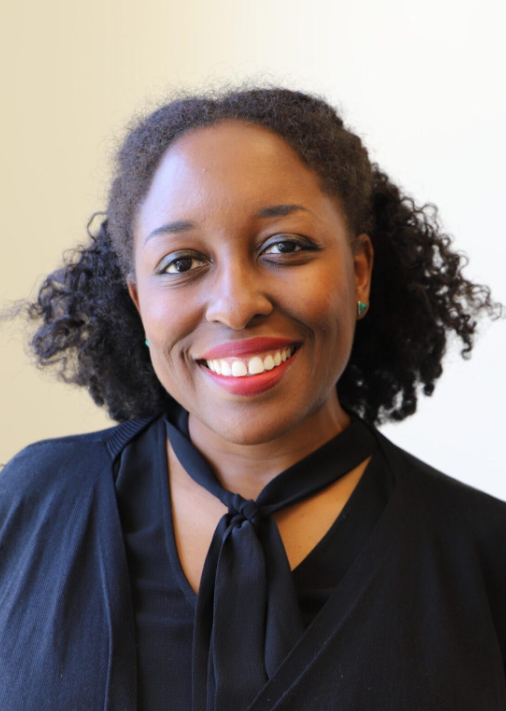
Aminta Ossom
Senior Clinical Instructor; Lecturer on Law
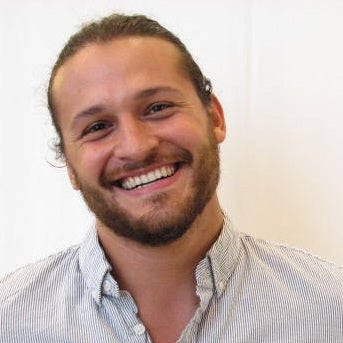
Daniel Levine-Spound
Clinical Instructor, Supervising Attorney of HLS Advocates for Human Rights; Lecturer on Law

Staff Members
| Kelsey Ryan | Program and Communications Manager | keryan@law.harvard.edu |
| Sanjana Nayak | Program Coordinator | snayak@law.harvard.edu |
In the News
-
White Phosphorus: Recent Use, Inhumane Effects Require New Law
Recent use of white phosphorus munitions by Israeli forces in Lebanon underscores the need for new international law to regulate these devastating weapons, Human Rights Watch and the International Human Rights Clinic (IHRC) at Harvard Law School said in a report released today.
September 9, 2026
-
Reflections from the Class of 2026
We asked two of our graduating students to reflect on their time in the International Human Rghts Clinic. Watch to learn about what projects they worked on, their fondest memories, and what insights they’ve gained on doing human rights work.
June 2, 2026
-
Advancing Humanitarian Disarmament in Challenging Times: A Campaigners Guide
The International Human Rights Clinic at Harvard Law School has released a new 20-page guide entitled Advancing Humanitarian Disarmament: Strategies for Campaigning in Challenging Times. It aims to help campaigners respond to recent developments while moving forward with their work.
May 18, 2026
-
Standing with Street Vendors in São Paulo: Clinic Submits Brief to U.N. Special Rapporteurs
The International Human Rights Clinic submitted a brief to the U.N. Special Rapporteurs regarding the impact of São Paulo’s Tô Legal licensing system on street vendors’ human rights. A submission to the Special Rapporteurs informs their work and supports engagement with authorities, including through requests for information and communications on alleged human rights violations. The brief was submitted as part of a coalition effort with eight human rights and labor organizations.
May 14, 2026