
What do a bold new translation of “The Odyssey,” histories of Jerusalem and the Muslim world, and a graphic novel about a pygmy goat sanctuary have in common? They’re all on this year’s Harvard Law School faculty summer reading list.
From fantastic mysteries to thoughtful biographies, historical fiction to personal essays, their picks span genres and millennia. Whether you’re looking for a juicy beach read or a book that might change the way you see the world, Harvard Law School faculty members have a recommendation ready. Read on for their top warm-weather reads.
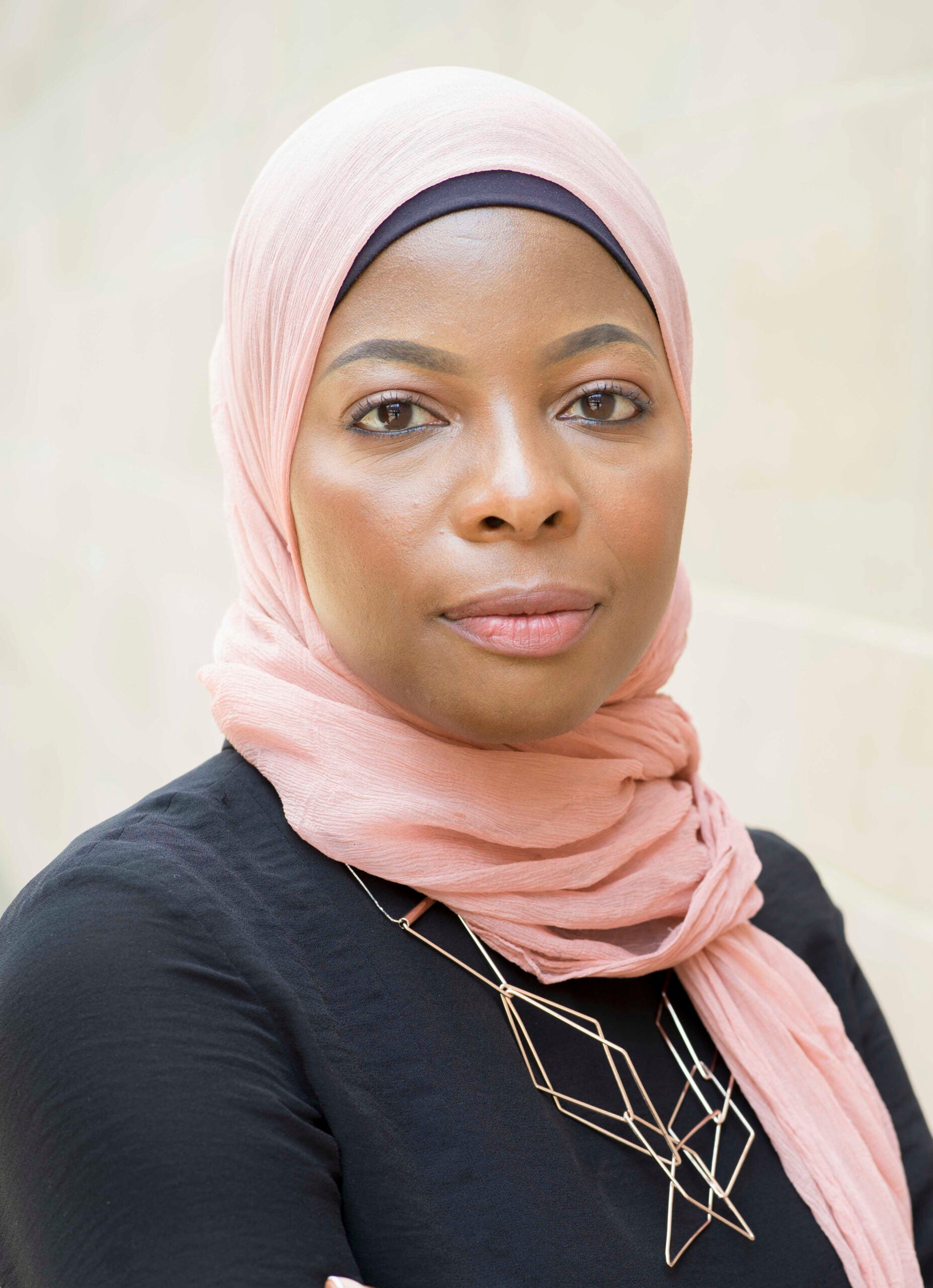
Intisar A. Rabb, Professor of Law: Historical fiction, well-researched, is where I often turn for different perspectives and to glimpse law’s social life most colorfully. I’m currently reading Tayari Jones’s “Kin”, a Jim Crow-era novel about Black girlhood, kinship, and class; and I’m looking forward to the first two books in S. A. Chakraborty’s new series, “The Adventures of Amina al-Sirafi” and “The Tapestry of Fate,” which promise another masterful storytelling about the 12th-century Indian Ocean world that bring back the best elements of her page-turning Daevabad trilogy from a few years back (charting adventures from a fictive Islamic world place of magic launched from 18th-century Cairo). Given a recent trip to Zanzibar, I also have Abdulrazak Gurnah on my list: his newest novel, “Theft,” and his earlier “By the Sea,” on exile, property, and the afterlives of Zanzibar’s political ruptures from the 19th century. For good measure, I may give another read to Amīn Maalouf’s “Samarkand,” which traces the political history and intrigue attached to a long-lived manuscript that travels across 11th-century Seljuk Persia and 20th-century Iran.
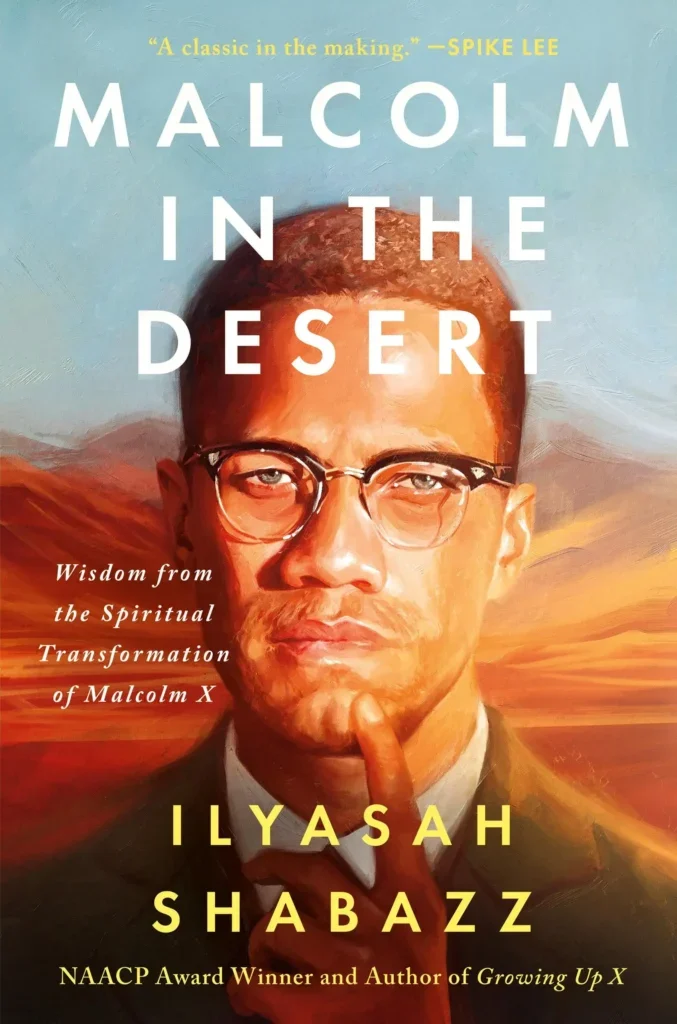
On the nonfiction side, I have highest on my list Ilyasah Shabazz’s “Malcolm in the Desert,” tracing her father’s journey of self-knowledge anchoring his fight for justice. I’m also particularly drawn this summer to family histories that double as legal and political history: I’m just finishing Kimberlé Crenshaw’s “Backtalker” and Dorothy Roberts’ “The Mixed Marriage Project,” then making my way through Martha S. Jones’ “The Trouble of Color,” David Levering Lewis’ “The Stained Glass Window,” and the two books reexamining the tragic 1984 Bernie Goetz subway shooting (Elliot Williams’ “Five Bullets” and Heather Ann Thompson’s “Fear and Fury”). Finally, to revisit historical takes on the broad and narrow arcs of history in the Muslim world given the current wars there, I plan to pair all this with Michael Cook’s “A History of the Muslim World” and Roy Mottahedeh’s classic “The Mantle of the Prophet,” an oldie but essential goodie for better understanding religion, politics, and social histories of Iran and the Muslim world (likely read right alongside “Samarkand!”).
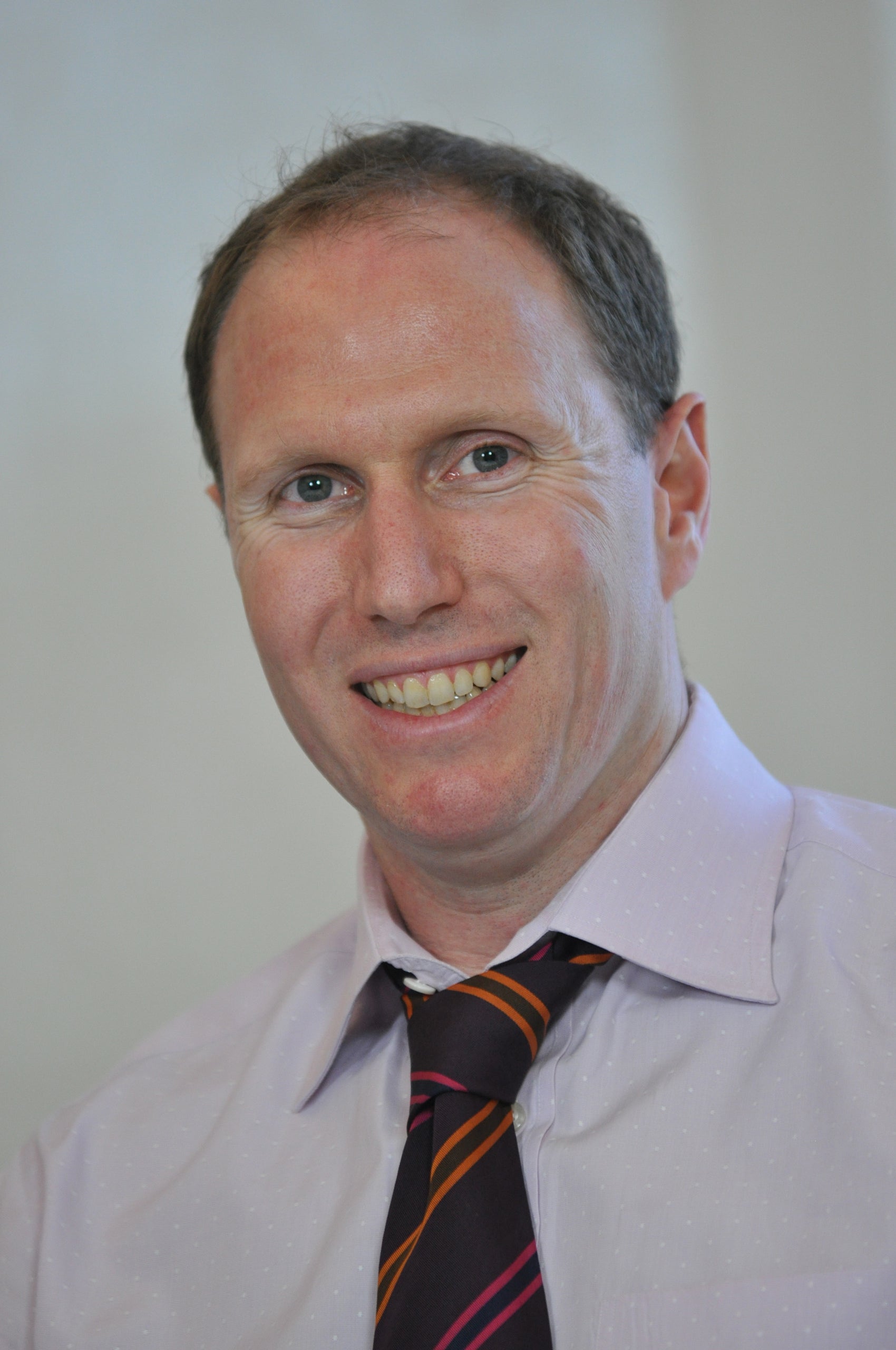
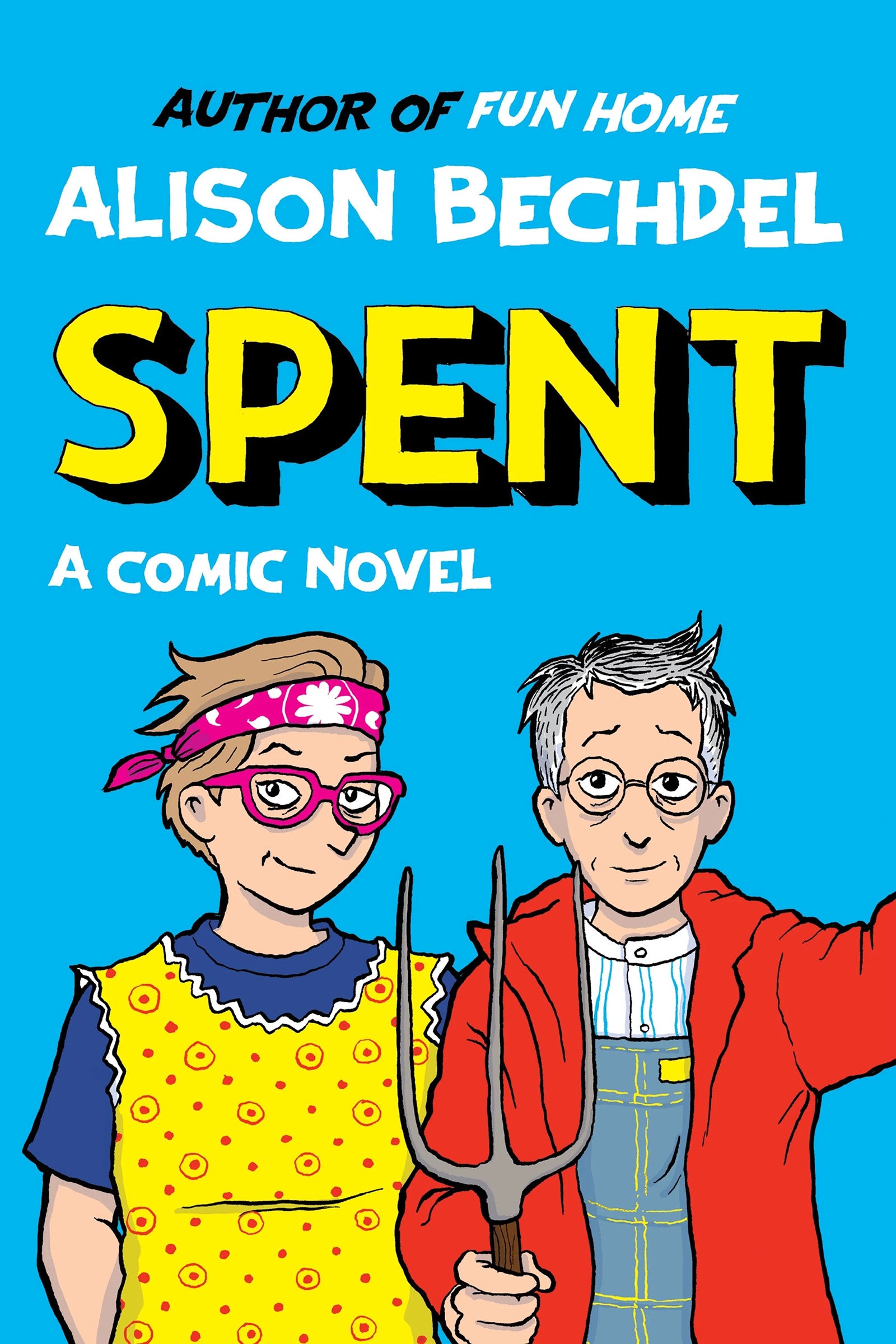
Jacob E. Gersen, Sidley Austin Professor of Law: In terms of fiction, I am excited to read HLS alumni Ayelet Waldman’s beautiful new novel, “A Perfect Hand.” After that I can’t wait to read Ann Patchett’s new book “Whistler.” My nonfiction list includes Brian Goldstone’s “There is No Place for Us” about working homeless in Atlanta, and John Green’s “Everything is Tuberculosis.” For a change of pace, I’m going to read Alison Bechdel’s “Spent: A Comic Novel.” And somewhere along the way I need to finish the heartbreaking book “A Little Life” by Hanya Yanagihar. As soon as Min Jin Lee’s new novel “American Hagwon” is out, that will go to the top of my list.
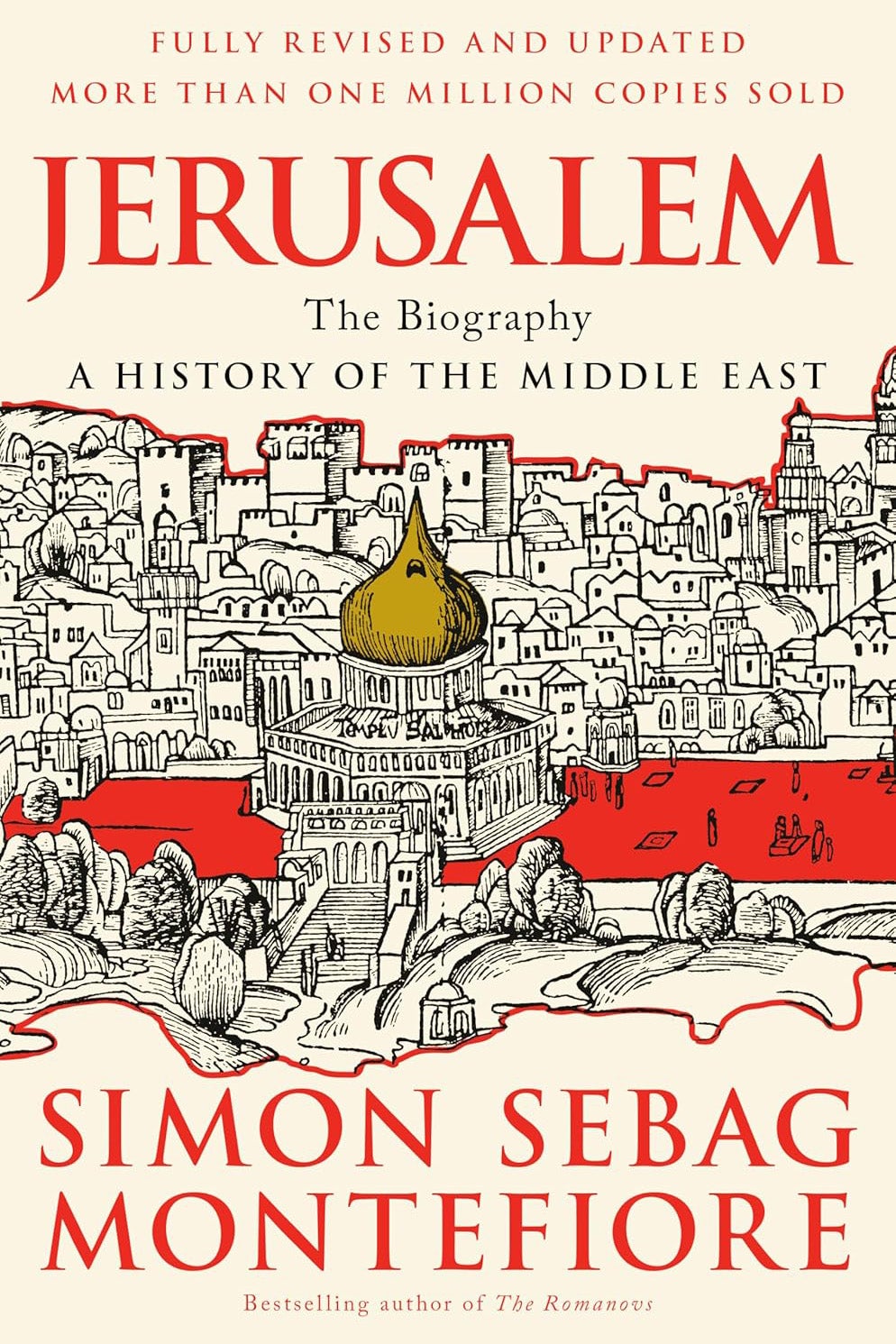
Stephen Sachs, Antonin Scalia Professor of Law: This summer, I’m looking forward to reading Simon Sebag Montefiore’s “Jerusalem: The Biography,” a history of the city over the past few thousand years, as well as Richard Dawkins’ “The Ancestor’s Tale: A Pilgrimage to the Dawn of Life,” telling the story of evolution backwards from modern humans to single-celled organisms. Other books on the list are “1215: The Year of Magna Carta,” by Danny Danziger and John Gillingham; Kyle Harper’s “The Fate of Rome: Climate, Disease, and the End of an Empire”; and University of Toronto philosopher Joseph Heath’s “Cooperation and Social Justice,” a compilation of essays on thorny topics.
Martha Minow, 300th Anniversary University Professor:
Eric Foner, “Gateways to Freedom,” historical account of New York’s antislavery networks
Fei-Fei Li, “The Worlds I See,” a first-person account by a pioneering AI scientist/immigrant from China to the U.S.
Todd Rose, “Collective Illusions,” to help understand why people believe lies
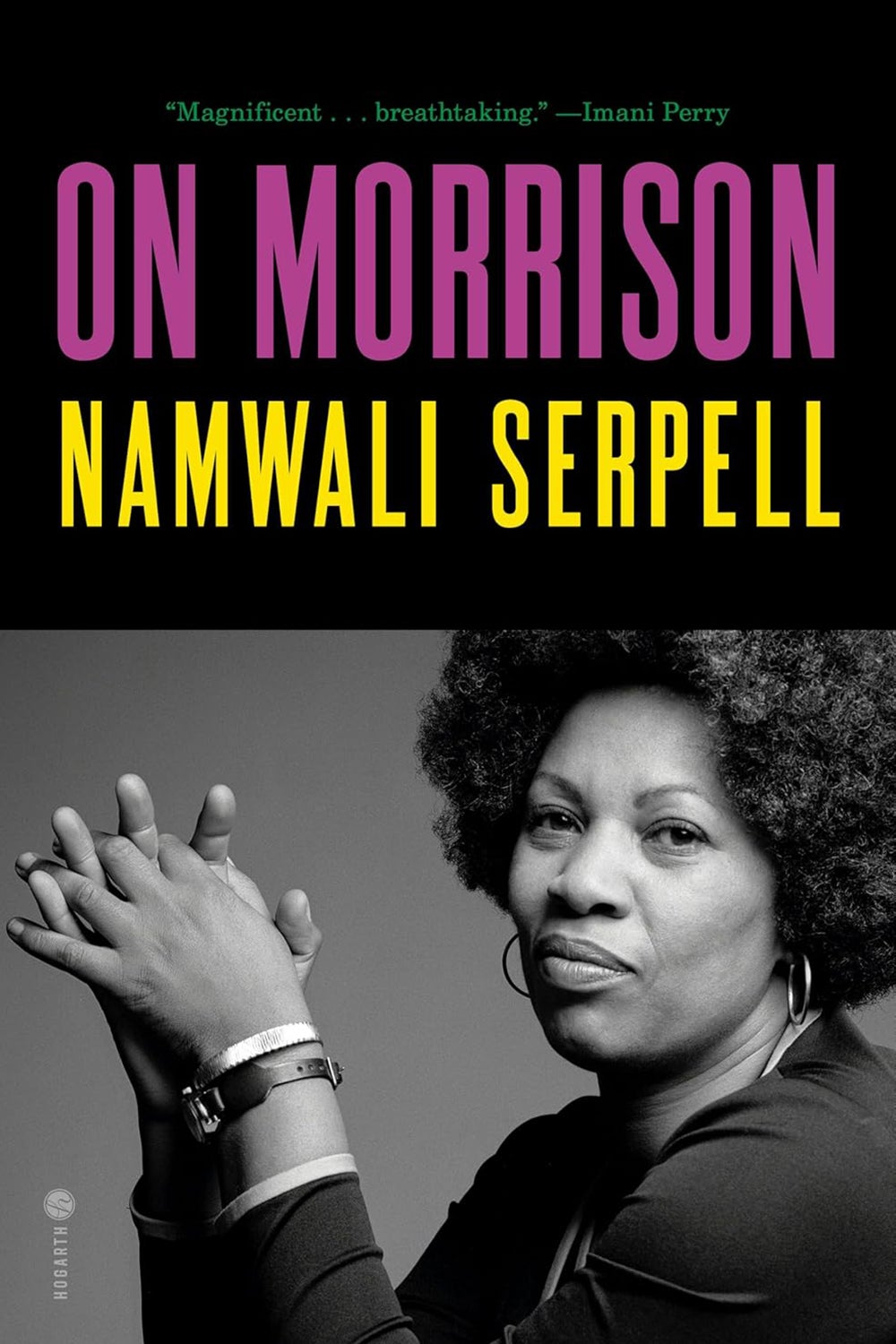
Namwali Serpell, “On Morrison” — looking forward to incisive insights about the great author with close readings
George Saunders, “Vigil,” novel exploring limits of consolation for a dying man who will not acknowledge suffering resulting from his climate-change-denial
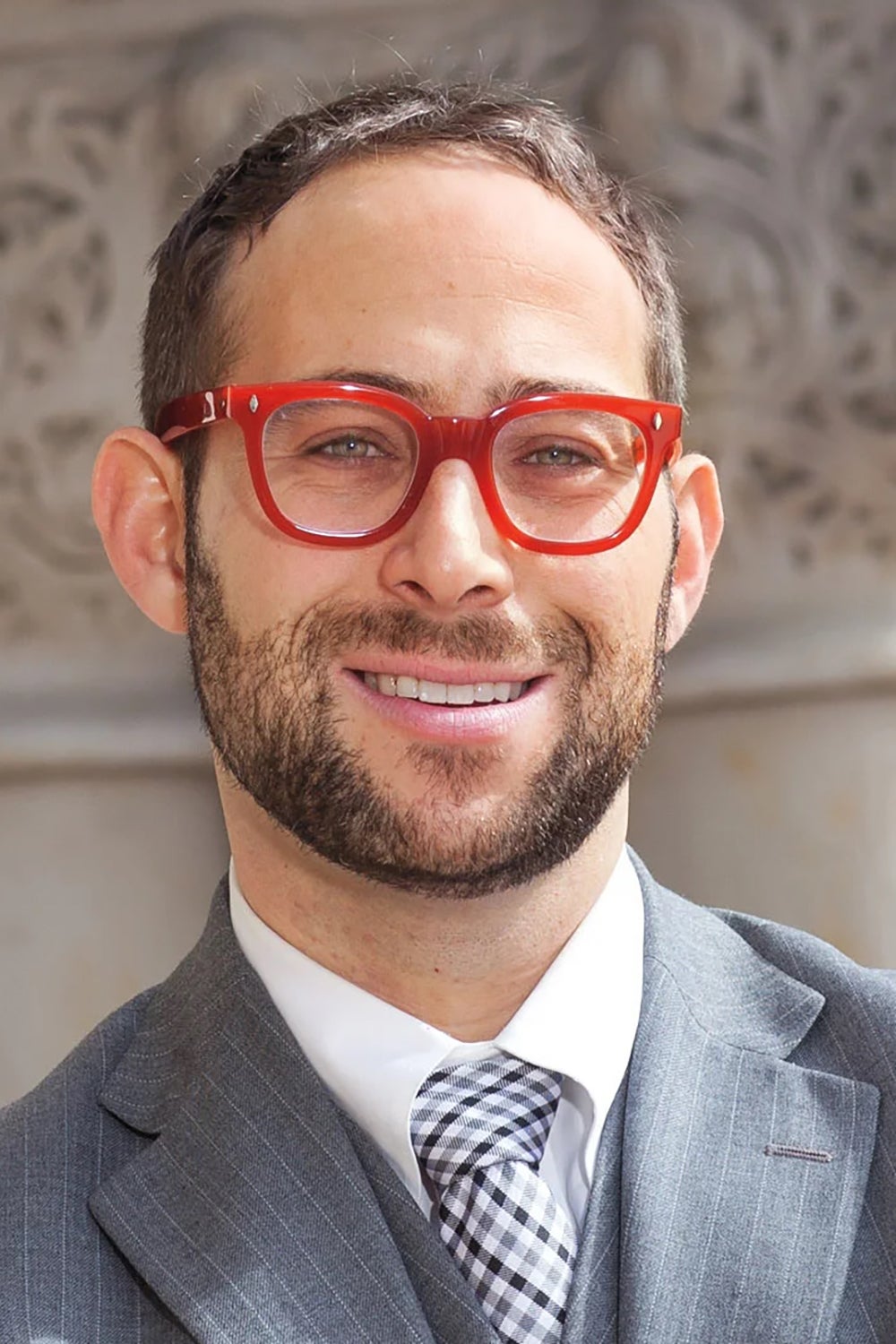
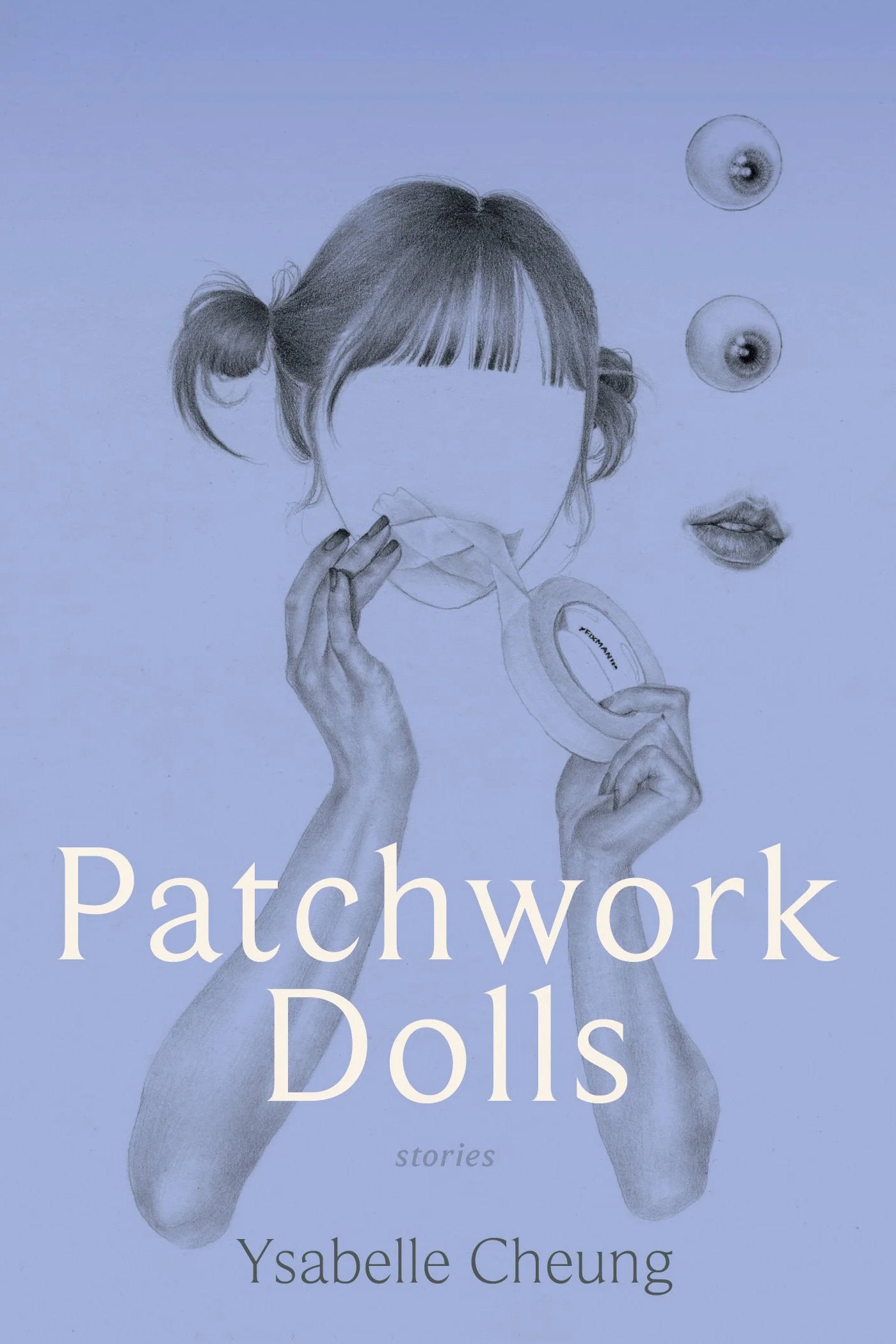
I. Glenn Cohen, James A. Attwood and Leslie Williams Professor of Law: Shortly after commencement, as the weather gets nicer and enables more outdoor reading I tend to shift from work to pleasure reading, which for me is often fiction. In the last few weeks, I have read these three: Robert Jackson Bennett’s “A Drop of Corruption” — the second in a three-book trilogy that situates a detective fiction yarn in a fantasy world. The novel’s pair of unlikely sleuths have delightful back and forth and it’s fun to see classic detective tropes be reconfigured for the setting. Second, “Patchwork Dolls” by Ysabelle Cheung, a debut set of short stories by a Hong Kong writer. A friend gifted me a copy when I was visiting that city for a conference. I particularly liked the stories in the second half of the collection, which coincidentally are a little closer to bioethics. Finally, today I just finished Katie Kitamura’s “Audition,” recommended by a writer friend of mine. It mixes the closer interiority of “Mrs. Dalloway” with surreal elements reminiscent of Milan Kundera or Jose Saramago and was a very easy read. In the work bucket I am finishing Robert M Wachter’s “A Giant Leap” — he’s one of the best medical writers out there on how AI is transforming healthcare.
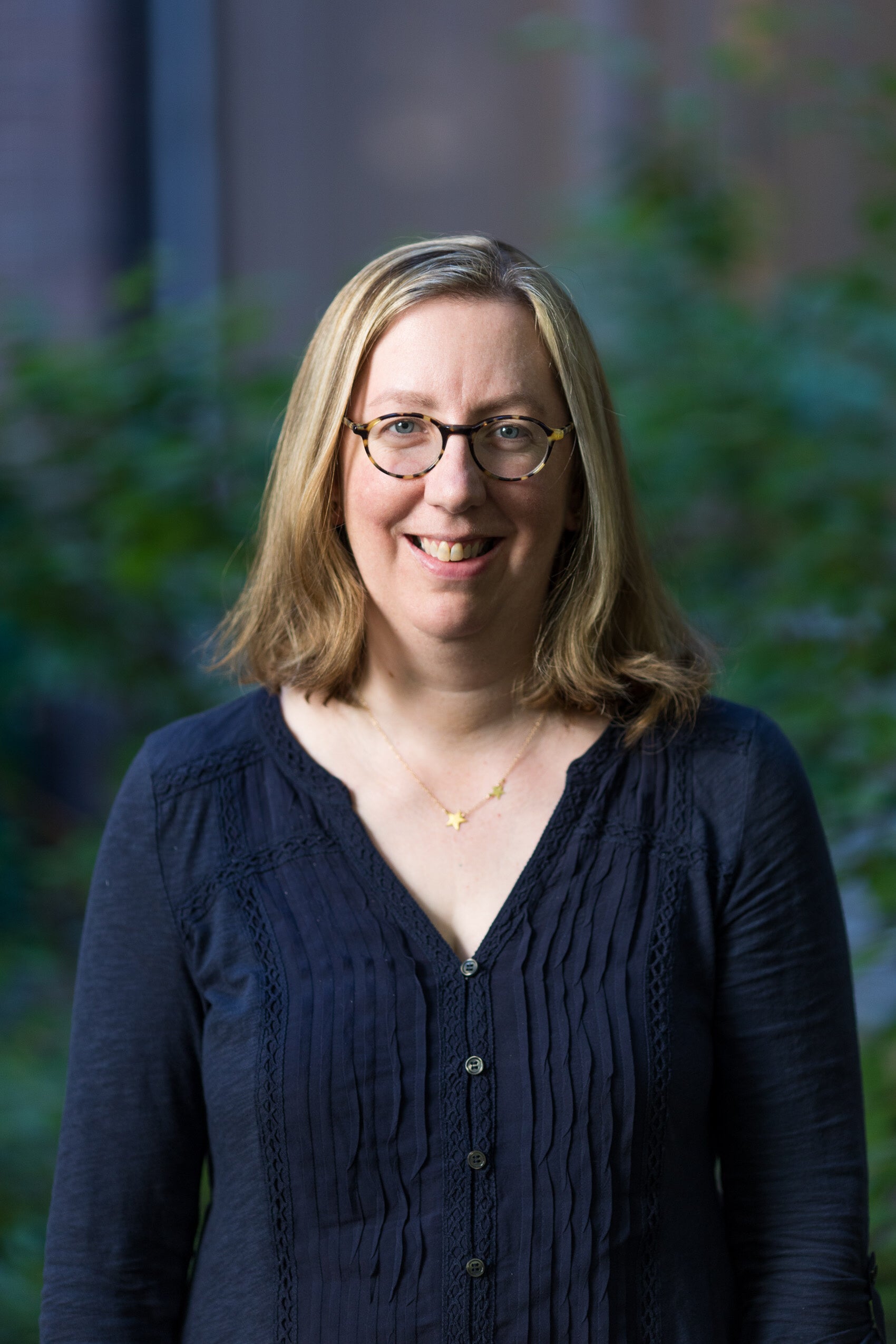
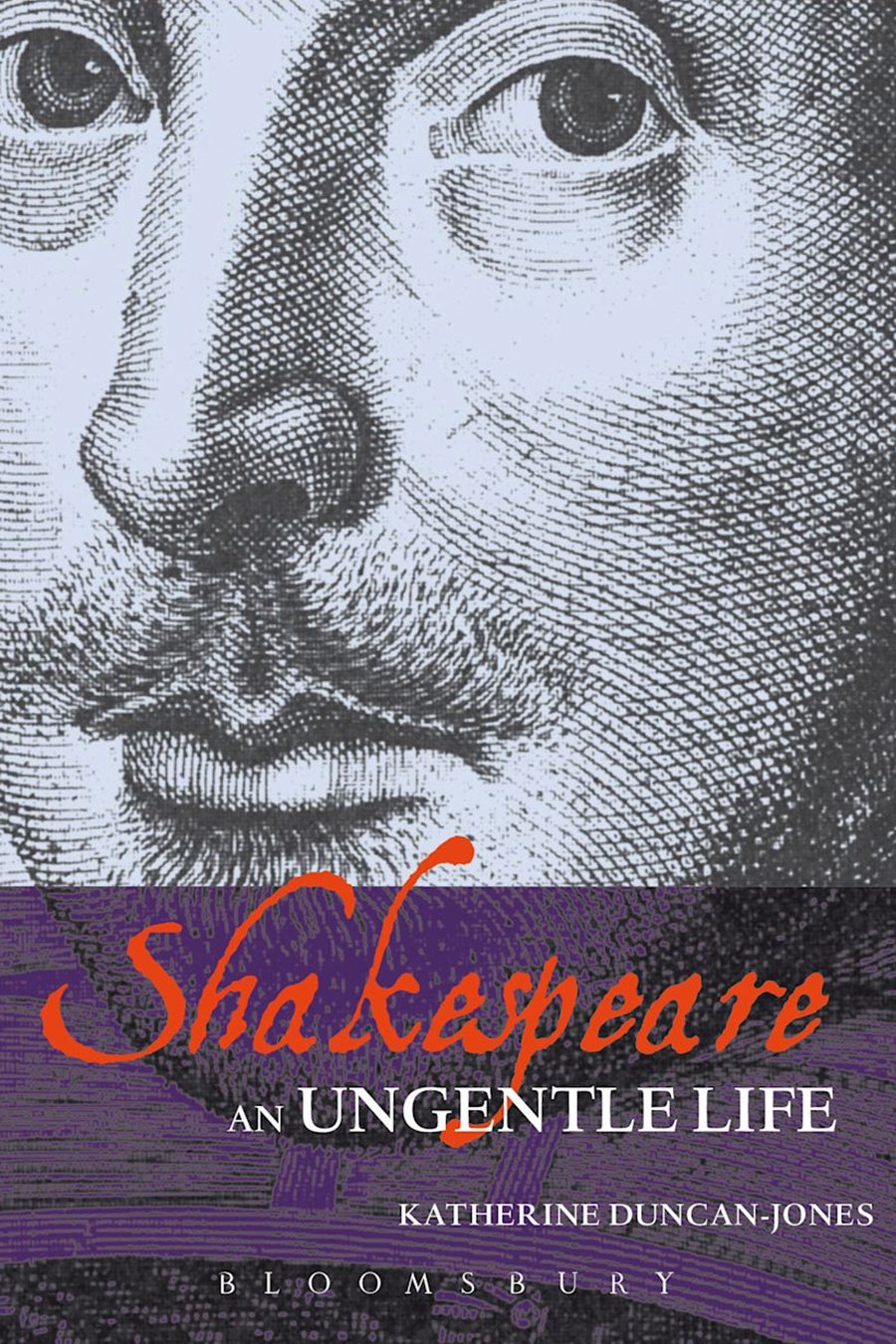
Susannah Barton Tobin, Ezra Ripley Thayer Senior Lecturer on Law: The summer happily brings the chance to make a dent in my tall TBR [to be read] pile. I’m eager to read Joshua Kendall’s “Trudeau and Doonesbury: The Cartoonist Who Turned the News Into Art,” a biography of the famously private G.B. Trudeau, the first comic strip artist to win a Pulitzer (and, if there’s any justice, someday the first to win a Nobel Prize). Anne Lamott has a new book on writing with Neal Allen, “Good Writing.” If it’s even half as good as her “Bird by Bird,” my favorite book on writing, it will be a classic. And as Christopher Nolan’s take on “The Odyssey” sails into theaters, I’m returning to Emily Wilson’s outstanding translation of Homer’s epic poem. Critics of her translation as overly feminist might forget Samuel Butler’s provocative “The Authoress of The Odyssey,” arguing (based on textual analysis of the strong female characters) that the poem might have been written by a woman. “Shakespeare: An Ungentle Life,” by Wilson’s mother, the late scholar Katherine Duncan-Jones, is also on my reread list. Moving from the past to our challenging present and future, I would be remiss not to mention the new paperback edition (fully updated and expanded) of “Lawless,” by former Climenko fellow and current University of Michigan Law professor Leah Litman, and Senator Raphael Warnock’s “The Crooked Places Made Straight: Reflections on the Moral Meaning of America.” Finally, I hope to extend the summer into September to include Sherry Turkle’s “Artificial Intimacy: Who We Become When We Talk to Machines.”
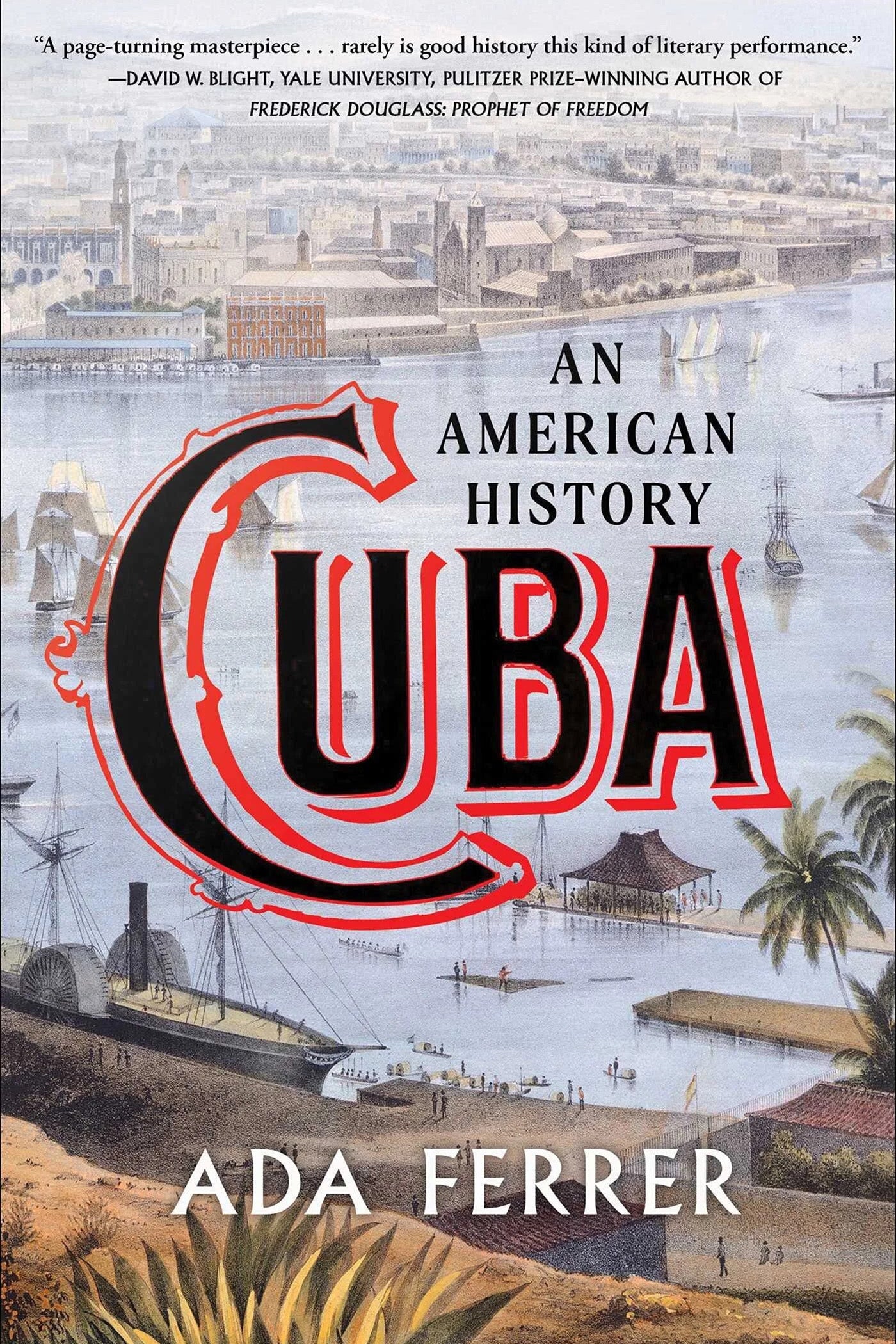
Scott Westfahl, Professor of Practice: I’ve been reading “Cuba: An American History,” by Ada Ferrer, which won the Pulitzer Prize for history a few years ago and has been very helpful in understanding the current U.S.-Cuba conflict.

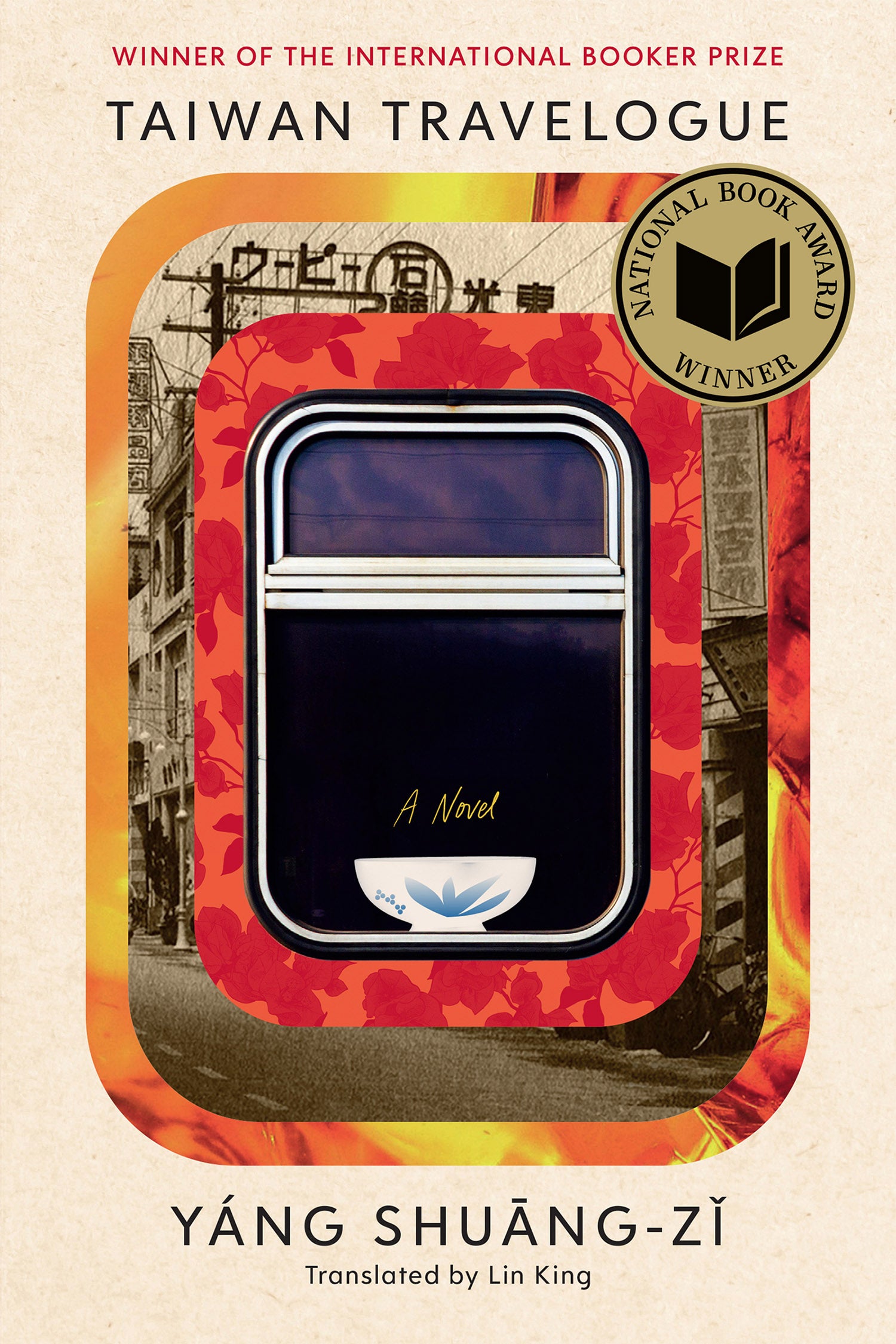
Howell E. Jackson, James S. Reid Jr. Professor of Law: For fiction, I greatly enjoyed and heartily recommend Daniyal Mueenuddin’s “This Is Where the Serpent Lives,” a riveting novel of class and corruption in modern Pakistan. I am now reading Yang Shuang-zi’s International Booker Prize-winning “Taiwan Travelogue,” a richly imagined account of a Japanese author’s journey through Taiwan’s landscapes and cuisines on the eve of the Second World War. Lin King’s translation has a deft touch, and her marginal notes add another layer of wit and intimacy.
On the non-fiction side, I am reading Richard Holmes’ new biography, “The Boundless Deep: Young Tennyson, Science and the Crisis of Belief,” a vivid portrait of Tennyson amid the era’s scientific and intellectual upheavals. Closer to my day job, I recently finished and very much enjoyed Stavros Gadinis’ “Corporate Ordering: How Corporations Navigate Social Conflict,” a thoughtful exploration of the expanding social role of modern corporations to be published in August by Cambridge University Press. Gadinis, a former Harvard S.J.D. student in the Class of 2010, argues that corporations increasingly operate as institutions that structure and manage social conflict, and — more controversially — that courts should play a greater role in ensuring that corporate governance arrangements make this process more deliberate and transparent.
Want to stay up to date with Harvard Law Today? Sign up for our weekly newsletter.