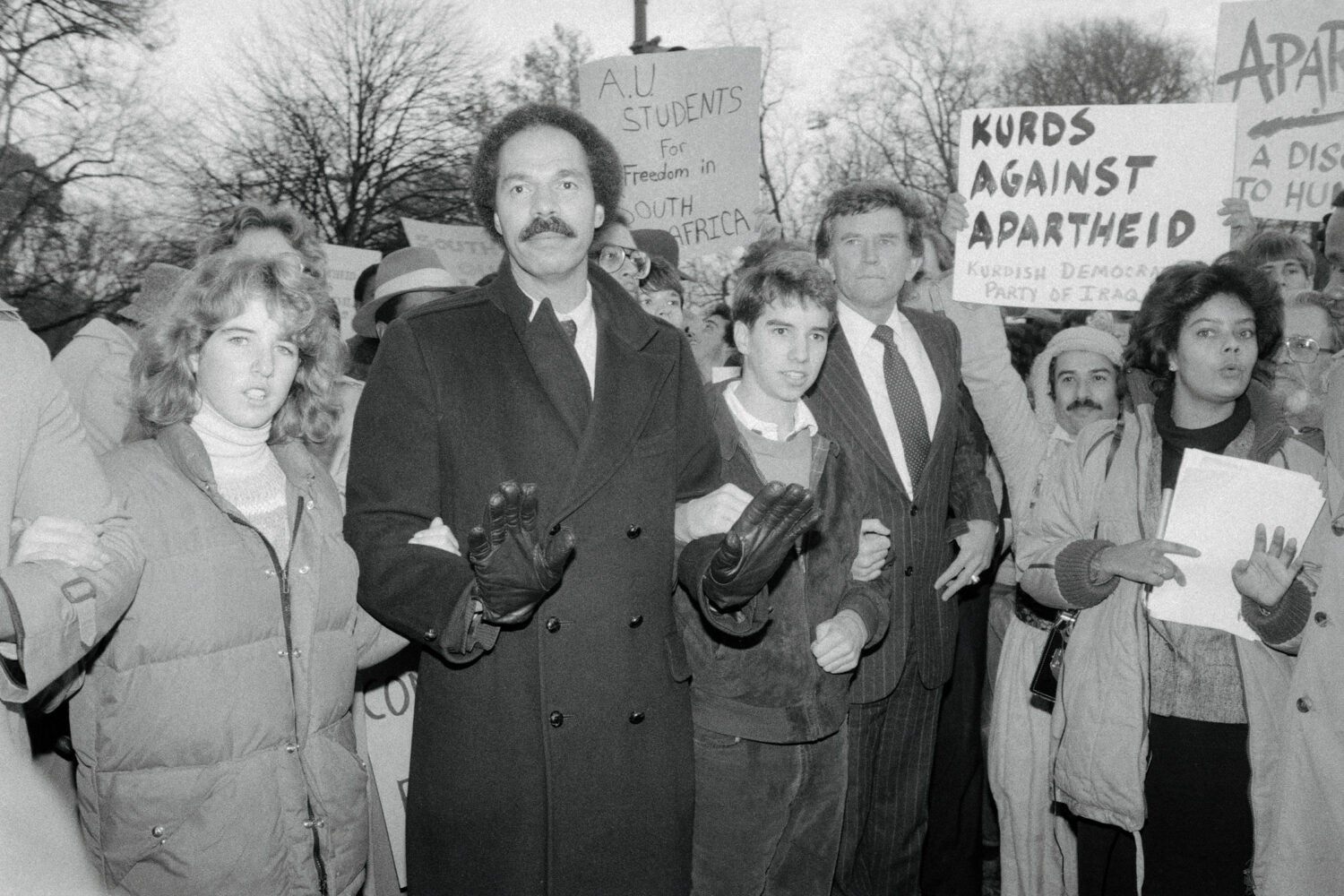
On the evening before Thanksgiving in 1984, four African American leaders visited the South African embassy in Washington, D.C. and refused to leave until certain demands were met. Among these were the release of political prisoners including Nelson Mandela, Walter Sisulu, and Govan Mbeki, and a public commitment from the South African government to dismantle apartheid.
Three of the activists — including Harvard Law School graduate Randall Robinson ’70 — were arrested that day, while the fourth proclaimed the group’s intentions to the media and the world. Following their release a few days later, Robinson and his colleagues announced the formation of the Free South Africa Movement, a multi-faceted campaign involving civil disobedience, strategic collaboration with leading members of Congress, and a carefully calibrated media strategy, which would make sanctions against South Africa a central issue in American political life and influence passage of the Comprehensive Anti-Apartheid Act of 1986.
That work, along with supporting a multinational movement to restore Haiti’s democracy, were the crowning achievements of TransAfrica, a Washington-based foreign policy advocacy organization Robinson founded and led for more than two decades. A forthcoming book by historian Ronald Williams II chronicles the history of that pathbreaking institution, which closed its doors in 2014. Over nearly twenty years of researching and writing this book — tentatively titled “Black Embassy: TransAfrica and the Struggle for Foreign Policy Justice” and under contract with University of North Carolina Press — Williams conducted more than 130 oral history interviews with people involved with the organization and the movement throughout its history.
The interviews, including audio recordings and transcripts, along with related correspondence, and selected documents and photographs, will become a permanent part of the Harvard Law School Library’s Historical & Special Collections, where they are expected to be an important resource for future researchers interested in the life and accomplishments of Randall Robinson and TransAfrica, the anti-apartheid movement in the United States, African Americans’ impact on U.S. foreign policy, and the history and politics of Black America from the 1970s through the early 2000s.
“TransAfrica was the most successful and longest-lasting African American advocacy organization for Africa,” says Williams. “I hope that this book and the collection can serve as a foundation for further research on the anti-apartheid movement and the role of Black Americans in shaping U.S. foreign policy over the last sixty years.”
Edwin Moloy, the library’s curator of modern manuscripts, says that the collection of more than 120 oral histories should “provide a vigorous account of the founding and operation of TransAfrica” and of Robinson’s life and career.
“Ron’s research for his forthcoming book is incredibly thorough,” Moloy says. “The collection should have a wonderful synergy with some of the library’s other collections, in particular the papers of HLS Professor Clarence Clyde Ferguson Jr., who worked tirelessly on human rights in Africa and around the world, and Charles Ogletree Jr. ’78, who was a TransAfrica board member and worked with Randall Robinson on the Reparations Coordinating Committee in the early 2000s.”
Moloy adds that this is the Harvard Law School Library’s first major oral history collection, and that the library has committed to preserving the materials in perpetuity in Harvard’s digital repository, where they will eventually be made freely available to anyone in the world with an internet connection.
“Years before my husband’s death, Harvard had expressed to him their interest in receiving his papers — plus any additional material pertaining to his life and work,” says Hazel Ross-Robinson, Robinson’s widow and close collaborator. “Dr. Williams is a meticulous scholar and a gifted writer, and so Harvard owning the materials that have emanated from his exhaustive research in preparation for his upcoming work is a welcome development indeed.”
Harvard roots of a global advocate
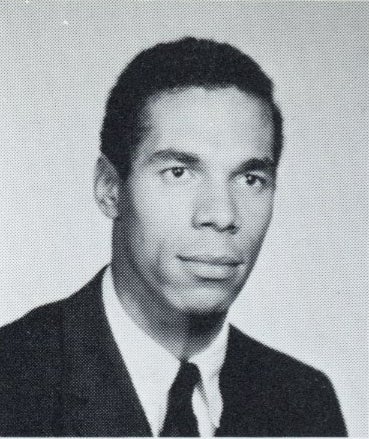
Randall Robinson’s path to international advocacy ran directly through Harvard Law School and the broader Boston community. As a student at Harvard Law in the late 1960s and early 1970s, Robinson cofounded two advocacy organizations — the Southern Africa Relief Fund and the Pan-African Liberation Committee.
In 1977, he cofounded TransAfrica, a foreign policy advocacy organization dedicated to shaping U.S. policy toward Africa and the African diaspora. Robinson became its executive director, a role he would hold for twenty-four years
Robinson’s early Harvard and Boston years are crucial to understanding the story his collection preserves, Williams argues. “Harvard Law School — and the greater Boston area — was one of the places where Robinson honed his skills as an organizer, strategist, and advocate,” he says.
“Randall Robinson was part of the best of the Harvard Law legacy — a rich fusion of sharp intellect and deep commitment to freedom,” says Cornel West, a philosopher and former Harvard professor.
Chronicling TransAfrica and Randall Robinson
Williams first became interested in TransAfrica as a Ph.D. student in the Department of African American Studies at the University of California, Berkeley.
“Having done graduate work in Black politics at Howard, I entered the Ph.D. program in African diaspora studies with a broad but still unrefined interest in how Black Americans had internationalized their freedom struggle,” Williams recalls. “In early 2007, my advisor noted that no one had done anything serious on TransAfrica and encouraged me to consider it. I was already familiar with Randall Robinson through his book “The Debt,” which I read as an undergraduate at San Diego State University while researching my thesis on reparations. I took up the subject and ran with it. That was nearly twenty years ago — and I’ve been researching and writing about TransAfrica ever since.”
Through his book, Williams offers the first full institutional history of TransAfrica and situates it within a broader account of African American engagement with U.S. foreign policy toward Africa and the Caribbean since World War II. Drawing on extensive archival research — in addition to the oral history interviews that now reside at Harvard Law School — the book traces the long history of African American efforts to influence U.S. foreign policy through the story of this once-prominent organization. In addition to the seven books authored by Robinson, Williams’ work provides the most extensive treatment to date of Randall Robinson’s life and work.
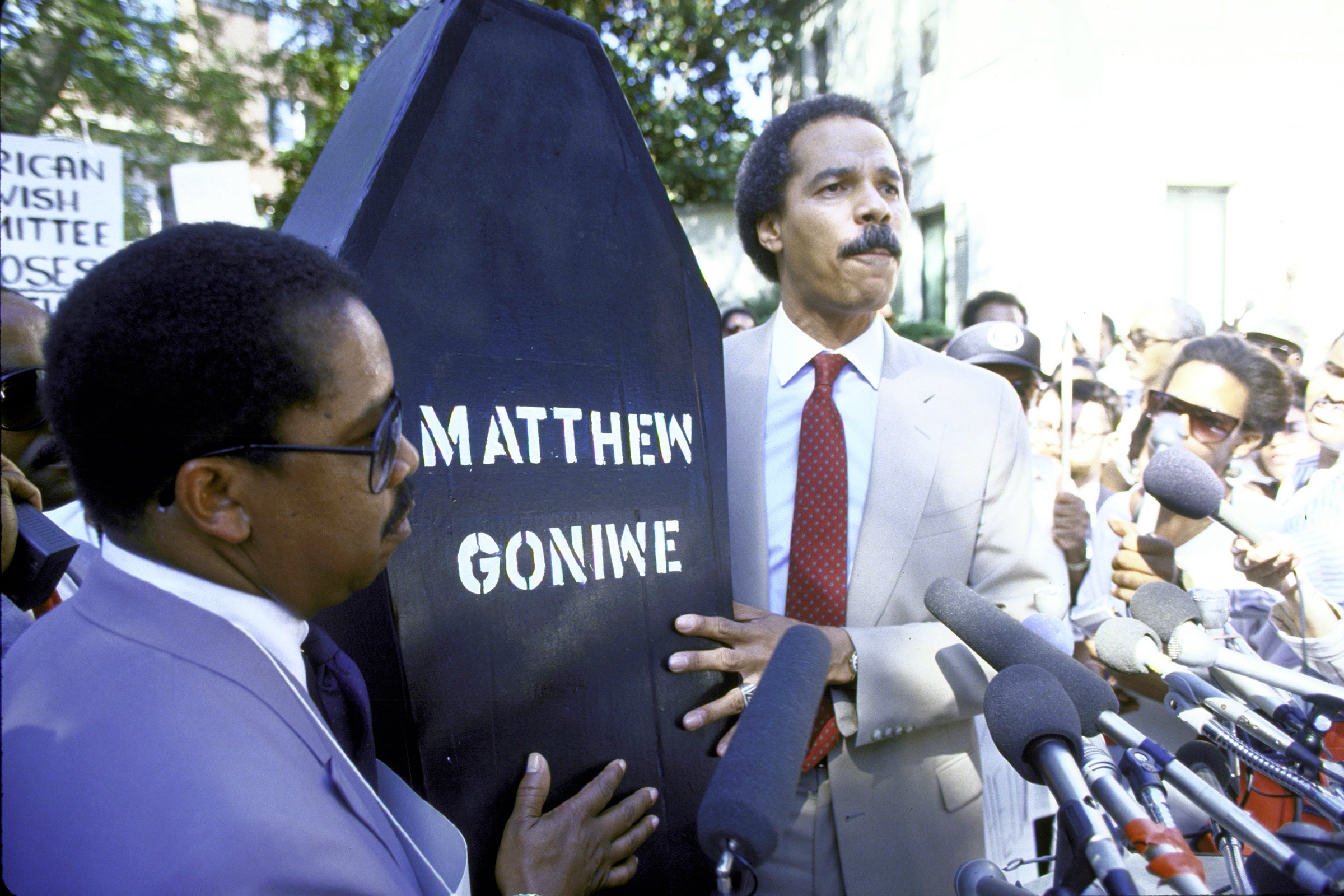
“TransAfrica’s history reveals important lessons about the ways African Americans carried the struggle for foreign policy justice into the 21st century,” Williams argues. “One of the central lessons of this history, especially relevant for contemporary social reform movements, is that change does not come from isolated moments of protest, but from sustained pressure over time. At the center of that story is Randall Robinson, one of the most influential African American voices on U.S. foreign policy toward Africa and the Caribbean in American history, who devoted his life to the cause of Black freedom, human rights, and global justice.”
Williams, who spent eleven years as a professor of African American Studies at the University of North Carolina at Chapel Hill, is currently a writer and independent scholar based in Durham, North Carolina. In recognition of his work on “Black Embassy,” he was awarded a 2024 Whiting Foundation Creative Nonfiction Grant for Works-in-Progress, a highly competitive award that supports deeply researched and imaginatively crafted nonfiction written for a broad general readership. His work has also been supported by the National Humanities Center, where he was awarded the 2025-2026 John Hope Franklin Fellowship.
TransAfrica’s place in Black foreign policy history
While the Harvard Law School Library collection is centered on Williams’s interviews and research materials, it also illuminates the larger story of African American foreign policy activism in the late 20th century. Williams’ interviews include conversations with members of Congress, heads of state and government officials, civil rights leaders, cultural figures and entertainers, as well as TransAfrica staff, volunteers, and grassroots organizers whose contributions were central to the organization’s work.
TransAfrica’s work continued after apartheid’s end, focusing as it had ever since its 1977 inception, on a broad range of U.S. policies towards the African world: U.S. military interventions, Third World debt relief, and the promotion of social and economic justice throughout the African world, Williams says. Even after Robinson’s retirement, the organization remained active for another decade under the leadership of Bill Fletcher Jr. and Nicole C. Lee. Though TransAfrica ceased operations in 2014, Williams argues that its legacy is still unfolding — and that the oral histories now at Harvard will help future scholars and activists assess that legacy in greater depth.
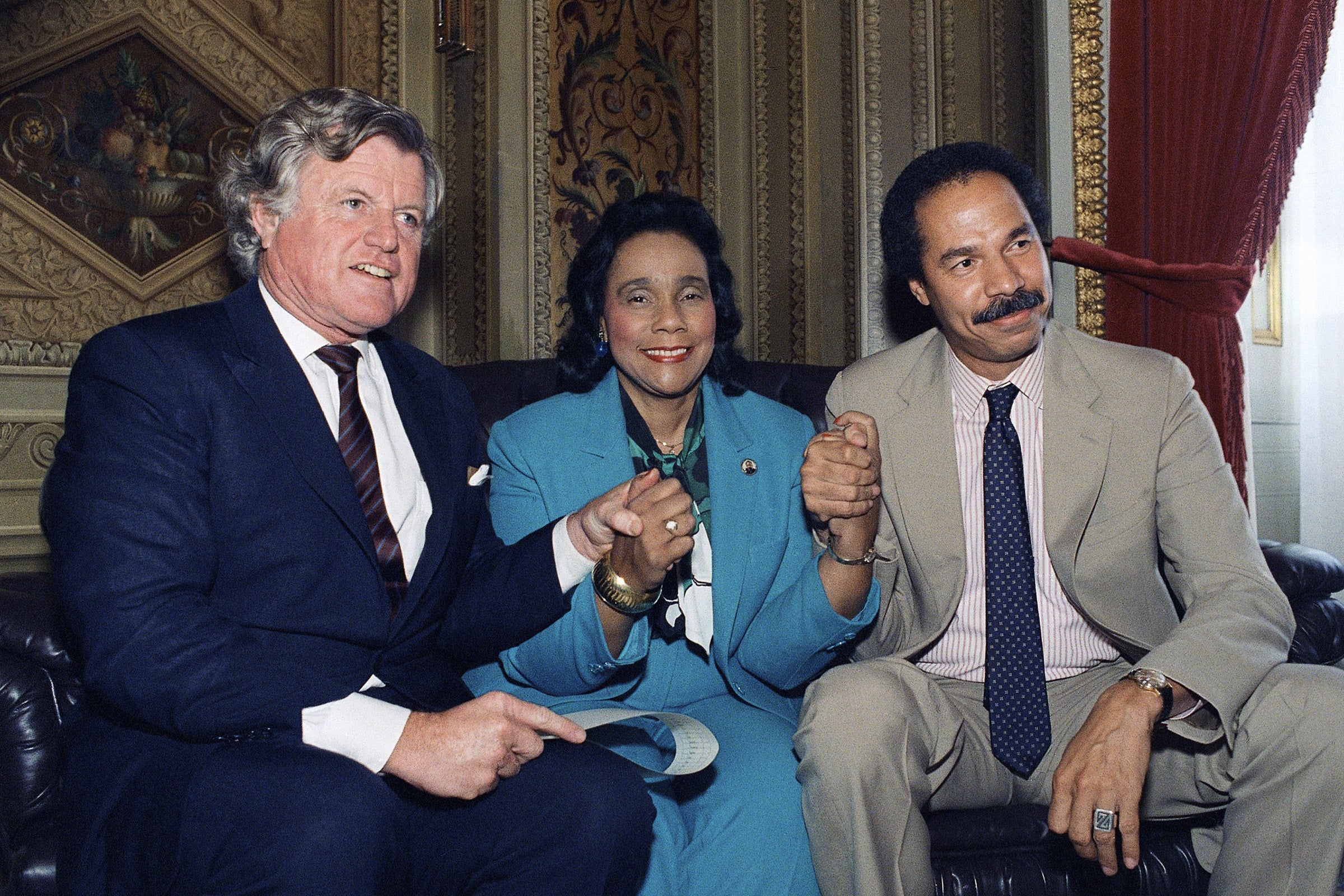
“TransAfrica’s founding met the need for an organization for Blacks in the United States to work with the diaspora on the continuing fight for just policy and the end of oppression dating from the colonial era until today,” says historian Mary Frances Berry, Geraldine R. Segal Professor of American Social Thought Emerita at the University of Pennsylvania. “Because Randall Robinson had experience working on the Hill and as a social activist, he was eminently suited to work with organizers such as Professor Sylvia Hill, labor leader Bill Lucy and others as we mobilized people in the successful FSAM effort to end our government’s support for South African apartheid. There is so much more to be done in Africa, the Caribbean, Europe and throughout the diaspora. There are other laudable organizations, but we need another one in the TransAfrica model.”
A critical collection at Harvard Law School Library
Conducting interviews for his book took Williams to cities across the United States and beyond — from New Orleans and Washington, D.C., to Gary, Indiana; Eugene, Oregon; Johannesburg, South Africa, and Basseterre, St. Kitts, as well as Richmond, Virginia; State College, Pennsylvania; Boston; New York; Atlanta; and San Francisco.
Along with nearly two decades of correspondence, his collection includes audio recordings, transcripts, and video of conversations with figures such as Randall Robinson, his widow Hazel Ross-Robinson, and members of their family, along with Ron Walters, Richard Hatcher, Harry Belafonte, Mary Frances Berry, Danny Glover, Gay McDougall, Maxine Waters, Walter Fauntroy, P. J. Patterson, Denzil Douglas, Terrance Drew, Sylvia Hill, Johnnetta Cole, Cecelie Counts ’83, Bill Fletcher Jr., Nicole Lee, Jeremiah Wright, Tavis Smiley, Mildred Trouillot-Aristide, and many others. Just as important, Williams emphasizes, are the voices of staff members, volunteers, and local organizers whose names are far less familiar, but whose contributions were central to TransAfrica’s story.
As he continued to amass his collection of interviews, Williams realized that they would not only be valuable for his own project, but also for future researchers. He credits Julieanna Richardson ’80 — founder and president of The HistoryMakers, the nation’s largest African American oral history archive — with helping to blaze a trail for preserving Black historical collections. He also credits Randall Robinson himself with helping to identify the Harvard Law School Library as the appropriate institutional home for the archive.
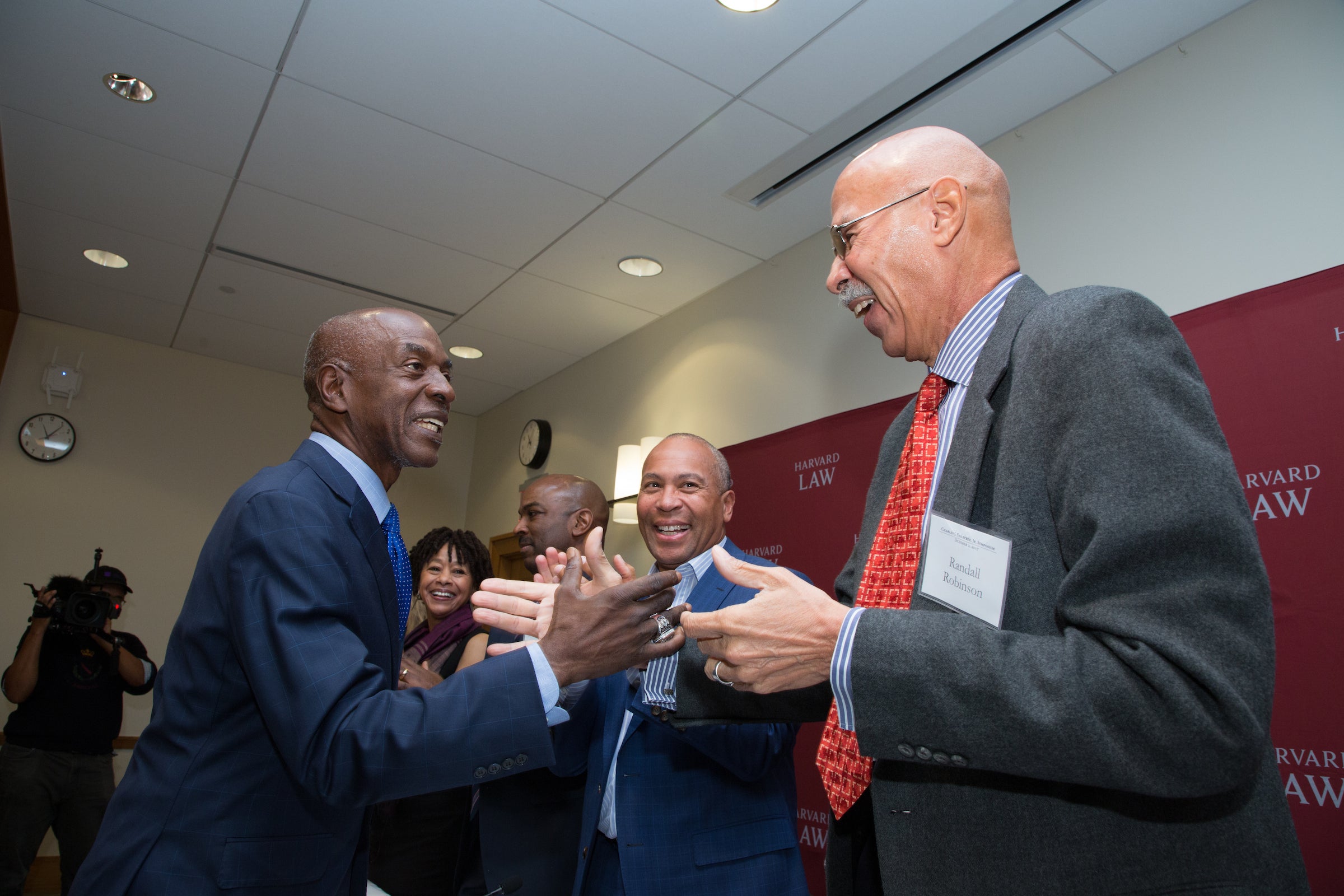
In addition to Robinson, who died in St. Kitts in March 2023 at the age of 81, Williams’ effort to chronicle TransAfrica’s story has benefitted from what he describes as the “extraordinary support and participation” of Ross-Robinson.
“Since 2016, Randall and Hazel have been indispensable in granting me access to people, documents, and sources that would have otherwise been out of reach. Much of what is now preserved in this archive reflects not only their generosity, but also the broader community of individuals to whom they connected me, and whose voices help tell the story of TransAfrica and Randall Robinson’s remarkable life,” Williams says.
Christopher Spraker, manager of Historical & Special Collections at the Harvard Law School Library, says that he is thrilled to welcome Williams’ unique collection.
“Randall is such a prominent and well-known alumnus, and we jumped at the chance to get this collection,” Spraker says. “Additionally, I think the breadth and depth of Ron’s research and interviews is just magnificent. I’m excited for researchers and others to be able to dig into this very rich collection.”
Williams notes that this project has been in the works for almost twenty years.
“But as much as its completion will mark an ending for me, it will also be the beginning of something else,” he says. “I hope people will use both the book and the archival collection to continue exploring other aspects of Randall Robinson and TransAfrica’s stories, the history of the anti-apartheid movement in the United States, and the broader role of African Americans in shaping domestic and international politics, particularly in the 1980s, 1990s, and 2000s. I also hope that, through TransAfrica’s story, readers can see what is possible — and recognize the continuing need to pursue justice in our nation’s foreign policy.”
Want to stay up to date with Harvard Law Today? Sign up for our weekly newsletter.