
In the hands of writer and director Jonathan Goldstein ’95, a familiar storyline is never quite what it seems. His new film, “Mayday,” starring Ryan Reynolds and Kenneth Branagh, takes the conventions of the classic Cold War action movie, injects them with humor — and promptly turns them on their head.
It’s fitting, then, that Goldstein’s own life has been anything but predictable: After earning a degree in German literature, he attended Harvard Law School and practiced at a top corporate law firm before finding success in show business.
“I had to go to law school to go to Hollywood,” Goldstein laughs.
Goldstein wrote and directed “Mayday,” which debuts on Apple TV on Sept. 4, with longtime filmmaking partner John Francis Daley, with whom he has collaborated on 10 other feature films. Known for blending genre with humor and deploying unique filmmaking choices, Goldstein and Daley have garnered praise from critics and moviegoers alike for films such as “Game Night” (2018), “Spider-Man: Homecoming” (2017), and “Dungeons & Dragons: Honor Among Thieves” (2023).
But long before Goldstein was a writer and director known for subverting audience expectations, he was a student at Harvard Law.
“My path to law school was a little strange,” he admits. “I came from a family that didn’t have a ton of money, and the truth is, I wanted to make sure that I could at least have a decent living and provide for myself.”
Goldstein saw law as a secure career and chose Harvard for its reputation and variety of courses. But while he says he enjoyed his time in law school, there were early hints that his future might not be in legal practice.
“The classes I most liked were the ones that were least legal in nature,” he says.
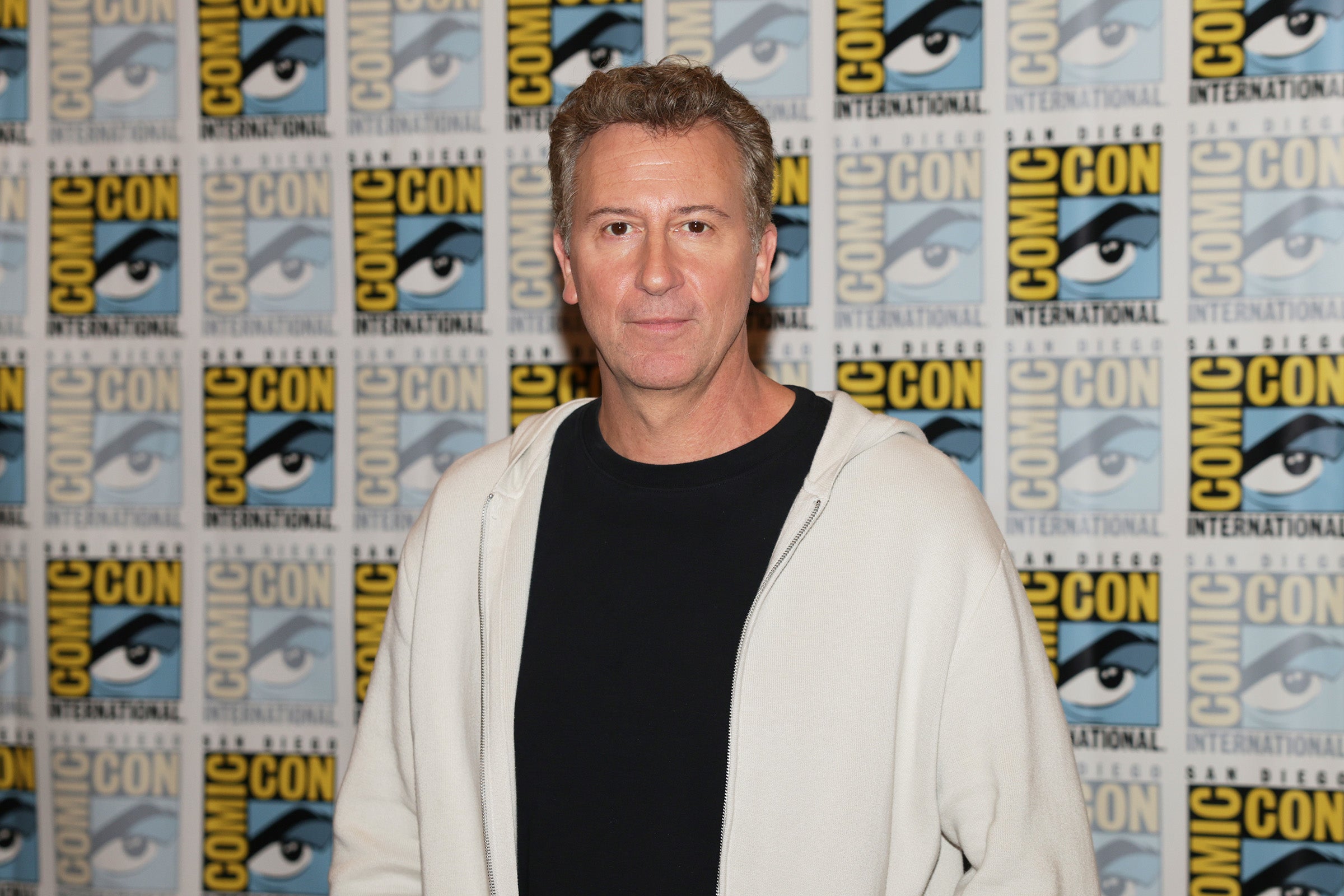
A particularly memorable course on biomedical ethics, taught by Laurence H. Tribe ’66, Carl M. Loeb University Professor Emeritus, stands out in Goldstein’s mind, both for the interesting philosophical and constitutional questions it raised — and because one class featured a very special guest.
“Barbra Streisand stopped by, and I happened to be presenting that day,” he says. “I made Barbra laugh, and I will always remember that. It was a happy day.”
In his free time, Goldstein honed his writing chops, penning a tongue-in-cheek restaurant column for the Harvard Law Record. At the Record, he met a fellow student who wanted to become a television writer, and who was working on a script and searching for an agent. It was Goldstein’s first introduction to the machinations of Hollywood.
After graduation, he went to work for a big New York law firm. But while he liked and respected his colleagues, Goldstein says practicing law never felt like the right fit.
At the same time as he was having doubts about his job, his writer friend from law school began nabbing gigs at television shows. “The term FOMO [fear of missing out] hadn’t been created yet, but I had the most severe case of FOMO you can imagine,” Goldstein says.
When not working, Goldstein filled his time scriptwriting, becoming increasingly convinced that he would need to take a risk — a big one — if he wanted to make a change. Finally, during his second year at the firm, he quit, telling colleagues he was moving to Los Angeles — without a stable job.
“It was a pretty terrifying thing to do, because I was giving up a good salary to basically be unemployed,” he recalls.
Goldstein resolved to give himself the best chance of making it in a notoriously fickle industry. “I approached it in, I think, a lawyerly way, in that each day, I tried to do at least one thing that would advance my goal of getting hired on a show,” he says.
“I was living in a tiny apartment in West Hollywood with roaches, reading scripts for an agency, which was a great introduction to the business,” he adds. “I used the copy machines in the office to make copies of my spec script. I talked to agents. I read Variety and Hollywood Reporter.”
Thankfully, within six months, Goldstein had found a manager and an agent and landed his first television writing job — “a quick but scary transition,” he recalls.
‘Play the audience like a piano’
From the beginning of his television and film career, Goldstein was interested in toying with audience expectations.
“We’ve all seen thousands and thousands of shows and movies, and we all know what to expect,” he says. “I like to find ways to do things that haven’t been done before.”
While writing for “The Geena Davis Show,” Goldstein met Daley, one of the show’s young stars. Realizing they had similar comedic sensibilities, the duo began working together professionally several years later, eventually cowriting the breakout hit “Horrible Bosses” (2011).
Since then, Goldstein and Daley have written, directed — or both written and directed — many films. In “Dungeons & Dragons: Honor Among Thieves,” they mixed high fantasy with comedy, earning praise from critics, moviegoers, and fans of the original tabletop game, who felt the adaptation captured the logic and feel of a role-playing session. With their Spider-Man reboot, the duo sought to bring a different sensibility to the superhero franchise, writing a script that, Goldstein says, “channeled John Hughes, by way of a superhero movie.”

“Hitchcock has this great quote, that film should play the audience like a piano, and I love the idea of manipulating the audience into thinking they know where it’s going, and then turning it on its head,” says Goldstein.
With “Mayday,” Goldstein says the idea was to make what is known in film as a “two-hander” — a movie that features two main characters — in the vein of classic action flicks like “48 Hours” and “Lethal Weapon.” “Mayday” centers on a downed American pilot, played by Reynolds, who finds himself alone and injured in the wilds of Soviet Russia, who is forced to rely on a former KGB agent (Branagh) to help him escape the country.
“Ryan Reynolds is fantastic in it, and I think it’s a little bit different from movies people associate him with,” Goldstein says. “And Branagh has never done anything like this. You might not expect this of a Shakespearean, knighted actor.”
A Cold War story seemed like an apt lens through which to comment on contemporary America and its relationship to the wider world, Goldstein says, “without feeling too on the nose or too polemical.”
Legal skills and Hollywood thrills
While Goldstein chose to pursue a different path, he says his Harvard Law degree still comes in handy, particularly when navigating the business side of Tinseltown.
“I am one of the few people out here who actually looks at their contracts, to the annoyance of my lawyers, and I do think in a much more strategic way about the deal-making than I think a lot of creative people do,” he says. “That kind of thinking is something you carry with you for life.”
Goldstein’s legal instincts may also influence the way he and Daley work together.
“When we are writing lines, we are constantly doing quality control checks. We have to agree that this is the best line we can come up with,” Goldstein says. “It’s the same thing in directing. We will discuss the best way to structure the scene, the best way to block it, where the cameras should be, and how we get across the point in the most efficient way.”
Goldstein remembers his time at law school fondly, even if he decided to change careers. But he encourages law students and lawyers interested in exploring other fields to think deeply about what it is they really want. “You have to be honest with yourself and ask, is this my passion, is this the thing that I want to spend my life doing?”
For many, or even most, law students, that answer is yes, Goldstein acknowledges. “There is great work to be done in the law,” he says. “But for someone like me, it wasn’t right. And the sooner you can get to that place, the better chance you have of making a big switch.”
Goldstein has no regrets about taking that risk, and his career is still delivering the kinds of unexpected turns he likes to put on screen. Next, he and Daley will write, produce, and direct a new “Star Trek” film — a chance for Goldstein to work on a franchise he has loved since he was a kid.
“I know this is not quite a real job. A real job, a hard job, is what I did after graduating from law school,” Goldstein says. “But it just made me appreciate even more what I get to do now.”
Want to stay up to date with Harvard Law Today? Sign up for our weekly newsletter.