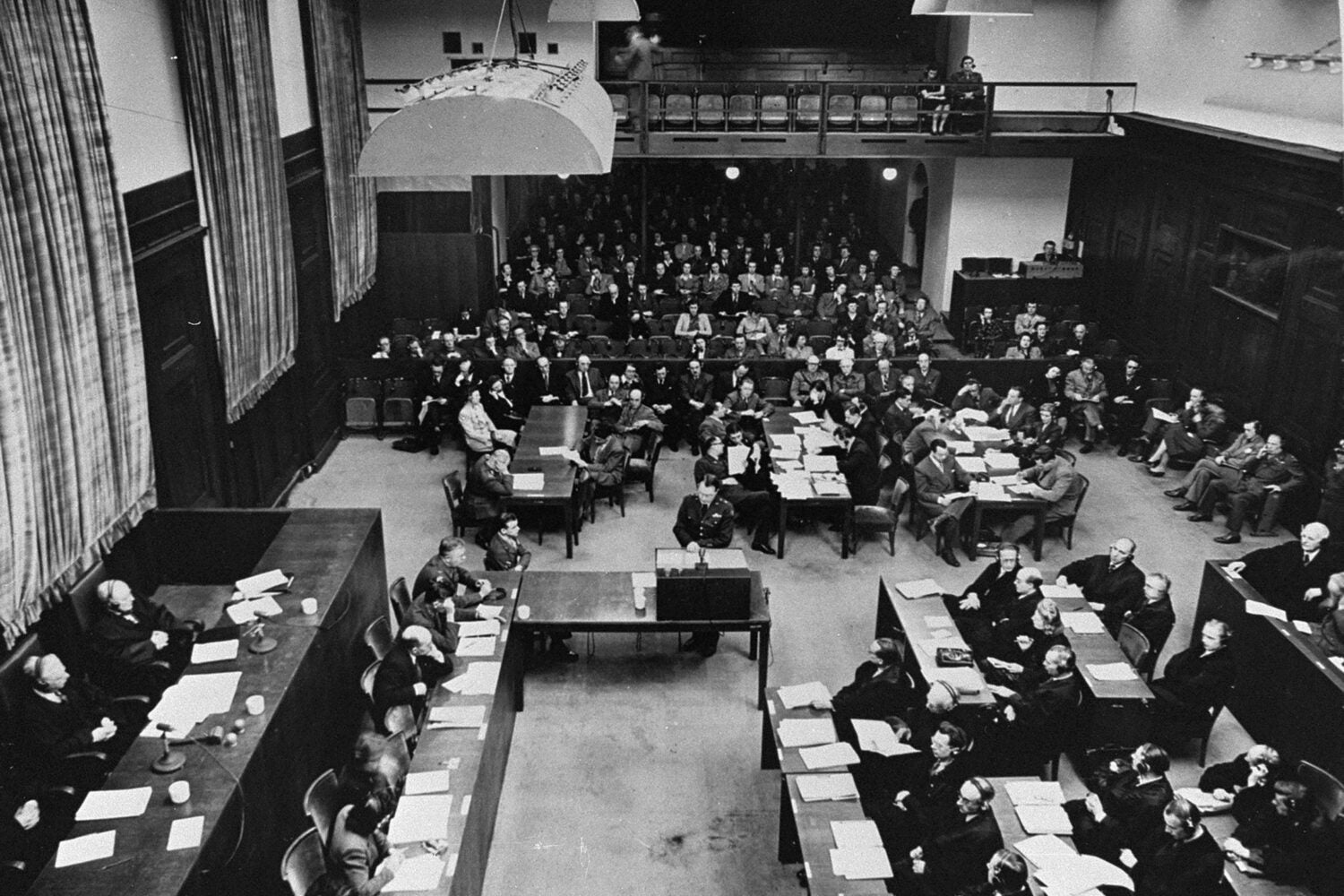
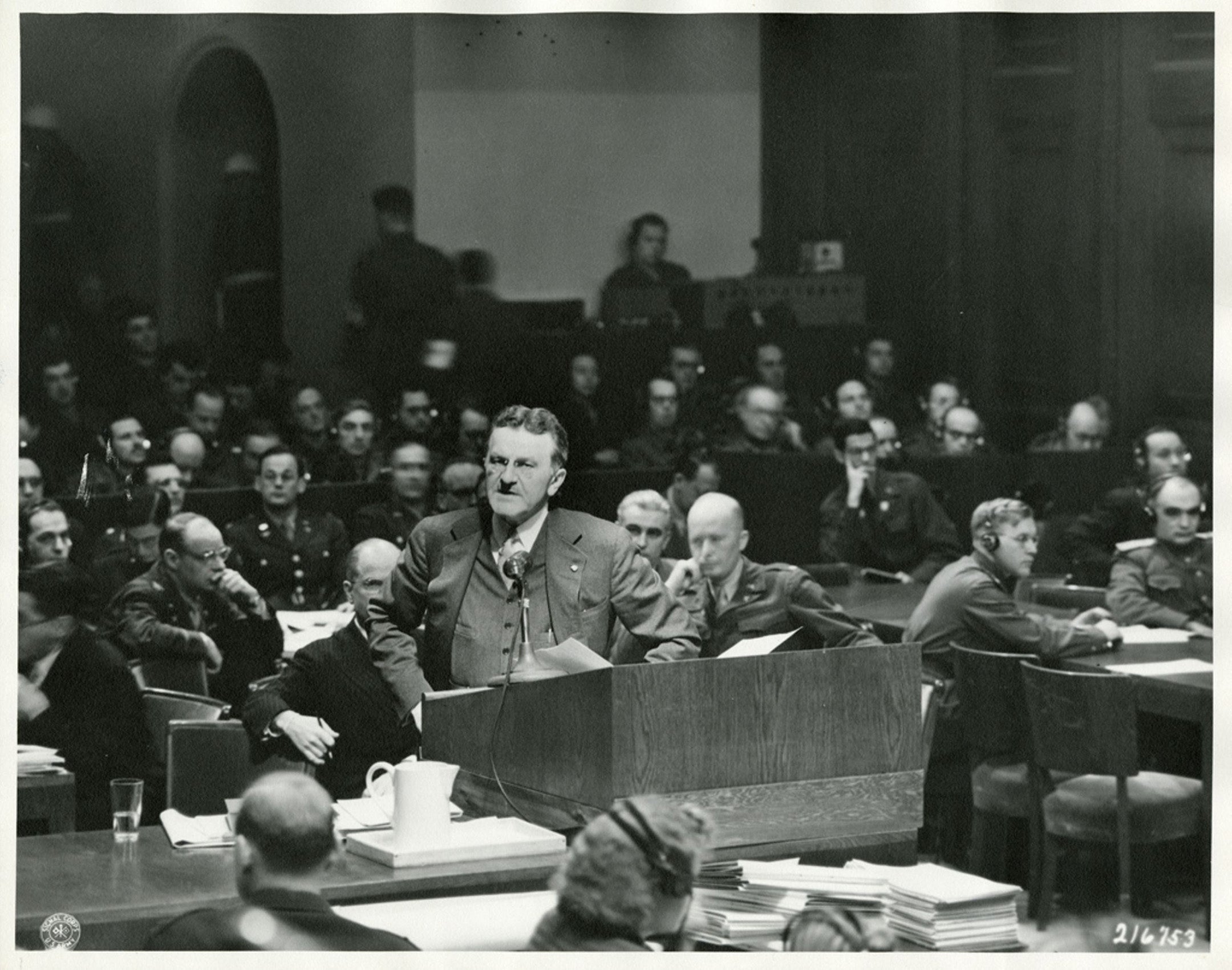
During his opening statement for the prosecution at the first of 13 Nuremberg Trials on Nov. 21, 1945, Robert H. Jackson, United States Supreme Court justice and U.S. chief counsel to the International Military Tribunal, declared one of the trials’ most essential aims: “We must never forget that the record on which we judge these defendants today is the record on which history will judge us tomorrow.” The Nuremberg Trials, considered by many to be the most significant series of criminal trials in history, were established to prosecute those in authority in the Nazi regime for war crimes and crimes against humanity and to create a permanent historical record and precedents for future legal recourse.
Last November, Harvard Law School made the nearly complete set of evidentiary documents and trial transcripts from all 13 Nuremberg Trials publicly available online.
“We must never forget that the record on which we judge
these defendants today is the record on which history will judge us tomorrow.”
–Robert H. Jackson
“The decades-long endeavor to digitize and, for the first time, to make these indispensable records available to the world is a testament to the power of universities to foster the search for truth by preserving and sharing knowledge,” said John C.P. Goldberg, the Morgan and Helen Chu Dean and Professor of Law at Harvard Law School.
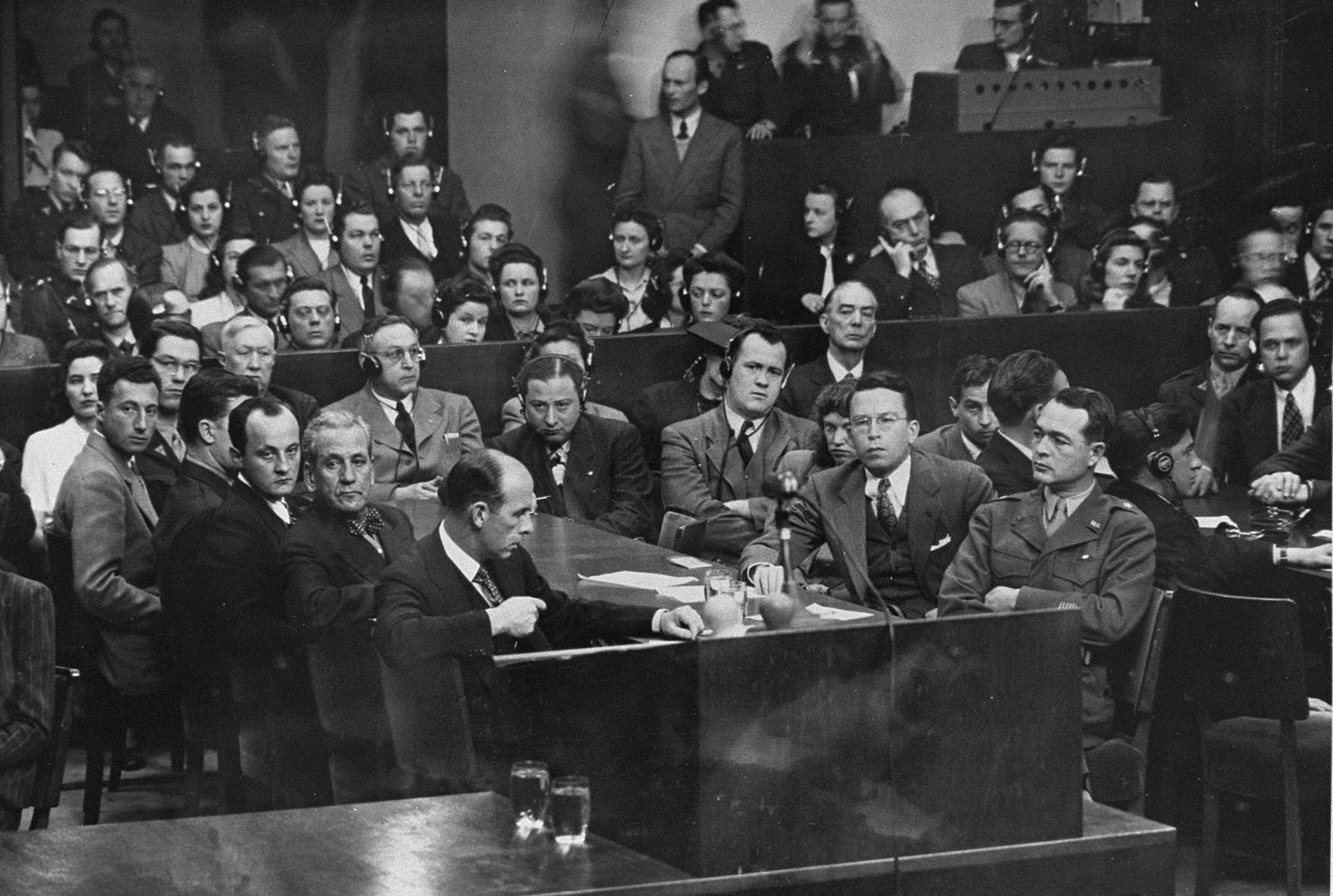
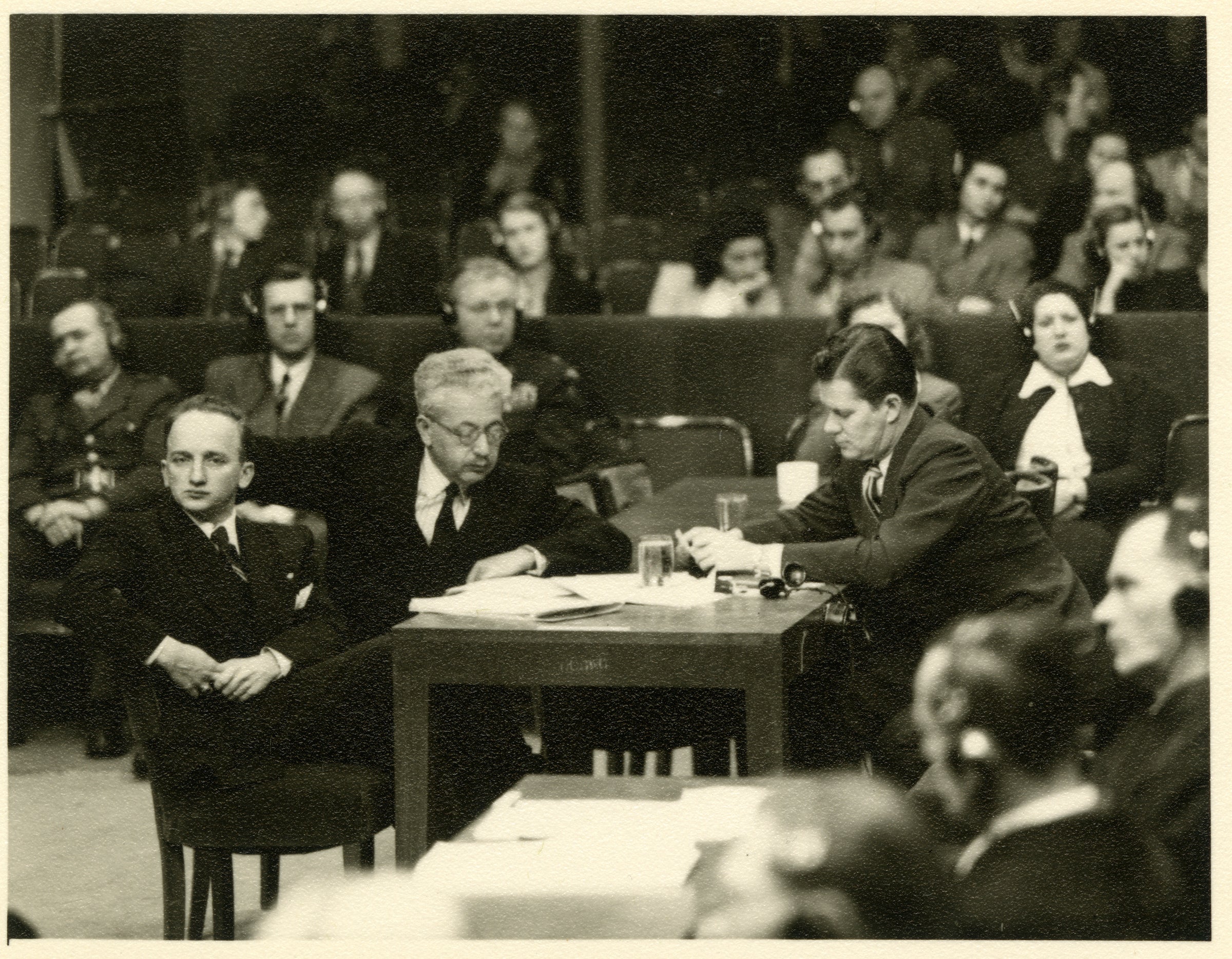
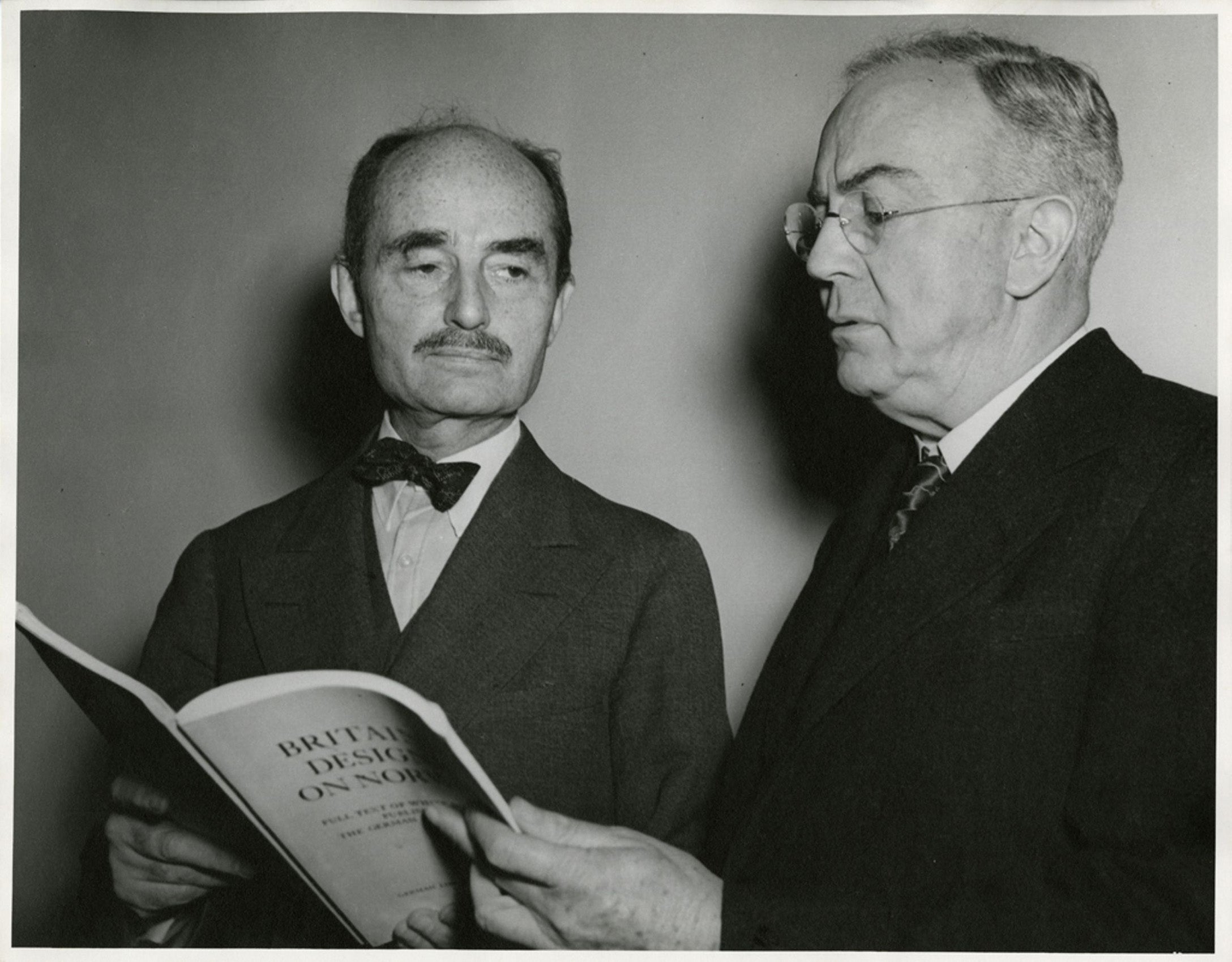
Harvard’s full collection of 140,000 documents comprising more than 700,000 pages is the first complete, keyword-searchable online collection of the Nuremberg Trials records. Designed to make documents discoverable for users, Harvard Law School Library’s Nuremberg Trials Project website includes a wide variety of documents available at the time of the trials, from transcripts to telegrams, and illuminates the politics of the Nazi rise to power, and the financing and economics of totalitarian war.

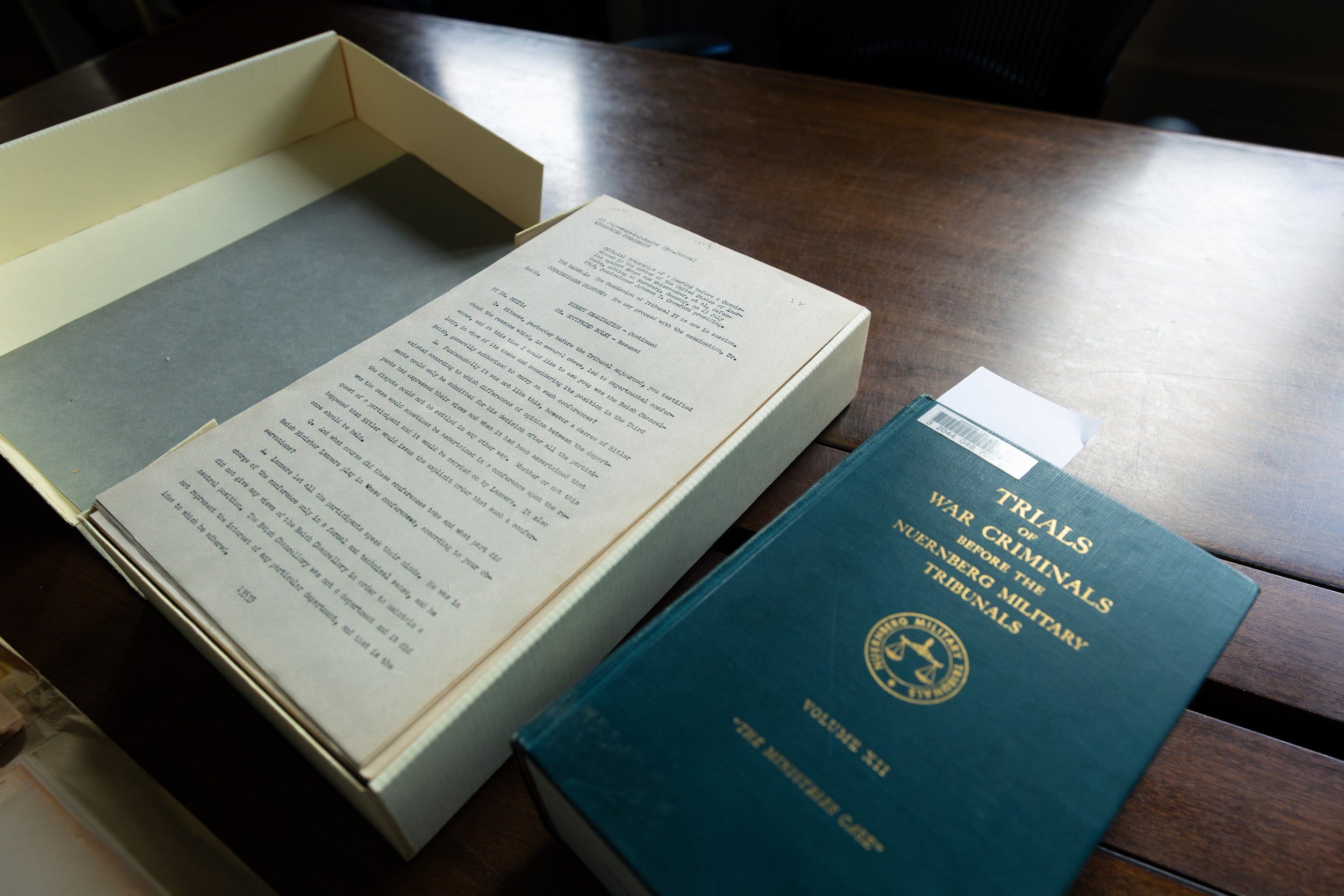
“These voluminous primary materials offer a trove of insights into the day-to-day operations of Nazi Germany and its pursuit of war and reprisal,” said Harvard Law School Professor Jonathan Zittrain ’95, vice dean for library and information resources. Amanda Watson, assistant dean for library and information services, emphasized that the provision of open public access to the collection will ensure the preservation of historically accurate source data about Nazi Germany and potentially help close historical gaps.
“We believe when we make justice visible, we make it possible. —Amanda Watson
“This collection stands as an answer to one of history’s most critical questions: How can law rise to meet moments of international crisis?” Watson said. “Today, we ensure that answer is not locked away but available to all. We believe when we make justice visible, we make it possible.”