Jett Watson ’26 hadn’t always envisioned himself working in a public interest career, although his background as a former officer in the United States Navy might suggest otherwise.
After leaving the armed forces, Watson took a job in cybersecurity, where he became increasingly interested in the law and law school. He hadn’t considered applying to Harvard Law School until a mentor suggested he “dream bigger.”
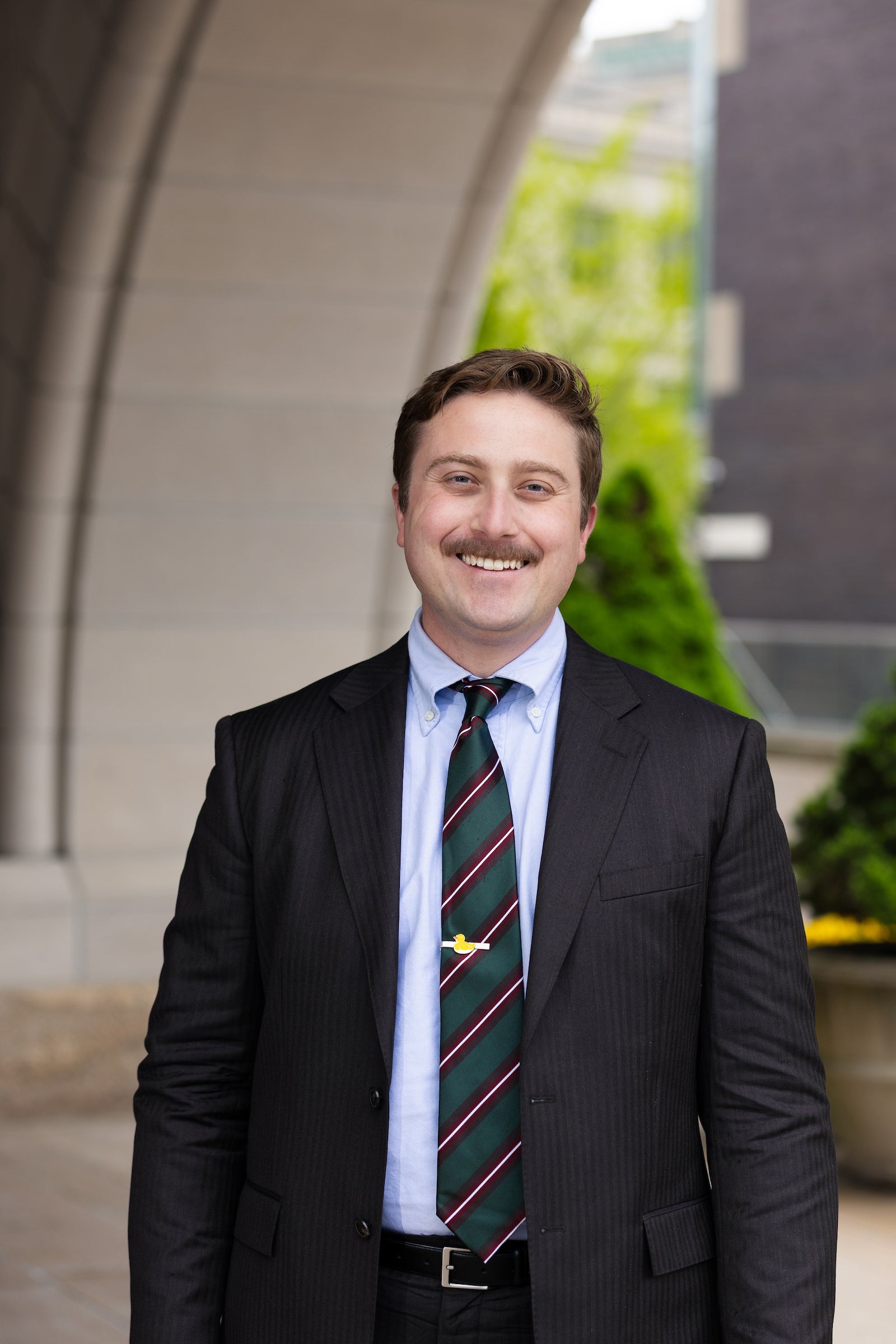
Three years – and several meaningful semesters working with Harvard’s Veterans Law and Disability Benefits Clinic – later, Watson is now certain he wants to dedicate his legal career to advocating for America’s former service members.
“I really fell in love with the work I was doing,” he said. “It changed my trajectory.”
Watson is one of 14 Harvard Law School students honored with prestigious Skadden or Equal Justice Works fellowships in 2026. Skadden and EJW awards support burgeoning careers in the public interest. Harvard Law students receive guidance and support from the Bernard Koteen Office of Public Interest Advising in securing them.
“We are incredibly proud of Jett, Mirella, and all of our Skadden and Equal Justice Works fellows,” said Catherine Pattanayak ’04, assistant dean for public service at the Office of Public Interest Advising. “They are using these opportunities to tackle important issues in communities across the country, and we feel privileged to help them take these initial steps in their public interest careers.”
Today, as one of six Harvard Law students to receive a Skadden fellowship this year – Watson is preparing for a two-year placement at Legal Aid Chicago. His goal, he said, is to help expand legal services and benefits for Illinois veterans, particularly in underserved suburban and rural areas of the state.
“I want a broader and deeper understanding of direct client services work. I want to try and get a look at some of the systemic problems that are underlying these veterans’ benefits issues. And I also really hope we can establish and prove this project as a worthy investment for Legal Aid Chicago,” he said.
Watson is particularly grateful for assistance from Harvard Law’s Office of Public Interest Advising throughout the complicated application process, which includes seeking a position with a public interest organization and working jointly with that sponsor to apply for fellowship funding. The office, which helps both students and alumni secure opportunities to work in the public interest, also connects students to other sources of financial support, such as Harvard’s own Public Service Venture Fund.
“[Associate Director] Judy Murciano is a force of nature – she’s such an invaluable resource for students interested in fellowships,” he said. “She’s hugely supportive, especially leading up to the time of submitting the applications, and then before interviews, she was available 24/7 for questions or to bounce ideas off of.”
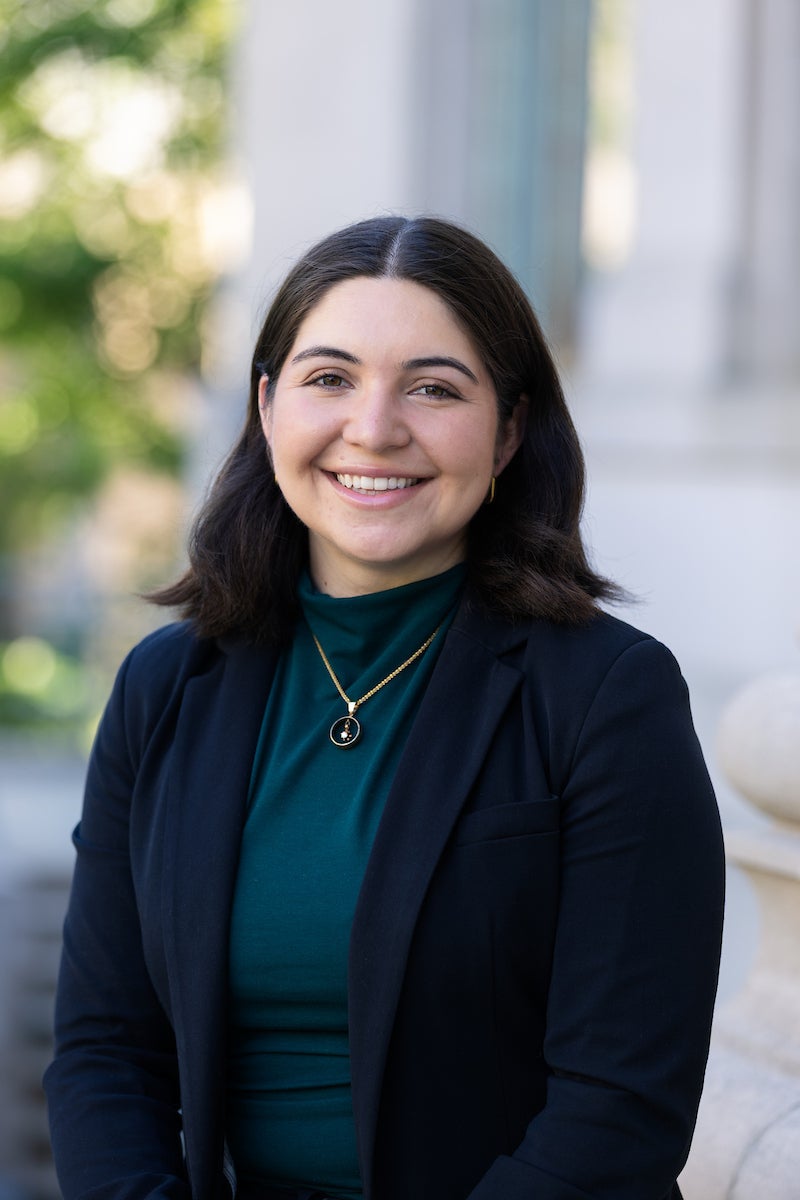
Unlike Watson, Mirella Baker ’26 has long known she wanted to work in the public interest, particularly within the criminal legal system. She chose Harvard Law, she says, because of the school’s extensive options for hands-on learning. As a student, she represented clients through Harvard Defenders and the Harvard Prison Legal Assistance Project and worked on impact litigation at the Institute to End Mass Incarceration.
“If you want to do a fellowship, you’re able to do a fellowship. The money is not going to stop you,” she said. “That’s a truly unique thing about Harvard” – Mirella Baker ’26
As she approached graduation, Baker mulled the two paths she could take in her career: direct client services versus large-scale advocacy work. Pursuing a fellowship, she reasoned, presented a chance to gain more experience in strategic lawyering – legal practice aimed at facilitating broader change.
She applied for and was accepted to a position with the MacArthur Justice Center, where she will work with the Chicago Public Defender’s office on a project centered on data privacy, particularly as it relates to police and surveillance. She’ll also work with other legal organizations and nonprofits in the city, including Lucy Parsons Lab and the National Immigrant Justice Center.
“I’m excited to see what it’s like to build litigation from the ground up,” she said.
Baker, who plans to one day open her own law office, potentially in her native South Texas, hopes that her two years in Illinois will lay the foundation for her public interest career.
“The fellowship process gives students a really unique opportunity to be able to do some of the important work you don’t usually get to do until later in your career.”
Baker says she was thrilled and excited to learn that she had been awarded an Equal Justice Works fellowship for her work at MacArthur Justice Center. But it was also a relief, she adds, to know that Harvard would have stepped in to help even if she hadn’t – Harvard Law’s Public Service Venture Fund awards more than a million dollars per year to support students pursuing public interest careers.
“If you want to do a fellowship, you’re able to do a fellowship. The money is not going to stop you,” she said. “That’s a truly unique thing about Harvard.”
2026 Harvard Law School Skadden Fellows
Wesley Streicher ’26 (ACLU Criminal Law Reform Project)
Jessenia Class ’25 (Rights Behind Bars)
Elliott DeRiso ’25 (ACLU of Southern California)
Siddharth Jejurikar ’25 (ACLU Immigrant Rights Project)
Lucas Rodriguez ’24 (ACLU Voting Rights Project)
Jett Watson ’26 (Legal Aid Chicago)
2026 Harvard Law School Equal Justice Works Fellows
Sarah Berton ’25 (Education Law Center in Pennsylvania)
Katherine Fleming ’24 (ACLU Reproductive Freedom Project)
Caroline Arnold ’26 (Neighborhood Legal Services in Los Angeles)
Mirella Baker ’26 (MacArthur Justice Center)
Will Cassou ’26 (Inner City Law Center)
Ben Guzman ’26 (Make the Road NJ)
Patrick Healy ’26 (Legal Aid North Carolina)
Jenny Pigge ’26 (Greater Boston Legal Services)